
 By
Kelley Kelly
By
Kelley Kelly
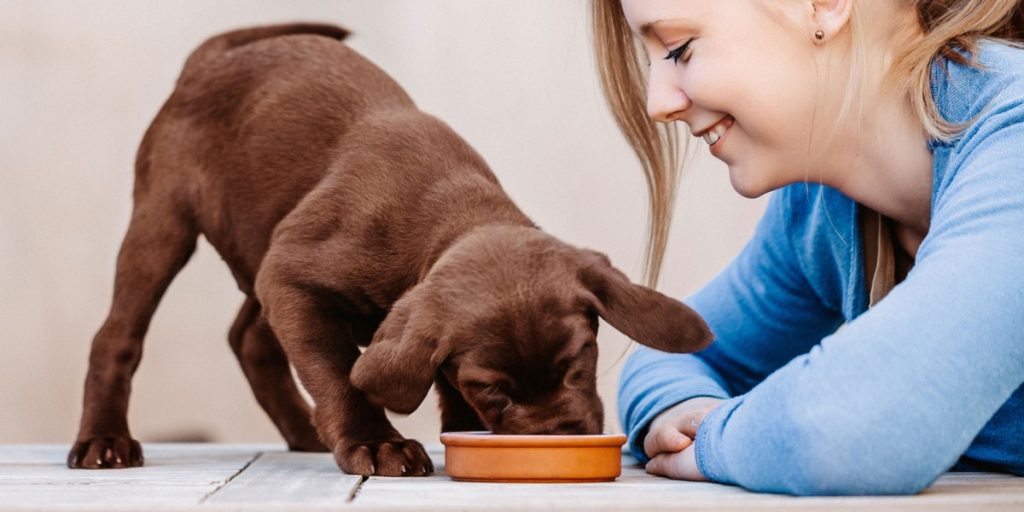
Switching a pet’s diet may seem as simple as replacing what’s in their bowl, but in reality, it requires a thoughtful and gradual process. I’ve learned through experience that rushing this change can cause stomach upset, loss of appetite, and even behavioral changes. When I think about how to transition to a new pet food safely, I know it’s not just about the food itself, it’s about the way the change is introduced.
Why a Gradual Change Matters
The digestive systems of dogs and cats adapt to the type of food they regularly eat. When a new food is introduced too quickly, their stomach and intestinal bacteria don’t have time to adjust, which can lead to loose stools, vomiting, or flat-out refusal to eat. I’ve made this mistake before, and my pets’ reactions were enough to convince me that slow is always better.
Assessing the Reason for the Change
Before I even think about switching, I ask myself why the change is necessary. It might be due to a vet’s recommendation, allergies, age-related needs, or simply finding a higher-quality option. Knowing the reason helps me stay committed to the process and choose a food that aligns with my pet’s health goals.
Selecting the Right New Food
I always research potential options before making the switch. I look for clear labeling, high-quality proteins, and minimal artificial additives. For dogs, I make sure the formula supports their energy level and activity needs. For cats, I ensure it’s rich in animal protein since that’s essential to their well-being. Once I’ve made my choice, the real work begins, figuring out how to transition to a new pet food safely without upsetting their system.
The Seven-to-Ten-Day Transition Method
I usually follow a seven-to-ten-day schedule when changing my pets’ food. The first two days are just a small portion, about 25% of the new food mixed with 75% of the old. Then I move to a 50/50 blend for the next two to three days. By day six or seven, I increase to 75% new food and 25% old. Finally, I switch fully to the new food by the end of the transition period. This slow introduction gives their body time to adapt and minimizes digestive upset.
Watching for Signs of Trouble
Even with a slow transition, I keep a close eye on my pets. If I notice vomiting, diarrhea, or refusal to eat, I pause the transition and go back to the previous stage. Sometimes, this means the change takes longer than ten days, but that’s better than forcing their system into shock.
Adding Digestive Support
I’ve found that including digestive aids like probiotics can make the process smoother. These support healthy gut bacteria and help pets adjust more easily. I’ve used plain pumpkin purée for dogs and a bit of probiotic powder for cats during transitions, and both seemed to handle the change with fewer issues.
Dealing With Picky Eaters
Some pets are stubborn about accepting new food. When this happens, I use techniques like warming the food slightly to release aromas or mixing in a small amount of their favorite treat. With persistence, even the most particular pets can adjust, though patience is key.
Avoiding Unnecessary Changes
Over the years, I’ve realized that frequent diet changes aren’t good for pets unless absolutely necessary. Sticking with one quality food for as long as possible is usually best for digestive stability. When a change is needed, I treat it as a planned, careful process rather than a spur-of-the-moment decision.
Transitioning Between Wet and Dry Food
Switching between wet and dry food adds another layer of complexity. I blend the two gradually, increasing or decreasing moisture levels so my pets adapt without rejecting the food. This is especially important for cats, who may be sensitive to changes in texture and smell.
Special Considerations for Puppies and Kittens
Young pets have more delicate digestive systems, so how to transition to a new pet food safely is even more important at this stage. I take an extra few days during the process, and I always make sure the new formula is specifically designed for their life stage to support growth and development.
Switching for Health Reasons
When a vet recommends a change due to allergies, kidney issues, or other health concerns, I follow their guidance closely. In these cases, it’s not just about preference, it’s about supporting recovery and long-term wellness. I still transition gradually, unless the vet instructs otherwise for medical reasons.
Managing Multi-Pet Households
When I have more than one pet on different diets, I feed them separately to avoid confusion or food stealing. This makes it easier to track each pet’s progress and ensures no one is sneaking extra portions of the wrong food.
Monitoring Weight and Energy Levels
During a transition, I keep track of my pets’ weight and activity. A sudden drop or gain in weight, or noticeable changes in behavior, could signal that the new food isn’t working for them. Sometimes, even with a careful process, the chosen food simply isn’t the right fit.
The Role of Fresh Water
Water is essential during any diet change, especially if the moisture content in the new food is different. I make sure my pets always have access to clean, fresh water, and for my cats, I use a fountain to encourage more drinking.
Avoiding Human Food as a Shortcut
It can be tempting to mix in table scraps to encourage a pet to try new food, but I avoid it. Human foods can unbalance their diet and cause them to hold out for tastier, less healthy options. Instead, I focus on making the pet food itself appealing through gradual blending and freshness.
Patience Pays Off
The most important part of how to transition to a new pet food safely is patience. Rushing the process often leads to setbacks, which end up taking more time in the long run. By giving my pets the time they need to adapt, I set them up for long-term digestive health and enjoyment of their new diet.
Adjusting After the Switch
Once the transition is complete, I still monitor my pets for the next few weeks. Sometimes, issues take time to show up, especially with allergies or intolerances. If I notice any negative changes, I consult my vet and consider adjusting the diet again, always following the same slow approach.
Making the Process Positive
I try to make meal times enjoyable during a transition. I use gentle praise, a calm feeding environment, and sometimes a favorite bowl to keep the experience positive. This helps my pets associate the new food with something pleasant rather than stressful.
Final Thoughts
Switching a pet’s diet is more than a quick swap, it’s a process that requires planning, patience, and observation. By focusing on how to transition to a new pet food safely, I’ve avoided the common problems that come with abrupt changes and have helped my pets move onto healthier diets with ease. Every step, from choosing the right food to monitoring their response, contributes to their well-being. In the end, a slow, steady approach leads to a happier pet and a healthier life.