
 By
Kelley Kelly
By
Kelley Kelly

The arrival of a kitten is a transformative moment that brings a unique blend of high-energy play and quiet, purring companionship into a household. Unlike puppies, who often wear their hearts on their sleeves, kittens navigate the world with a mixture of bold curiosity and innate feline caution. To ensure that your new companion moves from a state of wary exploration to one of confident belonging, you must approach the introductory phase with a structured plan that respects their specific biological and emotional needs. This second pillar article in our series will guide you through the intricate process of welcoming a kitten, focusing on how a well-established routine creates a “Routine to Thrive” environment that supports their development from the very first day. We will explore the physical preparations, the psychological nuances of feline territory, and the daily habits that foster a long-term bond of trust and health.
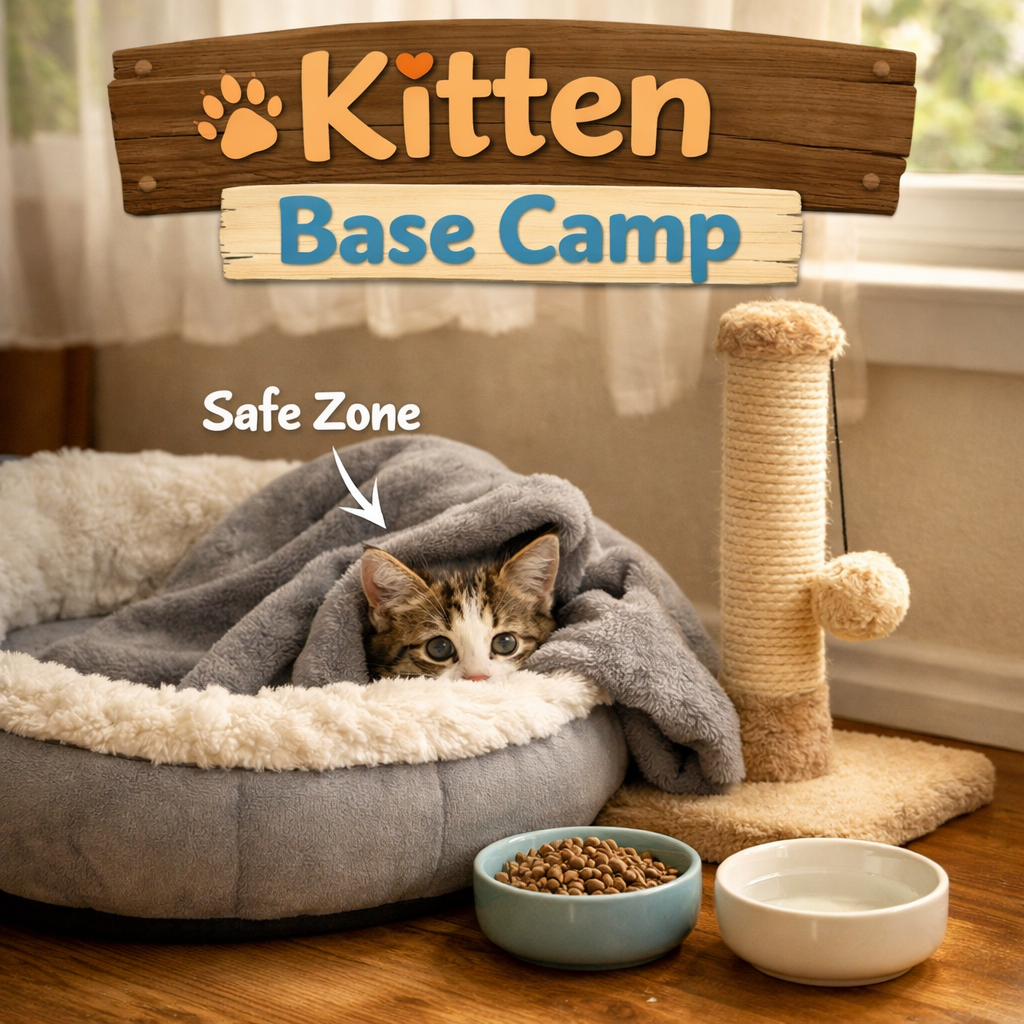
Preparation begins long before the kitten actually crosses the threshold of your front door. The cornerstone of a successful transition is the creation of a dedicated safe zone or “base camp” where the kitten can begin their journey in a controlled, manageable space. This area, ideally a spare bedroom or a quiet laundry room, should be fully equipped with every essential item they will need. By limiting their initial world to a single room, you prevent the kitten from becoming overwhelmed by the vast, unfamiliar scents and sounds of a full house. Inside this room, you should place a high-quality scratching post, as scratching is a fundamental feline behavior used for marking territory and maintaining claw health. You will also need comfortable bedding placed in a draft-free corner, as well as a variety of age-appropriate toys that encourage safe, independent play.
This Article contains affiliate links. If you purchase through these links, My Pets Routine may earn a commission at no additional cost to you. We only recommend gear we trust and have carefully researched.

Stainless Steel Cat Litter Box for Kittens, Metal Kitty Litter Box with Scoop, Anti-Leakage Top Entry, Non-Sticky, Easy to Clean, Grey, M (1 Pack) Check out Current Price and Availability at Amazon.
The choice of supplies is not merely a matter of aesthetics but a critical component of feline comfort and hygiene. When selecting a litter box for a small kitten, look for one with low sides that allow their short legs to enter and exit without struggle. The type of litter you choose is equally important, as kittens have sensitive paws; many experts recommend unscented, clumping clay or natural pine pellets to avoid respiratory irritation. Furthermore, you must provide separate stations for food and water. In the wild, felines rarely eat where they drink to avoid contamination, so placing the water bowl a few feet away from the food dish can actually encourage better hydration. Stainless steel or ceramic materials are the gold standard here, as they do not harbor the bacteria that can cause feline acne, a common skin condition associated with plastic bowls.
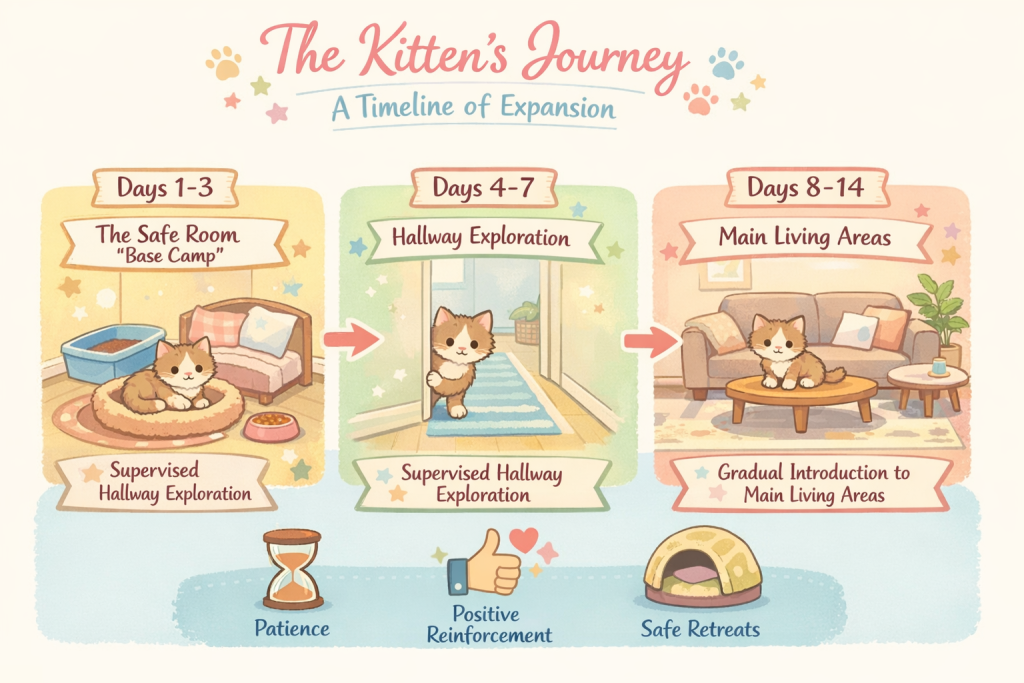
Introducing the kitten to their new environment should be a process governed by the kitten’s own pace rather than human expectations. When you first arrive home, place the carrier in the center of the safe room and simply open the door. Do not reach in to pull the kitten out; instead, sit quietly on the floor nearby and speak in low, soothing tones. This allows the kitten to emerge when they feel brave enough, immediately establishing that they have agency in their new home. Once they begin to explore, you can slowly introduce them to the rest of the house, one room at a time, always ensuring they have a clear path back to their safe zone. This “territory expanding” phase can take anywhere from a few days to a couple of weeks, depending on the individual kitten’s temperament and previous socialization history.
Nutrition is perhaps the most vital pillar of a kitten’s daily routine, as they require significantly more calories and specific nutrients than adult cats to support their rapid bone and muscle growth. You must provide a diet specifically labeled for kittens, which contains essential amino acids like taurine for heart and eye health, as well as DHA for brain development. A combination of high-quality wet food and dry kibble is often recommended. Wet food provides necessary hydration, which is crucial since cats naturally have a low thirst drive, while dry kibble can be used in puzzle feeders to provide mental stimulation. A typical feeding schedule for a young kitten involves three to four small meals a day. By sticking to a strict schedule, you not only regulate their digestion but also reinforce your role as the provider, strengthening the bond between you.
Treats should be used strategically as tools for socialization and positive association rather than just extra calories. When you are handling your kitten—checking their ears, touching their paws, or brushing their fur—offering a tiny, flavorful treat can help them associate these necessary grooming tasks with a positive outcome. Choose treats that are soft and highly palatable, ensuring they make up no more than ten percent of the kitten’s total daily caloric intake. This measured approach to rewarding prevents obesity while encouraging the kitten to remain still and calm during veterinary visits or home health checks. As they grow, you can transition to using treats as rewards for learning basic commands or for successfully using a new scratching post instead of the furniture.
Kitten Feeding Guidelines by Age and Weight
| Age | Typical Weight Range | Recommended Daily Calories / Frequency |
| 8 Weeks | 1.5 – 2.2 lbs | 200 – 250 kcal / 4 small meals per day |
| 4 Months | 4.0 – 5.5 lbs | 300 – 400 kcal / 3 meals per day |
| 6 Months | 6.0 – 8.0 lbs | 350 – 450 kcal / 2 – 3 meals per day |
| 8–12 Months | 8.0 – 12.0 lbs+ | 250 – 350 kcal / 2 meals per day (Transitioning to adult) |
Bathroom habits and litter box training are usually more intuitive for kittens than for puppies, yet they still require careful management to avoid lifelong “out-of-box” issues. The golden rule for feline households is to have one more litter box than you have cats, and these boxes should be kept in quiet, low-traffic areas where the kitten feels safe and unobserved. Cleaning the litter box is a daily necessity; scooping at least twice a day and performing a full scrub with mild soap once a month ensures that the kitten continues to find the area appealing. If a kitten has an accident, it is often a sign that the box is too far away, the litter type is uncomfortable, or they are experiencing stress. Never punish a kitten for an accident, as this will only create a fear of the owner and potentially lead to more hidden bathroom issues.
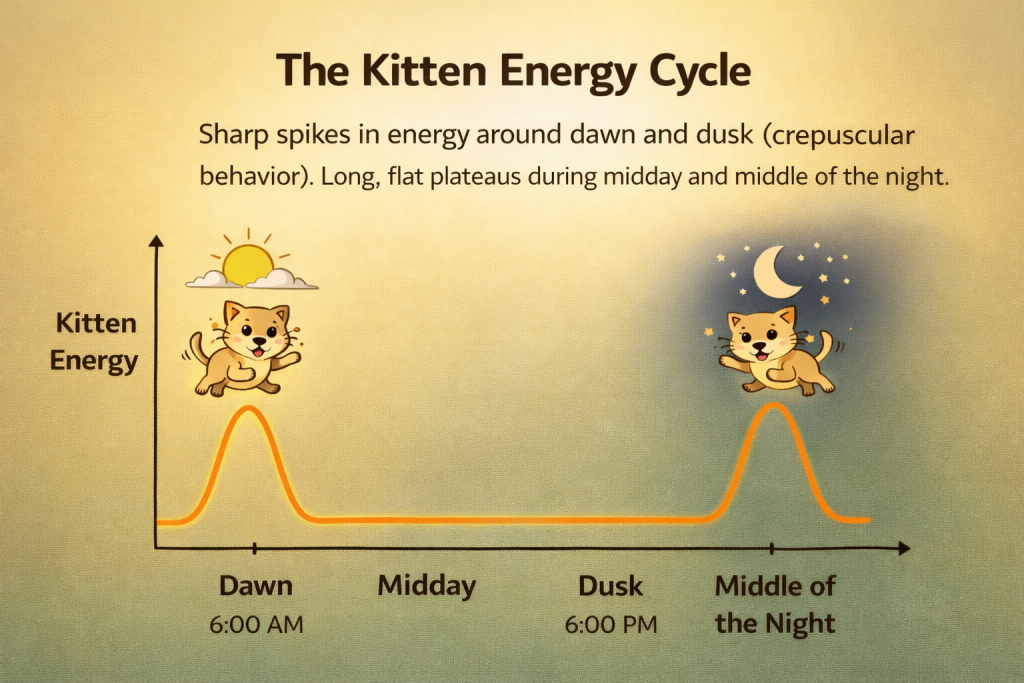
Play and rest are the two states of being that define a kitten’s day, and balancing them is essential for a well-adjusted pet. Kittens are natural predators, and their play should mimic the “hunt, catch, kill, eat” cycle. You can facilitate this by using wand toys that move like birds or mice, allowing the kitten to stalk and pounce before ending the session with a small meal or treat. This outlets their energy in a productive way and prevents them from directing their hunting instincts toward your hands or ankles. Following a vigorous play session, a kitten will almost inevitably crash into a deep sleep. It is vital that everyone in the household, especially children, understands that a sleeping kitten should never be disturbed. These long periods of rest are when the growth hormones are most active and when the kitten processes the lessons learned during their waking hours.
As the kitten becomes more comfortable, you can begin the process of long-term socialization and habituation. This involves exposing them to various household sounds like the vacuum cleaner or the dishwasher at a low volume and rewarding their calm behavior. It also includes introducing them to a variety of people, ensuring each interaction is gentle and positive. Routine grooming, such as weekly brushing and occasional nail trimming, should also be part of the weekly schedule. By making these activities part of the “Routine to Thrive,” you ensure that the kitten views them as normal parts of life rather than terrifying events. This proactive approach to care reduces stress for both the pet and the owner, leading to a more harmonious household.
The journey of raising a kitten is one of constant discovery and evolving routines. By providing a safe environment, appropriate nutrition, consistent bathroom management, and structured play, you are giving your new pet the best possible start in life. The first few months are a foundational period where every interaction shapes the adult cat they will become. While it requires patience and a commitment to detail, the reward of a confident, healthy, and affectionate cat is immeasurable. As you follow this guide and integrate these practices into your daily life at mypetsroutine.com, you will find that the bond you share with your kitten grows stronger with every purr and every successful day of their new routine.

MyPetsRoutine.com participates in the Amazon Services LLC Associates Program, an affiliate advertising program designed to provide a means for sites to earn advertising fees by advertising and linking to Amazon.com.