 By
Kelley Kelly
By
Kelley Kelly
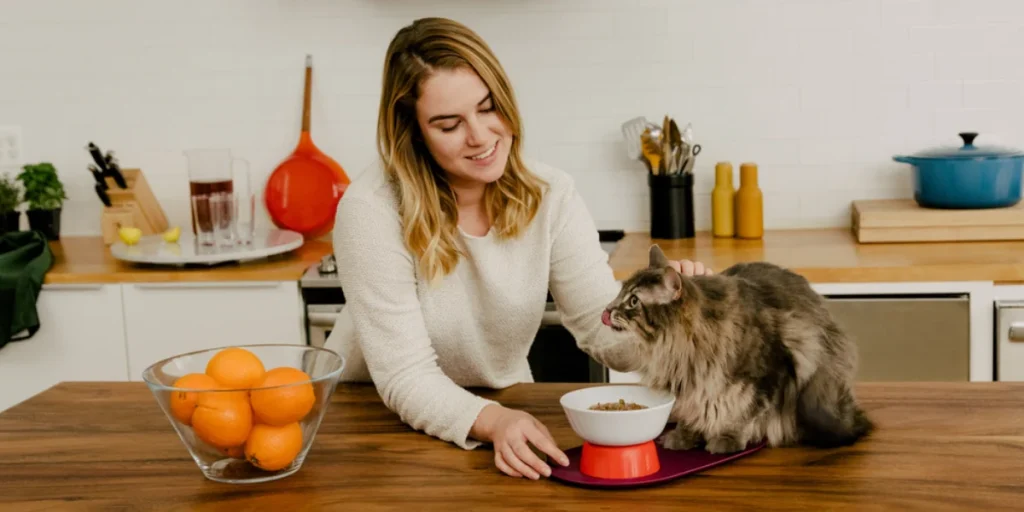
Treats are one of the simplest ways I connect with my pets. They’re a form of communication, a bonding moment, and a tool for training. But treats can also cause health problems if given without thought or structure. Over the years, I’ve realized that having a consistent approach is key to making sure my pets enjoy rewards without developing bad habits or unhealthy weight gain. When I think about what “routine treating” should look like, I picture a balance between pleasure, nutrition, and discipline.
Treats With a Purpose
For me, treats aren’t just about spoiling my pets, they serve a purpose. I use them for training, reinforcing positive behavior, or helping them feel comfortable in new situations. Treats are more effective when they’re part of a plan rather than random handouts. I’ve learned that my pets respond better when they know treats are tied to actions, and it keeps them motivated without becoming demanding.
Timing Makes a Difference
I give treats at specific moments during the day. Sometimes it’s after a walk, when my dog calmly returns home. Other times it’s during a quiet training session, rewarding focus and obedience. For my cat, treats often come after grooming, turning an activity she doesn’t love into a more pleasant experience. This consistency in timing is a big part of what “routine treating” should look like, it’s predictable, structured, and meaningful to the pet.
Portion Control Is Essential
It’s easy to overdo treats without realizing it. I’ve been guilty of slipping my pets an extra bite here and there, but over time I saw it affect their weight and energy levels. Now, I measure treats just like I measure meals. I factor them into their daily caloric intake so that I’m not overfeeding. Smaller treats or breaking larger ones into pieces works well, and my pets are just as happy with a small bite as they are with a large one.
Selecting Healthier Options
Not all treats are created equal. Some are loaded with fillers, artificial flavors, and unnecessary sugars. I look for treats with limited, recognizable ingredients. Freeze-dried meats, crunchy biscuits made with whole foods, and soft chews with added nutrients are staples in my home. When I choose healthier treats, I feel better about giving them regularly because they add something positive to my pets’ diets.
Variety Keeps It Interesting
Just like people, pets can get bored with the same thing over and over. I rotate treat types and flavors so they stay exciting. Sometimes my dog gets a crunchy biscuit, and other times a chewy salmon snack. For my cat, a mix of freeze-dried chicken and small crunchy treats keeps her engaged. This variety is part of what “routine treating” should look like, it keeps the routine from feeling stale without overcomplicating it.
Training Opportunities
Treats are one of the most effective training tools I’ve ever used. Whether I’m working on basic commands like “sit” and “stay,” or more complex tricks, a treat given at the right moment reinforces the behavior. I use high-value treats for training, ones that my pets don’t get at any other time. This way, the reward is special and motivates them to focus.
Avoiding Overreliance
One mistake I made early on was using treats for every small request, which led my pets to expect food constantly. Now, I mix in praise, petting, or playtime as alternative rewards. Treats are still part of the routine, but they’re not the only form of encouragement. This balance helps prevent unhealthy dependence while keeping treats exciting.
Watching for Allergies and Sensitivities
Some pets react badly to certain ingredients, so I always monitor for signs like itching, digestive upset, or changes in behavior after introducing a new treat. If I notice any issues, I remove that treat from their diet immediately. Part of what “routine treating” should look like is paying attention to how your pet reacts, not just assuming they’ll be fine with anything.
Making Homemade Treats
I enjoy making treats at home because I know exactly what goes into them. Simple recipes with peanut butter, oats, pumpkin, or chicken are easy to prepare and let me control portion size. I can also tailor recipes to suit my pets’ dietary needs. The act of making treats adds another layer of connection for me, it’s like cooking for family.
Special Occasion Treating
While routine is important, I also allow for special occasions. Birthdays, adoption anniversaries, or completing a difficult training milestone deserve a little extra celebration. I might give a larger or more indulgent treat on those days. This keeps the routine flexible while still grounded in healthy habits.
Incorporating Treats Into Daily Life
Treats don’t always have to come from my hand. Sometimes I hide them in puzzle toys or scatter them in the yard for my dog to sniff out. For my cat, I place treats inside a treat-dispensing ball she has to bat around to get the reward. This turns treat time into mental and physical exercise, making it even more valuable.
Preventing Begging
One of the main reasons I structure treat time is to avoid begging. If I handed out treats whenever my pets gave me big, hopeful eyes, they’d be eating nonstop. By sticking to a schedule, they learn that treats aren’t something to demand, they’re something to earn. This is healthier for them and less frustrating for me.
Working With Multiple Pets
In a multi-pet household, treat distribution can get tricky. I make sure each pet gets their fair share without competition or stress. Sometimes this means separating them during treat time so they can enjoy their rewards peacefully. Structured treating in a multi-pet home prevents fights and ensures everyone feels included.
Treats as Part of Overall Health
For me, treats aren’t separate from my pets’ health plan, they’re part of it. I think about their age, weight, activity level, and health conditions before deciding how much and how often to give them. My vet has even recommended certain treats for dental health, which makes treat time serve multiple purposes.
Reading Labels Carefully
When I buy commercial treats, I read the labels just like I would for my own food. I check for high-quality proteins, limited ingredients, and no artificial colors or flavors. I avoid anything with excessive fillers like corn or soy. Knowing exactly what I’m giving my pets makes the routine feel more intentional and responsible.
Adjusting the Routine Over Time
What works for my pets now might not work a year from now. As they age or their health changes, I adjust the type, size, and frequency of treats. This flexibility ensures that treat time always supports their overall well-being rather than working against it.
Avoiding Treats During Certain Times
If my pet is sick, has an upset stomach, or is on a special diet, I sometimes skip treats altogether. It’s not always easy, especially when they look at me expectantly, but I know it’s in their best interest. Skipping treats temporarily is better than causing further health issues.
Making Treat Time Positive
I make treat time calm and pleasant. I avoid giving treats when my pets are overly excited or anxious because I want them to associate the reward with good behavior, not chaos. By keeping the environment relaxed, treat time becomes something they look forward to without getting worked up.
Final Thoughts
Over the years, I’ve learned that treats are most beneficial when they’re given with intention. For me, what “routine treating” should look like is a thoughtful balance of timing, quality, portion control, and purpose. It’s a way to bond, reward, and support my pets’ health all at once. By keeping treat time structured and mindful, I can enjoy spoiling my pets without compromising their well-being.