
 By
Kelley Kelly
By
Kelley Kelly
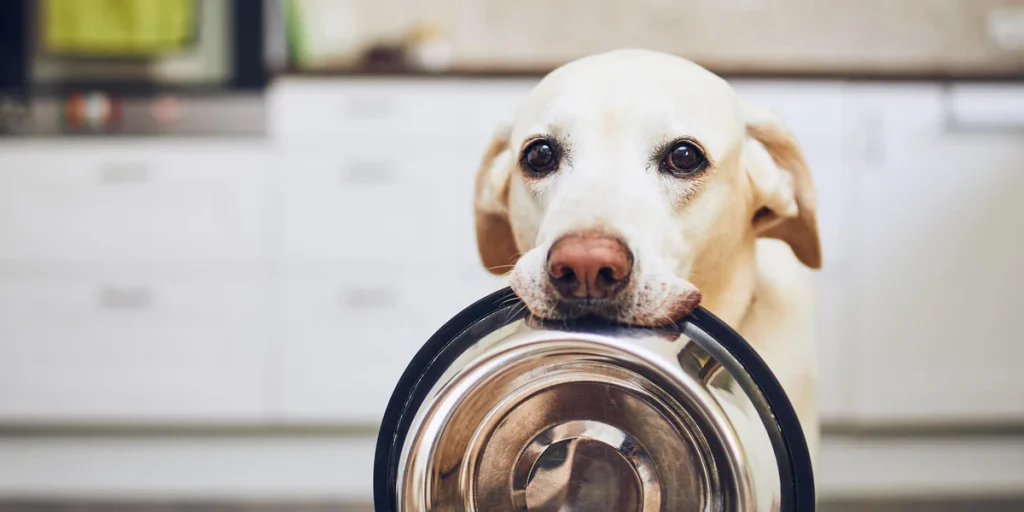
Feeding pets can seem simple on the surface, but the more I’ve lived with animals, the more I’ve realized that the type of food I choose plays a big role in their health, habits, and overall happiness. Deciding between wet vs. dry food isn’t just about personal preference, it’s about creating a feeding plan that fits my pets’ needs and my daily routine. I’ve experimented with both types, made adjustments, and learned what works best for different situations.
Why Food Type Matters in Daily Care
The type of food I give my pets affects everything from their hydration to their dental health. It impacts their energy, digestion, and even how excited they are at mealtime. I’ve found that wet vs. dry food each offers unique benefits, and understanding those benefits helps me make smarter choices. Instead of sticking to one style out of habit, I’ve made feeding decisions based on health needs, convenience, and my pets’ preferences.
Benefits of Wet Food
One of the biggest advantages of wet food is its high moisture content. This makes it especially valuable for pets who don’t naturally drink enough water. My cat, for example, rarely spends time at her water bowl, but she stays well hydrated when wet food is part of her daily meals. Wet food also tends to have a stronger aroma and flavor, which can be appealing to picky eaters or pets recovering from illness.
Another thing I’ve noticed is that wet food is softer and easier for older pets or those with dental issues to eat. When my dog had a dental procedure, wet food was the only option for a few weeks, and it made his recovery much smoother.
Benefits of Dry Food
Dry food is undeniably convenient. It’s easy to store, measure, and serve, which helps me stay consistent with feeding times. It also tends to be more affordable, especially when feeding larger pets. I’ve also found that dry food can contribute to better dental health since the crunch helps reduce plaque buildup, though I still combine it with regular dental care.
Dry food works well for free-feeding in multi-pet homes, where leaving food out all day might be necessary. It doesn’t spoil quickly and creates less mess compared to wet food.
Mixing Wet and Dry Food
Over time, I’ve discovered that I don’t have to commit to just one type. Mixing wet and dry food gives my pets the hydration benefits of wet food and the convenience and texture benefits of dry food. For my dog, I might add a spoonful of wet food to his dry kibble for flavor and variety. For my cat, I sometimes alternate meals, wet food in the morning and dry food at night.
Mixing also allows me to stretch my budget while still giving my pets the benefits of both types. I’ve noticed they seem more excited about meals when there’s variety in the texture and flavor.
Factors That Influence My Choice
When deciding between wet vs. dry food, I look at several factors:
- Age: Puppies, kittens, and seniors often benefit from wet food because it’s easier to chew and digest.
- Health: Pets with kidney problems or urinary issues often need the extra hydration from wet food.
- Lifestyle: My schedule affects how often I can serve fresh food. Dry food is better when I’m away for long hours.
- Budget: Dry food is more cost-effective for long-term feeding, while wet food can be used selectively for health or variety.
Feeding Schedule and Consistency
No matter which type I choose, consistency is essential. Pets thrive when meals are given at the same time each day. If I switch between wet and dry food, I keep the feeding schedule steady so they know when to expect meals. This helps with digestion and prevents overeating.
Storage and Handling
Wet food needs to be refrigerated after opening and served within a short time to stay fresh. This means I can’t leave it out all day, especially in warm weather. Dry food is simpler to store, but I still keep it in an airtight container to maintain freshness and prevent pests. Handling both types correctly keeps my pets safe from spoiled food and potential illness.
Transitioning Between Food Types
Switching from one type of food to another needs to be gradual. I’ve learned that sudden changes can cause digestive upset. I usually start by replacing a small portion of their regular food with the new type, then increase it over the course of a week. This slow transition allows their digestive system to adapt without discomfort.
Special Situations Where One Works Better
There are times when one type clearly outperforms the other. Wet food works better when a pet is recovering from surgery, dealing with dehydration, or needs to gain weight. Dry food works better during travel, for pets prone to dental tartar, or when I need a low-maintenance feeding option.
How My Pets React to Each Type
My dog tends to be less picky and will eat either wet or dry food without complaint, but he clearly enjoys the smell and taste of wet food more. My cat, however, has strong opinions, she prefers wet food in the morning and will only eat dry food later in the day. Paying attention to their reactions helps me design a feeding plan that works for both of us.
Cost Considerations
Feeding solely wet food can get expensive, especially for large dogs. I’ve balanced my budget by using wet food strategically, either as a topper for dry food or as an occasional treat. This way, I don’t compromise on quality or variety while keeping costs under control.
Nutritional Quality Over Type
I’ve come to realize that whether I choose wet or dry food, the real key is nutritional quality. I check labels for real meat as the first ingredient, avoid excessive fillers, and look for foods that meet AAFCO nutritional standards. The best choice is the one that provides complete and balanced nutrition for my pets’ life stage and health needs.
Dental Care Beyond Food
While dry food can help reduce plaque, it’s not a substitute for dental care. I still brush my pets’ teeth, offer dental chews, and schedule professional cleanings when necessary. Wet food doesn’t directly harm teeth, but without proper care, it can lead to buildup over time.
Hydration and Health
Hydration is a major reason I keep wet food in my pets’ routine. Cats in particular are prone to urinary issues when they don’t get enough water. By serving wet food regularly, I can help prevent these problems and support kidney health. Dogs benefit too, especially in hot weather or after exercise.
Avoiding Overfeeding
It’s easy to give too much when switching between wet and dry food. Wet food is usually more calorie-dense per gram, so I measure portions carefully to avoid weight gain. I also adjust treats and snacks to account for calories from their main meals.
Long-Term Sustainability
I think about the long term when deciding on food types. A feeding plan should be sustainable for both my lifestyle and my pets’ health. I’ve found that a mixed approach, wet for hydration and enjoyment, dry for convenience, has been the easiest to maintain over the years.
The Role of Routine in Mealtime
Pets feel secure when mealtimes are predictable. Even if I alternate between wet vs. dry food, I serve meals at consistent times. This creates a sense of stability and makes transitions between food types smoother.
Final Thoughts
When I think about wet vs. dry food, I don’t see one as being universally better than the other. Each has strengths, and the best choice depends on my pets’ needs, my schedule, and my budget. By staying flexible, mixing types when necessary, and focusing on nutrition, I’ve created a routine that keeps my pets healthy and happy. In the end, the right choice is the one that works for both me and my pets, meeting their nutritional needs while fitting seamlessly into our daily life.