 By
Kelley Kelly
By
Kelley Kelly
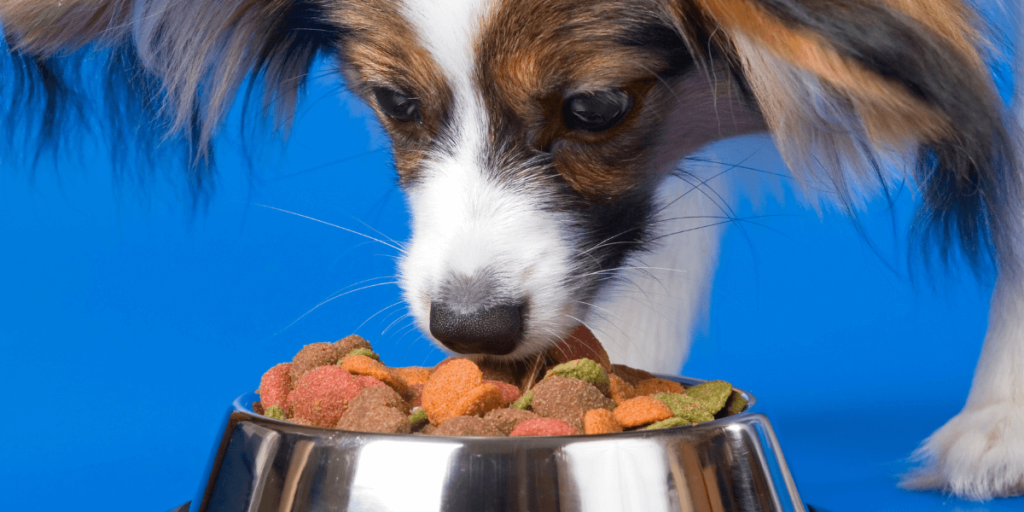
Mealtime with pets can quickly turn from a calm daily routine into a full-blown clean-up operation. Whether it’s water splashed across the floor, kibble scattered into every corner, or wet food smeared outside the bowl, I’ve dealt with my fair share of feeding chaos. Over time, I’ve learned that keeping mealtime mess-free with smart setups isn’t just about cleanliness, it’s about creating an environment where my pets can eat comfortably and safely while making my life easier.
Choosing the Right Feeding Station Location
The location of a feeding area plays a huge role in controlling mess. I place my pets’ bowls in a low-traffic corner of the house where there’s less chance of people walking through during mealtime. Having the space away from busy areas keeps spills contained and helps my pets focus on eating. I also make sure the floor surface is easy to wipe down, tile, laminate, or vinyl work best for me.
Using Non-Slip Mats
One of the simplest yet most effective tools I’ve added is a non-slip mat under the feeding bowls. These mats not only prevent bowls from sliding around but also catch crumbs and drips before they hit the floor. I prefer silicone mats because they’re waterproof and easy to rinse in the sink. They’re also durable enough to withstand claws and chewing attempts from curious pets.
Elevated Bowls for Cleaner Eating
Elevated bowls have been a game-changer for my home. By raising the food and water dishes, my pets eat at a more comfortable height, which reduces neck strain and minimizes the amount of food that gets pushed out of the bowl. For my dog, the elevation also prevents excessive bending, making mealtime more relaxed and less messy.
Slow Feed Bowls for Overenthusiastic Eaters
Some pets eat so quickly that food flies everywhere. I solved this problem for my dog by using a slow-feed bowl with ridges and patterns that force him to eat more slowly. This not only keeps the area cleaner but also improves digestion by preventing gulping. I’ve noticed less coughing, gagging, and definitely fewer messes to clean.
Spill-Proof Water Bowls
Water spills were a constant issue in my house until I switched to spill-proof bowls. These designs limit the amount of water that sloshes out when my pets drink or bump into the dish. For my cat, a fountain-style water bowl has been perfect, it keeps the water fresh and encourages her to drink without splashing it around.
Dedicated Feeding Area Boundaries
Creating a clear feeding zone has helped my pets understand exactly where meals happen. I use a washable rug or a designated mat area for both food and water bowls. This boundary not only contains mess but also makes clean-up easier because any spills stay within the space.
Easy-to-Clean Bowls and Stands
I learned quickly that the type of bowl matters when it comes to mess control. Stainless steel and ceramic bowls are my go-to because they’re easy to wash, don’t hold odors, and resist scratches. Plastic bowls can develop tiny grooves over time where bacteria can hide, so I avoid those. I also look for bowl stands that can be wiped down quickly after use.
Managing Multiple Pets at Mealtime
Feeding more than one pet can add a layer of complexity to keeping things tidy. I feed my pets in separate areas to prevent food stealing, which often leads to chasing and spills. Using individual mats for each pet also ensures any mess stays contained to their personal eating space.
Storing Food and Treats Nearby
To keep the feeding routine efficient, I store food and treats close to the feeding area. Having airtight containers for kibble and sealed bins for treats helps me portion meals without walking around the house and risking spills. It also means I can quickly clean up any crumbs or dust from the containers themselves.
Daily Clean-Up Routine
Even the smartest setups still require regular maintenance. I make it a habit to wipe down the bowls and mats after every meal and deep clean them at least once a week. This not only keeps the feeding area clean but also prevents lingering smells and bacteria from building up.
Training Pets to Eat Neatly
Training plays a bigger role in keeping mealtime mess-free with smart setups than many people realize. I taught my dog to stay until I give the cue to eat, which reduces the frantic rush that used to send food flying. For my cat, I encourage her to stay near the center of the bowl by using shallower dishes that match her whisker comfort.
Seasonal Adjustments
The weather can influence how messy mealtime becomes. In summer, I notice more water splashes because my dog drinks more, so I switch to a bowl with a floating lid that reduces spill. In winter, I make sure mats are fully waterproof since wet paws from outside can turn spilled kibble into a sticky mess.
Feeding on a Schedule
Having a set feeding schedule helps keep the space cleaner because I can monitor exactly when and how my pets eat. Leaving food out all day used to result in scattered kibble and dust accumulating around the bowls. Now, with scheduled meals, they finish their portions, and I can clean up right after.
Using the Right Bowl Size
The size of the bowl matters more than I expected. Too small, and food spills over the sides; too large, and my pets push food around chasing small portions. I match the bowl size to their meal quantity to minimize movement and spillage.
Travel-Friendly Feeding Setups
When I travel with my pets, I still focus on keeping mealtime mess-free with smart setups. I pack collapsible silicone bowls, a portable mat, and a small container for food storage. This makes it easy to feed them in hotels, parks, or friends’ homes without leaving a mess behind.
Dealing with Wet Food Challenges
Wet food is notoriously messier than dry kibble, especially for pets who like to lick the bowl’s edges. I use slightly deeper dishes to prevent splatter and always place them on an easy-to-clean mat. If I’m feeding raw food, I prepare it on a separate washable tray to catch any drips before it reaches the floor.
Incorporating Feeding Into Enrichment
Sometimes, mess happens because pets are bored and play with their food. I use puzzle feeders and treat-dispensing toys to engage their minds while they eat. These keep the food contained while turning mealtime into a mentally stimulating activity.
Preventing Ants and Other Pests
A messy feeding area can attract pests. To avoid this, I make sure bowls are lifted and cleaned soon after meals, and I wipe the floor regularly. For extra protection, I use feeding mats with raised edges that prevent crumbs from rolling away into hidden spots.
Why I’ll Keep Using Smart Setups
The difference in my home since I started focusing on keeping mealtime mess-free with smart setups is remarkable. My floors stay cleaner, my pets eat more comfortably, and I spend far less time scrubbing the area after every meal. It’s a system that works for me, and it keeps both my pets and my home in better condition.