
 By
Kelley Kelly
By
Kelley Kelly
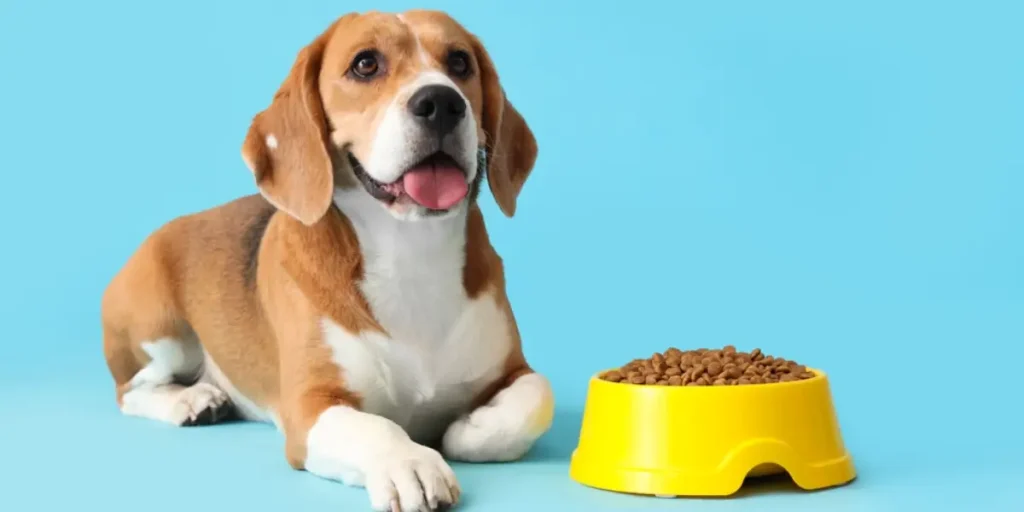
Making sure pets get the right amount of water each day is one of the most important parts of their overall health. I’ve found that tracking hydration habits not only helps prevent health problems but also keeps energy levels steady and digestion running smoothly. Water plays a role in almost every bodily function, so even a slight imbalance can lead to issues over time.
Why Water Matters So Much for Pets
Water supports temperature regulation, aids digestion, cushions joints, and helps transport nutrients throughout the body. Without enough water, pets can quickly become dehydrated, which affects their organ function and can even become life-threatening. I’ve noticed that when my pets are properly hydrated, they seem more alert, more playful, and generally more comfortable throughout the day.
How to Estimate Water Needs
A common guideline I use is that pets need about one ounce of water per pound of body weight per day. That means a 10-pound cat would need roughly 10 ounces, while a 50-pound dog would need around 50 ounces. However, this is just a baseline. I always take into account their activity level, diet, and the weather when estimating actual needs.
Diet’s Role in Water Intake
I’ve seen firsthand how diet changes hydration habits. Pets eating dry food will generally drink more water to compensate for the lack of moisture, while those on wet or raw diets may naturally drink less because their food already contains more water. I pay attention to the type of food my pets eat and adjust their water availability accordingly.
Signs of Dehydration
Recognizing dehydration early can make a huge difference. Some signs I watch for include dry gums, sunken eyes, lethargy, and loss of skin elasticity. If I gently pinch the skin between my pet’s shoulder blades and it doesn’t spring back right away, that’s a clear warning sign they need fluids immediately.
Encouraging Reluctant Drinkers
Not all pets are eager water drinkers, so I’ve had to find creative ways to encourage better hydration. Adding water or low-sodium broth to food, using pet water fountains, and placing multiple bowls around the house have all worked well for me. I’ve also noticed that changing the water more frequently makes a big difference because pets seem to prefer fresh water.
Weather and Seasonal Changes
In hot weather, I increase my pets’ water availability and monitor them more closely. Even in winter, when they might not feel as thirsty, indoor heating can cause dehydration. I make it a habit to keep bowls topped up year-round and to check for ice in outdoor water sources during cold months.
Hydration for Active Pets
When I take my dog hiking or for long walks, I always bring a portable water bottle and collapsible bowl. Active pets lose water more quickly through panting and need regular breaks to drink. I’ve learned that offering small, frequent sips is better than letting them gulp large amounts at once, which can sometimes lead to stomach upset.
Multiple Pet Households
In homes with more than one pet, I’ve found that having several water sources prevents competition and ensures everyone gets enough. I place bowls in different areas of the house so that shy or submissive pets can drink without being interrupted. This also helps me notice if one pet is drinking more or less than usual, which can signal health issues.
Special Needs and Medical Conditions
Some pets require extra attention to their hydration habits because of age or medical conditions. Senior pets may have reduced thirst signals, and those with kidney disease or diabetes often need more water than average. In these cases, I monitor intake closely and sometimes measure exactly how much water they’re drinking each day.
Travel and Hydration
Travel can disrupt a pet’s normal drinking routine, so I always plan ahead. Bringing water from home helps avoid sudden changes in taste that might make them reluctant to drink. I also offer water during car rides and make sure they have easy access during rest stops.
Maintaining Clean Water
One thing I’ve learned is that pets are far more likely to drink when their water is clean and fresh. I wash bowls daily with mild soap, rinse thoroughly, and refill with cool water. For my cat, a water fountain keeps the flow moving, which not only encourages her to drink but also keeps the water cleaner for longer.
The Role of Hydration in Digestion
Proper hydration aids in breaking down food, absorbing nutrients, and moving waste through the digestive system. When my pets are dehydrated, I’ve noticed changes in their stool consistency and frequency. Ensuring they drink enough water has helped avoid constipation and other digestive issues.
Recognizing Overhydration
While rare, overhydration can happen, especially if a pet drinks excessively due to a medical issue. Signs include vomiting, bloating, and pale gums. If I notice sudden and excessive drinking, I consult my vet right away to rule out any underlying health concerns.
Hydration During Illness
When my pets are sick, keeping them hydrated becomes a top priority. Illness can quickly lead to fluid loss through vomiting, diarrhea, or fever. In those cases, I use oral rehydration solutions recommended by my vet and sometimes offer ice cubes for them to lick, which encourages small amounts of fluid intake.
Water Quality Considerations
The quality of the water matters just as much as the quantity. I use filtered water for my pets because I’ve found they drink more when the taste is fresh and free from strong odors. Some pets are sensitive to chlorine or minerals in tap water, so paying attention to their preferences has made a noticeable difference.
Tracking Water Intake
I occasionally track exactly how much my pets are drinking by measuring the amount I put in the bowl and what’s left after 24 hours. This has helped me notice patterns, and in some cases, it has given me early warnings of health issues like kidney problems before other symptoms appeared.
Hydration and Exercise Recovery
After play sessions or walks, I offer my pets a chance to drink, but I let them rest a bit before giving them larger amounts. This helps prevent stomach upset and ensures the water is absorbed efficiently. I’ve also used electrolyte supplements recommended by my vet for very active days.
Why I Focus on Hydration Every Day
Over time, I’ve realized that monitoring hydration habits is just as important as providing nutritious food and regular exercise. Water impacts energy, digestion, joint health, and even mood. By making hydration a priority, I’ve been able to support my pets’ long-term health and prevent many avoidable issues.
Final Thoughts on Water Needs
Making sure pets have constant access to fresh, clean water and monitoring how much they drink is one of the simplest yet most effective ways to keep them healthy. Small changes in hydration habits can signal big changes in health, so I stay alert to patterns and always make adjustments based on season, activity, and age.