
 By
Kelley Kelly
By
Kelley Kelly
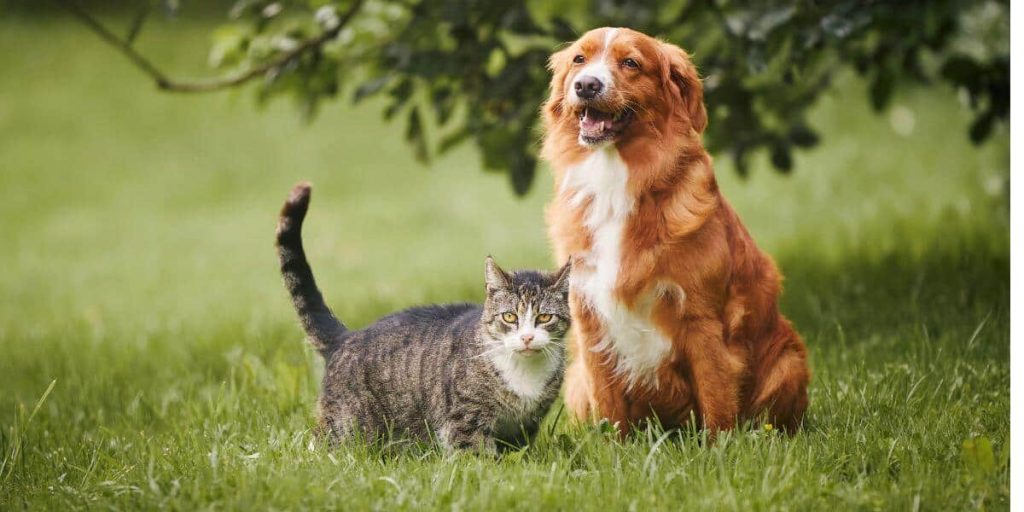
Indoor cats may live safer, longer lives, but their environment can sometimes lack the stimulation they need to stay physically fit and mentally sharp. I’ve found that daily games are one of the most effective ways to keep my cat engaged, prevent boredom, and reduce unwanted behaviors. By making playtime part of a consistent routine, I can give my cat a sense of purpose and excitement every single day.
Why Routine Play Matters for Indoor Cats
Cats are natural hunters, and without opportunities to stalk, chase, and pounce, they can become restless or lethargic. A predictable play schedule taps into their instincts in a healthy way. I’ve seen my cat’s mood and activity level improve dramatically when playtime happens at the same times each day. Predictability helps her anticipate fun, and she often waits near the play area when she knows it’s about to start.
The Link Between Play and Behavior
Before I committed to daily play, my cat would meow excessively, scratch furniture, and occasionally knock things off shelves. Once I began keeping indoor cats active with routine games, those behaviors started to fade. Regular play channels her energy into something productive, leaving her more relaxed afterward. It’s not just about exercise, it’s about giving her a positive outlet that satisfies her needs.
Morning Games to Start the Day
I like to begin our day with a short but energetic game session. This sets a positive tone and gives my cat an early energy release, which makes her calmer when I’m working or busy. Feather wands are my go-to in the morning because they encourage her to leap, run, and focus. A 10-minute session is usually enough to get her heart rate up and her mind engaged.
Midday Mental Stimulation
When I’m home during the day, I make time for quieter games that stimulate her brain more than her body. Treat puzzles, “find the toy” challenges, or even hiding kibble around the living room keeps her alert. These activities mimic the problem-solving she’d do in the wild when hunting. If I’m out, I leave interactive toys so she can entertain herself while I’m gone.
Evening Play for Energy Release
Cats often have bursts of energy in the evening. I take advantage of this by setting aside 20 minutes for a more vigorous game session before bedtime. Laser pointers, fast-moving wand toys, and small chase balls are perfect for this time of day. When she’s had a good run, she tends to sleep through the night without waking me up for attention.
Rotating Toys to Keep Things Fresh
One thing I’ve learned is that cats can get bored if they see the same toy every day. I keep a small selection out and rotate the rest every week. This makes old toys feel new again. I also store some toys with catnip so that when they return to the play rotation, they have an extra burst of appeal.
Games That Tap Into Hunting Instincts
Many of our play sessions revolve around the basic hunt sequence: stalk, chase, pounce, and capture. Wand toys that imitate birds or mice, small plush toys that can be “hunted,” and even crumpled paper balls fit this pattern. When I let my cat “win” by catching the toy, she walks away satisfied rather than frustrated.
The Role of Food-Based Play
Combining feeding with games has been one of my most successful strategies. I use treat-dispensing balls, slow feeders, and puzzle trays to make her work for her food. This not only slows down her eating but also gives her an engaging challenge. It’s a simple way of keeping indoor cats active with routine games while still meeting her daily nutritional needs.
Self-Play Options for When I’m Busy
I can’t always be available to play, so I’ve invested in toys that move or react on their own. Battery-powered mice, motion-activated balls, and track toys give my cat something to chase even when I’m occupied. While nothing replaces interactive play with me, these options keep her stimulated during the day.
Incorporating Vertical Play
Cats love to climb and observe from high places. I’ve added cat trees, shelves, and window perches to our home so she can jump and explore vertically. Sometimes I’ll toss toys onto higher platforms or hide treats up there to encourage climbing. This turns simple furniture into part of our daily games.
Encouraging Short Play Bursts Throughout the Day
Cats often prefer several short play sessions rather than one long one. I aim for three or four bursts of 5–15 minutes each. This better matches her natural hunting rhythm and keeps her from getting tired or bored too quickly. Over the course of the day, this adds up to significant activity without overwhelming her.
Using Play to Strengthen Our Bond
When I’m actively part of my cat’s games, our relationship benefits just as much as her health. I talk to her, praise her, and move in ways that keep her engaged. She’s learned to trust that I’ll provide these moments daily, and now she initiates play by bringing me her favorite toy. This bond is one of the biggest rewards of keeping indoor cats active with routine games.
Recognizing When to End a Session
Not every cat will stop playing when they’ve had enough, but mine often signals she’s done by lying down with the toy or grooming herself. I watch for these cues and end the game before she loses interest completely. This leaves her looking forward to the next session rather than walking away bored.
Adding Seasonal Variety
Changing the types of games with the seasons keeps things interesting. In summer, I open screened windows so she can play while watching birds and insects outside. In winter, I create indoor obstacle courses with blankets, boxes, and tunnels. Seasonal play makes our routine feel fresh while still maintaining structure.
Teaching Simple Tricks Through Play
I’ve found that trick training doubles as playtime. Teaching her to “sit,” “high-five,” or “spin” using treats and toys adds a mental challenge. These tricks can be incorporated into our games, she might have to spin before chasing a wand toy, for example. This combination keeps her focused and responsive.
Avoiding Overstimulation
Cats can sometimes get too worked up during play. When I notice her breathing heavily, swishing her tail aggressively, or trying to bite, I slow things down. Switching to a calmer activity like gentle petting or a slow-moving toy helps her relax. Balancing excitement with calm prevents frustration and overstimulation.
Creating a Play-Friendly Home
Our environment plays a big role in how easily I can keep her active. I’ve set up multiple play zones with scratching posts, tunnels, and safe open spaces for running. By making our home cat-friendly, it’s easier to fit in multiple sessions of keeping indoor cats active with routine games without rearranging furniture every time.
Tracking Progress and Behavior Changes
I keep a simple log of her activity to see what works best. If a certain game makes her calmer afterward, I use it more often. If she seems disinterested in another, I retire it for a while. Over time, I’ve built a customized play routine that matches her personality perfectly.
Making Play a Lifelong Habit
For me, daily games aren’t optional, they’re part of my commitment to giving my cat the best life possible. The benefits go beyond physical health. She’s happier, more affectionate, and less likely to engage in destructive behaviors. By staying consistent, I’ve turned keeping indoor cats active with routine games into a habit that benefits both of us every single day.