 By
Kelley Kelly
By
Kelley Kelly
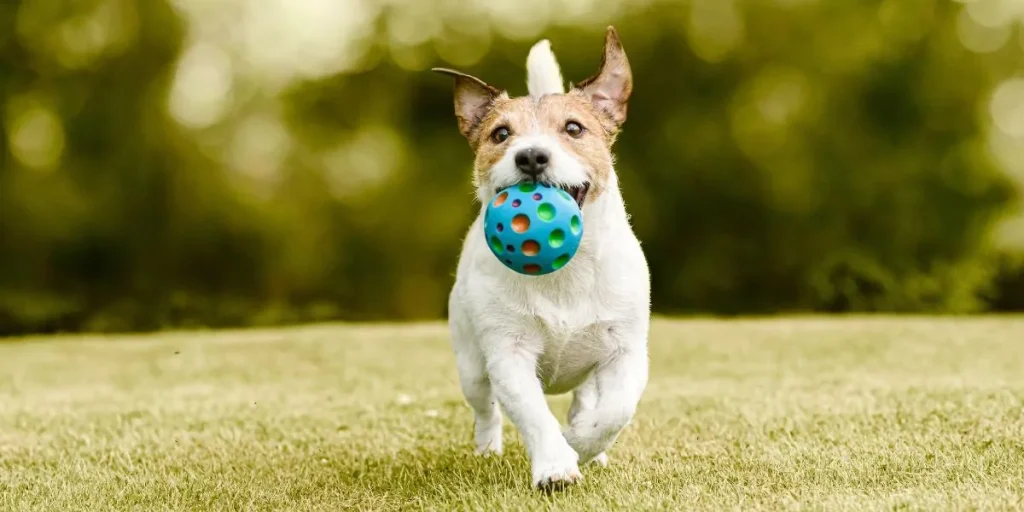
I’ve always been fascinated by how much mental stimulation can shape a pet’s behavior and overall happiness. Physical activity is essential, but I quickly learned that a tired body isn’t the same as a tired mind. That’s where puzzle toys come in. They’re more than just entertainment; they’re tools for boosting intelligence, improving focus, and reducing boredom-driven mischief. By making problem-solving part of my pet’s daily routine, I’ve seen positive changes that go far beyond what a regular walk or casual game of fetch can achieve.
Why Mental Stimulation Matters
When I think about my pet’s needs, exercise is the first thing that comes to mind, but mental challenges are equally important. Without them, pets can become restless or even develop destructive habits. I’ve noticed that when my pet uses his brain to work through a puzzle, he’s calmer afterward and less likely to engage in unwanted behaviors. Mental work is surprisingly tiring, and just like people, pets feel a sense of accomplishment when they solve a problem.
How Puzzle Toys Work
The concept is simple but effective. A puzzle toy hides treats, kibble, or small rewards inside compartments or mechanisms that your pet has to figure out how to open. Some toys require sliding panels, pressing buttons, or rotating pieces, while others have hidden drawers or flaps. By engaging their senses and problem-solving skills, these toys replicate the challenge of foraging or hunting for food in nature. I love watching my pet pause, think, and then try different tactics until he figures it out.
Benefits Beyond Entertainment
While I started using puzzle toys to keep my pet busy, I quickly realized the benefits go much further. They help reduce boredom, which means less chewing on shoes or clawing at furniture. They slow down eating, which can be healthier for digestion. They also help build confidence, especially for shy pets, because solving a puzzle rewards them with something tangible. Over time, I’ve seen my pet become more persistent and willing to try new challenges instead of giving up.
Introducing Puzzle Toys to Your Pet
The first time I introduced one, I made sure the puzzle was easy to solve so my pet wouldn’t get discouraged. I placed treats in visible spots and even showed him how it worked. Once he figured it out, I gradually moved to more complex designs. This step-by-step approach built his interest and ensured he saw the toy as fun rather than frustrating. I always supervise early sessions so I can step in if he gets stuck.
Matching the Puzzle to the Pet
Not all pets will enjoy the same type of puzzle. My dog loves toys that involve pawing and nudging, while my friend’s cat prefers puzzles that require delicate batting or pulling. I’ve found that matching the puzzle’s difficulty and design to the pet’s natural behaviors makes all the difference. Some pets are food-motivated, while others respond better to toys that incorporate movement or sounds.
Daily Routines with Puzzle Toys
I’ve made puzzle toys part of my pet’s daily schedule. Sometimes I replace his food bowl entirely with a puzzle feeder so that every bite requires effort. Other times, I bring out the puzzles during my busiest hours so he has something stimulating to do on his own. This keeps him engaged while also giving me uninterrupted time to work or relax.
Building Problem-Solving Skills Over Time
What amazes me most is how my pet’s approach to problem-solving has evolved. At first, he would randomly paw or nose at the toy, but now he studies it, makes calculated moves, and remembers past successes. I can see his mind working, and it’s satisfying to know I’m helping him develop skills that keep his brain sharp. Just like humans, pets benefit from mental exercise throughout their lives, and puzzle toys make that possible in a fun way.
Combining Play and Training
I’ve started using puzzle toys as part of training sessions. By hiding rewards in the puzzle, I encourage my pet to stay focused longer. This works well for reinforcing patience and persistence, two traits that carry over into other aspects of his behavior. It’s also a great way to keep training sessions from becoming repetitive, since the puzzles add variety and surprise.
Social Benefits of Puzzle Play
If you have more than one pet, puzzle toys can encourage cooperative play, or friendly competition. I sometimes set out multiple puzzles so each pet can work independently, but I’ve also seen them take turns on a single toy. This type of interaction helps them develop social skills and learn to wait for their turn, which reduces squabbles over resources.
Reducing Anxiety Through Engagement
I’ve found that puzzle toys can help pets with separation anxiety. By giving my pet a challenging toy before I leave, I redirect his focus from my departure to the puzzle in front of him. This reduces stress and helps him associate my absence with a positive, rewarding activity. It doesn’t replace quality time together, but it does make time apart more manageable for both of us.
Traveling with Puzzle Toys
Puzzle toys are great for trips because they keep pets occupied in unfamiliar environments. I pack lightweight, portable puzzles that can be used in the car, hotel, or a friend’s house. Having a familiar activity reduces my pet’s stress and helps him settle in faster. Plus, it gives me peace of mind knowing he’s engaged even when our regular routine is disrupted.
DIY Puzzle Toy Ideas
Store-bought options are fantastic, but I also enjoy making my own. A muffin tin with tennis balls covering treats is a simple starter puzzle. Cardboard boxes with holes cut in different shapes make great hiding spots for small toys or food. Even an empty plastic bottle can be turned into a rolling treat dispenser. Making puzzles myself means I can adjust the challenge level and keep things interesting without spending a lot of money.
Rotating Toys to Prevent Boredom
I’ve learned that leaving the same puzzles out all the time can cause my pet to lose interest. Instead, I rotate them weekly so there’s always something “new” to explore. This makes even older toys exciting again and ensures my pet doesn’t become too accustomed to any single challenge.
Watching for Frustration
While I want my pet to work for his rewards, I also watch for signs of frustration. If he becomes too agitated, I either make the puzzle easier or help him through it. The goal is to make the process enjoyable, not discouraging. Over time, I’ve learned the fine line between a healthy challenge and a task that feels impossible.
The Bonding Power of Puzzle Play
Some of my favorite moments are when we work on a puzzle together. I might encourage him with verbal cues, point to hidden compartments, or celebrate when he succeeds. This shared experience strengthens our bond and makes playtime a cooperative effort. It’s not just about the toy, it’s about building trust and enjoyment in each other’s company.
Health Benefits You Might Not Expect
Beyond mental stimulation, puzzle toys can have physical benefits. Pets who eat too quickly can use puzzles to slow down their meals, reducing the risk of digestive issues. Older pets who can’t handle intense exercise still get valuable stimulation from working on puzzles. Even recovering pets can benefit, since puzzle play engages them without putting strain on their bodies.
Choosing the Right Reward
I’ve discovered that the reward inside the puzzle can be just as important as the puzzle itself. For food-motivated pets, favorite treats or small portions of kibble work well. For others, a toy or a sprinkle of catnip might be more exciting. Switching up the reward keeps the game fresh and ensures ongoing interest.
Making Puzzle Play a Lifelong Habit
What started as an experiment has turned into a daily habit that I can’t imagine skipping. My pet looks forward to puzzle time, and I enjoy watching his cleverness in action. Whether we’re using store-bought designs or homemade creations, puzzle toys have transformed the way I approach play and enrichment. They’re not just a way to pass the time, they’re a tool for building a smarter, happier, and more confident pet.