
 By
Kelley Kelly
By
Kelley Kelly
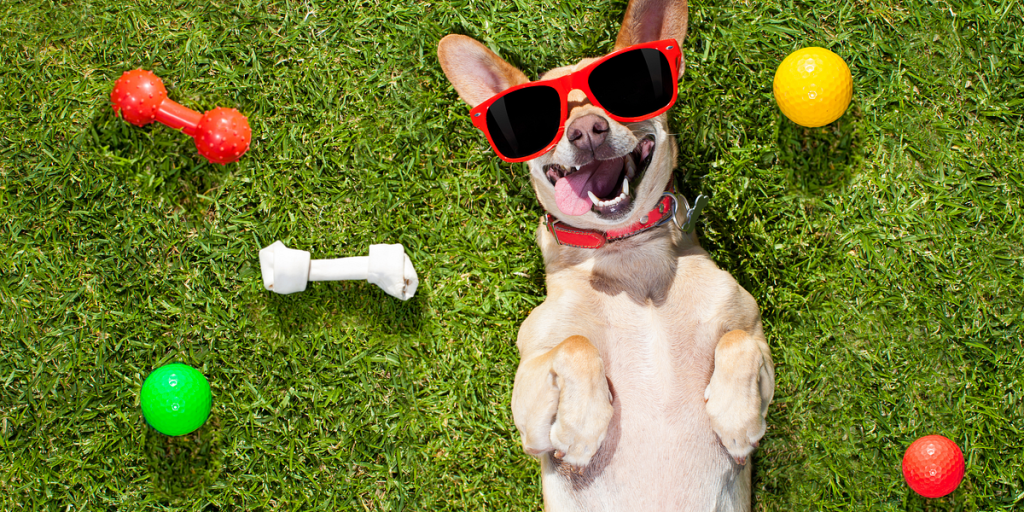
I’ve always believed that playtime is as important as feeding, grooming, and regular vet visits when it comes to keeping my pets happy and healthy. Over the years, I’ve experimented with different ways to make short bursts of activity meaningful, especially during those busy days when I barely have time to breathe. Through trial, error, and plenty of tail wags, I’ve figured out how to make 5-minute play sessions that actually work for both my pets and me. These quick interactions not only strengthen our bond but also give my pets the stimulation they need without requiring a huge time commitment.
Why Quick Play Sessions Matter
I used to think that only long, dedicated playtimes could keep a pet satisfied, but I quickly learned that short, focused sessions could be just as effective. The magic lies in how intentional I am with those minutes. Whether it’s chasing a toy, practicing a trick, or engaging in a mental puzzle, I make sure the activity is stimulating and rewarding. Five minutes may sound like nothing, but to a pet, it can be the highlight of their day, especially if those minutes are packed with energy and attention.
Quick sessions are also a lifesaver for pets with short attention spans. Some animals get bored or overstimulated after a while, so keeping playtime brief can actually be more engaging for them. It’s not about exhausting them; it’s about making the time meaningful.
My Go-To Fast Play Ideas
When I’m short on time, I don’t waste a second deciding what to do. I have a mental list of activities that I know my pets enjoy. For my dog, it might be a lightning-fast game of tug with his favorite rope. For my cat, it’s usually chasing a feather wand or batting a crinkly ball around the living room. These quick activities get their bodies moving and minds engaged instantly.
I’ve also discovered that rotating toys keeps the excitement alive. If I use the same toy every day, interest fades. By keeping a small stash and changing things up regularly, I can make those 5 minutes feel brand new each time. It’s a simple trick, but it works wonders.
Engaging Both Body And Mind
One thing I’ve learned is that physical exercise alone isn’t enough. Mental stimulation is just as important, and I try to incorporate both into my short play sessions. Sometimes that means using puzzle feeders or hiding treats around the room for a quick scavenger hunt. Other times it’s running through a couple of commands or tricks my pet already knows, rewarding them with praise and a snack.
Even for my cat, a bit of training can be fun. Teaching her to jump on a specific perch or to tap her paw on a target is surprisingly effective in keeping her mentally sharp. Plus, it gives me a few minutes to focus completely on her, which she loves.
Turning Everyday Items Into Toys
I don’t always rely on store-bought toys. A paper bag can be just as exciting as a fancy puzzle feeder if I present it the right way. For my dog, an empty plastic bottle with a few treats inside can become a quick and noisy game. These improvised toys save money and add variety to our playtime, making those 5-minute play sessions that actually work even more versatile.
It’s also fun for me to get creative. I’ve made obstacle courses from couch cushions, used old socks for gentle tug-of-war, and set up quick hiding spots for my cat to pounce from. The variety keeps both of us from getting bored.
The Role Of Routine
Consistency is the key to success with short play sessions. I try to schedule them at the same times each day, morning before work, mid-afternoon, and just before bed. My pets quickly learned to expect these bursts of attention, and their excitement is contagious. They know when it’s time to play, and they’re ready for it.
The routine benefits me, too. It’s easier to stick with something when it’s part of my daily schedule. Those quick five minutes act as a mental reset for me, breaking up the day and helping me feel more connected to my pets.
Reading My Pet’s Mood
I’ve learned that not every pet is ready to play on my schedule. Sometimes my dog just wants to nap, or my cat is too busy staring out the window to care about a toy. Forcing play never works, so I pay attention to their body language. If they’re eager and alert, we go full speed ahead. If they’re not in the mood, I try again later.
By respecting their moods, I’ve built trust. They know playtime is for fun, not for meeting some arbitrary schedule. This approach keeps them enthusiastic and ensures that those five minutes are truly enjoyable.
Short Sessions For Different Energy Levels
I’ve had pets with wildly different energy levels, and I’ve learned to adapt my quick sessions accordingly. High-energy dogs thrive on activities like fetch or sprinting after a toy. Lower-energy pets might prefer slower-paced games like hide-and-seek or gentle tug. My cat sometimes goes wild chasing a laser pointer, while other days she prefers a slow-moving teaser wand.
The goal is to match the activity to the pet’s mood and capabilities. That way, they get the most out of the time, and I avoid frustration for both of us.
Mixing Play With Training
I often use playtime to reinforce training commands. For example, I might have my dog sit before tossing a ball or practice “stay” while I hide a toy. It’s a sneaky way to get in some obedience work without it feeling like a chore. My pets stay sharp, and I get the satisfaction of knowing we’re making progress in just a few minutes.
Even my cat has learned a few tricks this way, such as high-fives and coming when called. Incorporating training into our short bursts of activity keeps their minds working while still letting them have fun.
Turning Transitions Into Play Opportunities
I’ve found that transitional moments, like waiting for the kettle to boil or before heading out for errands, are perfect for a quick game. These little pockets of time add up. By the end of the day, my pets have had several short play bursts that keep them happy and prevent boredom.
It’s amazing how much engagement I can pack into moments that might otherwise be wasted. My pets get more attention, and I feel less guilty about being busy.
Making It Fun For Me Too
If I don’t enjoy the activity, I won’t stick with it. That’s why I choose games I find fun, not just ones my pets enjoy. For example, I love seeing my cat leap dramatically for a toy or watching my dog’s goofy expressions during a tug game. That shared enjoyment makes it easier to be consistent.
The more I laugh and engage, the more my pets feed off my energy. They can tell when I’m fully present, and it makes our time together more rewarding.
Benefits Beyond Play
Those quick sessions have unexpected benefits. My pets are calmer throughout the day, less likely to engage in destructive behavior, and more eager to listen to me. The bond we share grows stronger with each interaction. I’ve also noticed improvements in their fitness, coordination, and confidence.
For me, these bursts of joy are stress relievers. They remind me to slow down, even for just a few minutes, and focus on something that makes us both happy. It’s a small investment of time with a huge return.
When Five Minutes Isn’t Enough
Sometimes my pets want more, and if I have the time, I let the session go longer. The beauty of starting with five minutes is that it removes the pressure. I don’t have to commit to a full play hour, but if we’re both enjoying ourselves, there’s no harm in extending it.
On especially busy days, I stick to the plan and keep it short. It’s better to have consistent, brief interactions than to skip play entirely because I can’t spare a longer period.
My Favorite Quick Games For Dogs
Over time, I’ve developed a shortlist of games that work especially well in five-minute sessions with dogs:
- Rapid-fire fetch: Throw the ball in quick succession to keep the energy high.
- Tug-of-war bursts: Let the dog win often to keep them engaged.
- Hide-and-seek with toys: Hide a toy in another room and let them find it.
- Short chase games: Run around furniture for a quick burst of excitement.
These are fast to set up, easy to play, and always get tails wagging.
My Favorite Quick Games For Cats
Cats are trickier, but I’ve found these work almost every time:
- Feather wand chases: Move unpredictably to trigger hunting instincts.
- Laser pointer sprints: Keep sessions short to avoid frustration.
- Paper ball batting: Toss a crumpled paper ball for them to chase.
- Treat hide-and-seek: Hide small treats around the room.
The trick with cats is to keep movements varied so they stay interested.
Adapting For Senior Pets
Older pets can still benefit from quick play sessions, but I modify the activities to be gentler. For senior dogs, I might use slow tug games or encourage them to find treats hidden in easy spots. Senior cats might enjoy slow feather wand play or gentle grooming that turns into a playful interaction.
Keeping the sessions short prevents overexertion while still giving them the joy of engagement.
Final Thoughts
Through trial and plenty of happy experiments, I’ve found that 5-minute play sessions that actually work are all about being intentional, consistent, and adaptable. My pets don’t care that the clock says five minutes, they care that those minutes are filled with energy, attention, and fun.
Whether it’s a game of fetch in the hallway, a quick chase with a feather toy, or a treat-hunting mission, these bursts of activity have made a huge difference in our daily lives. They keep my pets happier, healthier, and more connected to me, even on the busiest days.
The truth is, it’s not the length of time that matters, it’s the quality of the interaction. And when I commit to making those five minutes count, the rewards are endless.