
 By
Kelley Kelly
By
Kelley Kelly
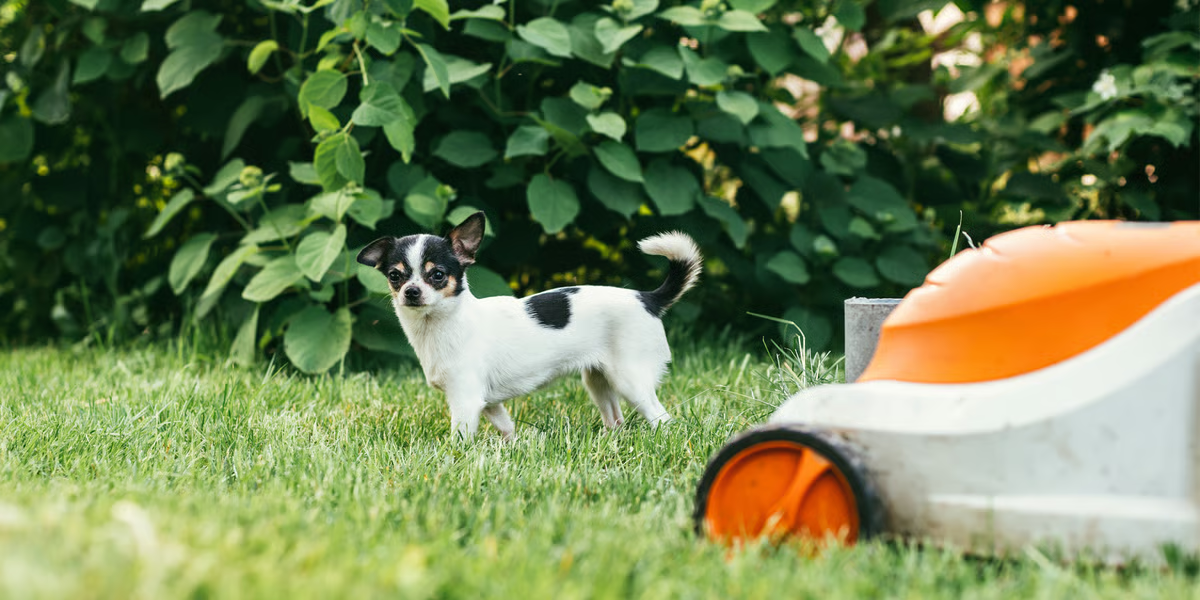
Playtime has always been one of my favorite ways to connect with my pets. Over the years, I’ve discovered that the most exciting moments are when they take the lead and invite me to join in. It turns a regular day into something special. Teaching your pet to initiate playtime is not just about making them more active, it’s about giving them confidence, boosting their mental stimulation, and deepening your bond. I’ve gone through this process with both dogs and cats, and each step has been an adventure filled with surprises and a few funny moments along the way.
Why Letting Pets Start Play Matters
When a pet feels comfortable enough to ask for play, it means they trust you and see you as a source of fun and security. Encouraging this behavior helps them develop social confidence. I’ve noticed that when my pets know they can approach me for play, they’re more likely to engage throughout the day, even during my busiest moments.
It also gives me a window into their mood and energy levels. If my dog comes trotting over with a ball in his mouth or my cat brings me her favorite toy mouse, I know they’re looking for interaction. This makes our play sessions more meaningful because they’re happening when the pet is truly in the mood.
Creating The Right Environment For Play
The first step I take is making sure my home feels safe and stimulating. Pets need an environment where they feel free to explore and interact. I keep toys in accessible spots so my pets can grab them without help. This might mean a small basket on the floor for the dog or a low shelf for the cat.
I’ve also learned that having different textures and types of toys makes a huge difference. My dog likes soft squeaky toys for indoor play but prefers rubber balls outside. My cat enjoys feather toys in the morning but will hunt small plush ones in the evening. By offering variety, I make it easier for them to choose how they want to start the game.
Using Positive Reinforcement
Whenever my pets make the first move toward play, I reward them immediately. This could be with a treat, a bit of praise, or starting the game right away. Positive reinforcement teaches them that bringing me a toy or making playful gestures will lead to something fun.
Timing is critical. If my cat drops a toy at my feet and I ignore her for a few minutes, she may lose interest. Responding instantly shows her that her effort works, and she’ll be more likely to try again.
Recognizing Play Signals
One of the keys to teaching your pet to initiate playtime is learning to read their signals. Dogs might bow with their front legs stretched out, wag their tails in a loose and bouncy way, or bring an object to you. Cats have subtler cues, such as wide, alert eyes, quick tail flicks, or batting at your hand with their paws.
By responding to these signs right away, I encourage my pets to see me as a willing participant. Over time, they start using these signals more deliberately to invite me into the game.
Making Playtime a Daily Routine
I’ve found that pets learn faster when play becomes a predictable part of our day. I set aside certain times for games, like after breakfast and in the evening. During these sessions, I sometimes wait for them to make the first move before engaging. This gives them a chance to practice initiating.
When they do approach me, I make sure to give my full attention. If I’m half distracted, the game loses its magic. Consistency tells them that playtime is always a safe and welcome option.
Encouraging Toy Presentation
One of my favorite techniques is teaching my pets to bring me a specific toy when they want to play. I start by selecting a toy they love and playing with it together regularly. Then, I introduce a cue word like “bring” or “toy” whenever they pick it up.
At first, I reward them for simply touching or holding the toy. Over time, I only reward them when they actually bring it to me. This simple habit makes initiating play easy for them and unmistakable for me.
Mixing Play Types For Engagement
If I only respond to fetch or chase games, my pets might get bored. I mix things up with different activities, tug-of-war, hide-and-seek, or even quick training games. By keeping play varied, I make it more tempting for them to start the interaction.
Sometimes my cat will initiate a game by hiding behind furniture and peeking out, waiting for me to “find” her. My dog might nudge a ball toward me while wagging his tail. Each action shows their unique personality, and I always respond with the same enthusiasm.
Letting Pets Win Sometimes
I’ve noticed that pets are more likely to invite me to play if they have fun victories. In tug-of-war, I’ll let my dog pull the toy away sometimes. With my cat, I’ll let her “catch” the feather after a short chase. These moments build confidence and make the game rewarding, which in turn makes them eager to start it again.
Using My Own Play Signals
I also send my pets subtle signals that I’m open to play. I might tap the floor, make a playful noise, or pick up a toy and put it back down without throwing it. Sometimes this prompts them to take the next step and bring it to me.
This back-and-forth communication is part of why teaching your pet to initiate playtime feels so rewarding. It’s not just me leading the game; it becomes a mutual exchange.
Encouraging Quiet Play Requests
Not all play invitations need to be loud or hyperactive. I’ve had moments when my cat simply sits beside me with a toy, staring until I notice. I make sure to respond to these quieter requests too, so she knows they’re just as valid as jumping and meowing.
By rewarding both big and small attempts, I show my pets that any effort to engage is worth my attention.
Managing Overexcitement
Sometimes, when pets first learn to initiate play, they can get overly excited and a bit too rough. I set boundaries by pausing the game if things get out of hand. This teaches them that gentle play keeps the fun going.
With my dog, I’ve used short breaks to help him calm down before resuming. For my cat, I stop moving the toy until she relaxes, then continue. These gentle pauses keep play safe and enjoyable.
Incorporating Treats And Clicker Training
For pets that need extra encouragement, I sometimes use clicker training. When they bring me a toy or make a play gesture, I click and give a treat before starting the game. The clicker helps them associate the behavior with both food and fun, speeding up the learning process.
This method works especially well for shy pets who need clear signals about what I want from them.
Setting Up Play Triggers
I’ve found that certain triggers can prompt my pets to start play on their own. For example, keeping a toy basket near the door often leads my dog to grab a ball whenever I put on my shoes. My cat associates a specific mat in the living room with chase games, so she’ll run to it when she’s in the mood.
By using environmental cues like these, I give my pets more opportunities to initiate.
Respecting Their Preferences
Every pet has a different play style, and part of teaching your pet to initiate playtime is recognizing what excites them. My dog will always prefer fetch to tug, while my cat loves chasing but isn’t interested in retrieval. By focusing on their favorite games, I make it more likely they’ll ask for them.
It’s about giving them the freedom to express what they enjoy, rather than forcing one type of play.
Avoiding Forced Interactions
If my pets aren’t in the mood, I don’t push it. Ignoring their signals can make them less likely to initiate in the future. By respecting their choice to skip a session, I keep our playtime positive and pressure-free.
This approach builds trust, and over time, they’re more willing to approach me when they’re ready.
Encouraging Multiple Short Sessions
Long playtimes can be exhausting, but short bursts keep energy levels high. I often have several mini play sessions throughout the day, many of which are initiated by my pets. These frequent but brief games keep them engaged and looking forward to the next one.
Over time, they’ve learned that even a few minutes of play can be exciting, which makes them more likely to ask for it.
Involving Other Family Members
I make sure everyone in the household is part of the process. When my pets realize they can initiate play with multiple people, they become more confident and sociable. It also means they’re less dependent on me alone for entertainment, which is especially helpful on busy days.
Having different people respond to play invitations also exposes pets to varied styles of interaction, which keeps things interesting for them.
Watching For Progress
The most rewarding part of teaching your pet to initiate playtime is noticing the changes over time. At first, they might only approach once or twice a week. Later, it becomes part of their daily routine. I celebrate these small victories and keep encouraging them, knowing that each step strengthens our relationship.
Eventually, I start seeing creative play invitations I never taught them, like my cat dropping toys in unusual places for me to “discover” or my dog nudging me when he sees his favorite ball.
Final Thoughts
Teaching your pet to initiate playtime is a gradual process that requires patience, consistency, and enthusiasm. By creating a safe environment, recognizing their cues, rewarding their efforts, and respecting their preferences, I’ve been able to turn my pets into confident play initiators.
The joy in those moments when they choose to start the game is hard to describe. It’s not just about entertainment, it’s about building trust, communication, and a shared language of fun. Every toy brought to my feet, every playful glance, and every pounce feels like a little gift, reminding me why these connections matter so much.