
 By
Kelley Kelly
By
Kelley Kelly
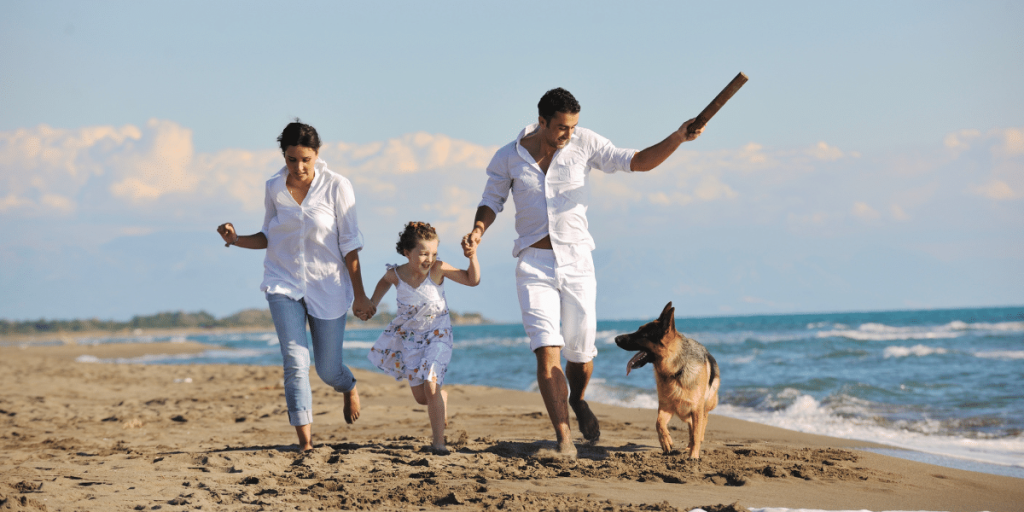
I’ve noticed that my pets always seem to sleep more peacefully on days when we’ve had a good amount of play. Over the years, I started paying closer attention and realized there’s a direct connection between how active they are during the day and the quality of their rest at night. The link between play and better sleep for pets is not just a coincidence, it’s a pattern backed by both my personal experiences and what I’ve learned from veterinarians and animal behaviorists.
Play isn’t just a way to burn energy; it’s a natural way to balance a pet’s physical, mental, and emotional needs. By making it a regular part of our daily routine, I’ve seen real improvements in my pets’ sleeping habits. They fall asleep faster, stay asleep longer, and seem more refreshed when they wake up.
How Play Supports Healthy Sleep Patterns
When pets are given enough opportunities to move, chase, fetch, or explore, they expend energy that would otherwise be stored up. If that energy builds too much, it often shows up as restlessness, pacing, or nighttime wakefulness. I’ve experienced this firsthand with my dog, on days when he didn’t get enough play, he would be up and down all night.
Engaging in structured play helps regulate their internal rhythms. Just like humans, pets benefit from a balance between activity and rest. Play gives them a clear signal that it’s time to be active, which in turn makes it easier for their bodies to transition into a deeper rest afterward.
Mental Stimulation and Sleep Quality
It’s not just physical tiredness that leads to better sleep, mental stimulation plays a huge role too. I’ve seen that when I challenge my pets with puzzle toys, training games, or hide-and-seek, they’re mentally satisfied as well as physically tired. This combination seems to encourage deeper, more restorative sleep.
For example, my cat will happily nap for hours after an intense fifteen-minute feather toy chase followed by a treat hunt. That mental focus keeps her engaged in the moment, and when she’s done, her body naturally shifts into rest mode.
Reducing Anxiety Through Play
Anxiety can make it difficult for pets to settle down and rest. I’ve found that play is a powerful way to help reduce that anxiety. When my dog has had a stressful day, like during thunderstorms or when guests are over, a playful session with his favorite ball helps release tension.
This is where the link between play and better sleep for pets becomes most obvious to me. By channeling that nervous energy into something positive, my pets are calmer and more relaxed when bedtime comes around.
Matching Play To Your Pet’s Needs
I’ve learned that not all play is created equal, and different pets need different activities to get the same benefits. My energetic dog loves fetch and tug-of-war, while my cat prefers short bursts of chase games. Senior pets might enjoy gentler activities like slow hide-and-seek or scent-based games.
By tailoring play to their individual preferences and abilities, I make sure they get the right amount of stimulation without overdoing it. The goal is to strike that perfect balance where they feel satisfied but not exhausted.
The Role of Timing in Play and Sleep
Timing can be just as important as the type of play. I’ve noticed that my pets sleep best when our most active sessions happen in the late afternoon or early evening. This gives them enough time to wind down afterward but still ensures they’re tired by bedtime.
If we play too close to when I want them to sleep, they sometimes stay wired for longer. On the other hand, if all their activity happens early in the day, they might get a second wind late at night. It’s all about finding that sweet spot.
How Play Mimics Natural Behaviors
In the wild, animals spend much of their day hunting, foraging, or defending territory. Domestic pets still have those instincts, even if they no longer need to hunt for survival. Play provides a safe outlet for these natural drives, which can lead to a sense of fulfillment and contentment.
When those instincts are satisfied, I find that my pets are more at ease, both physically and mentally. This comfort often translates directly into more restful sleep.
Recognizing When Play Improves Sleep
I can tell play has made a difference when my pets sleep deeply without frequent awakenings. My dog’s breathing becomes slow and steady, and my cat curls up without fidgeting or changing positions often. These signs let me know they’ve reached that deep, restorative stage of rest.
Over time, I’ve also noticed fewer signs of boredom or frustration during the day. This suggests that regular play not only improves sleep but also helps maintain a calmer, more content demeanor overall.
Creating a Consistent Play-Sleep Routine
Consistency has been key in making the most of the link between play and better sleep for pets. By scheduling daily play sessions, I’ve created a rhythm that my pets can depend on. They start to anticipate the active times and naturally adjust their rest patterns around them.
This predictability seems to give them a sense of security, which further improves their ability to relax at night. It’s similar to how a bedtime routine works for children, regular patterns signal the body and mind to prepare for rest.
Signs Your Pet Needs More Play
Sometimes restless nights are a sign that a pet isn’t getting enough stimulation during the day. I’ve learned to watch for behaviors like excessive chewing, pacing, barking, or nocturnal activity. These usually mean they have unused energy that needs an outlet.
In these cases, increasing the amount of interactive play can make a huge difference. It’s not always about adding more time, sometimes it’s about making the play more engaging or mentally challenging.
Adapting Play for Older Pets
Older pets can still benefit from the link between play and better sleep for pets, but their play sessions need to be adjusted. My senior dog enjoys short walks with light fetch at the end, and my older cat likes gentle feather chases on the bed where she doesn’t have to jump too much.
By keeping activities low-impact, I help them stay active without causing discomfort, and they still enjoy the improved sleep that follows.
Using Play to Tire Out Young Pets
With younger pets, I often have the opposite challenge, they seem to have endless energy. Structured play becomes essential to ensure they’re tired enough to sleep through the night. This might mean several short sessions throughout the day, including one in the early evening to set them up for a good night’s rest.
I’ve found that mentally challenging games work just as well as physical ones for wearing them out in a healthy way.
Indoor Play for Bad Weather Days
Weather can limit outdoor play, but I’ve learned plenty of indoor alternatives to keep my pets active. For my dog, hallway fetch or tug games work well. For my cat, I’ll create obstacle courses or hide treats around the house.
Even without going outside, these activities help maintain the balance between activity and rest, showing that the link between play and better sleep for pets holds true no matter the setting.
Avoiding Overstimulation Before Bed
While play is important, too much excitement right before bedtime can backfire. I aim for calming activities in the last hour before sleep, gentle petting, slow walking, or soft toy play. This helps my pets transition from an active state into a restful one without carrying too much adrenaline into bedtime.
The Bonding Effect of Play and Rest
Play doesn’t just lead to better sleep; it also strengthens the bond between me and my pets. When we’ve had a fun, engaging session together, they’re more relaxed around me and more willing to settle down in my presence. This closeness seems to make their rest even deeper, as they feel secure and content.
It’s a cycle, play builds trust, trust promotes relaxation, and relaxation leads to better sleep.
Observing the Long-Term Benefits
Over months and years, I’ve seen the lasting effects of regular play on my pets’ sleep habits. They maintain healthier weights, show fewer signs of stress, and seem more alert when they’re awake. This overall well-being feeds back into their sleep quality, creating a positive loop that’s hard to break.
It’s proof that small, consistent actions during the day can have a big impact on nighttime rest.
Balancing Play With Other Needs
While play is vital, it works best alongside other elements of pet care. A healthy diet, regular exercise, and a comfortable sleeping environment all contribute to the benefits. I make sure my pets have cozy, quiet spots for sleeping so they can make the most of the rest they’ve earned through play.
My Favorite Play Activities for Better Sleep
Over time, I’ve found some activities that consistently help my pets sleep better:
- For my dog: fetch, tug-of-war, scent games, and light agility training.
- For my cat: feather wand chases, treat puzzles, and short laser pointer sessions followed by a “catch” moment to satisfy her hunting drive.
Mixing these into our week keeps things fresh and ensures the link between play and better sleep for pets stays strong.
Final Thoughts
In my experience, the link between play and better sleep for pets is undeniable. When my pets have enough physical activity, mental stimulation, and emotional engagement during the day, their rest at night is deeper and more consistent.
By tailoring play to their individual needs, timing it well, and making it part of our daily routine, I’ve seen remarkable improvements in their overall health and happiness. It’s a simple but powerful reminder that the time we spend actively engaging with our pets pays off in more ways than one, better sleep being one of the most rewarding benefits.