 By
Kelley Kelly
By
Kelley Kelly
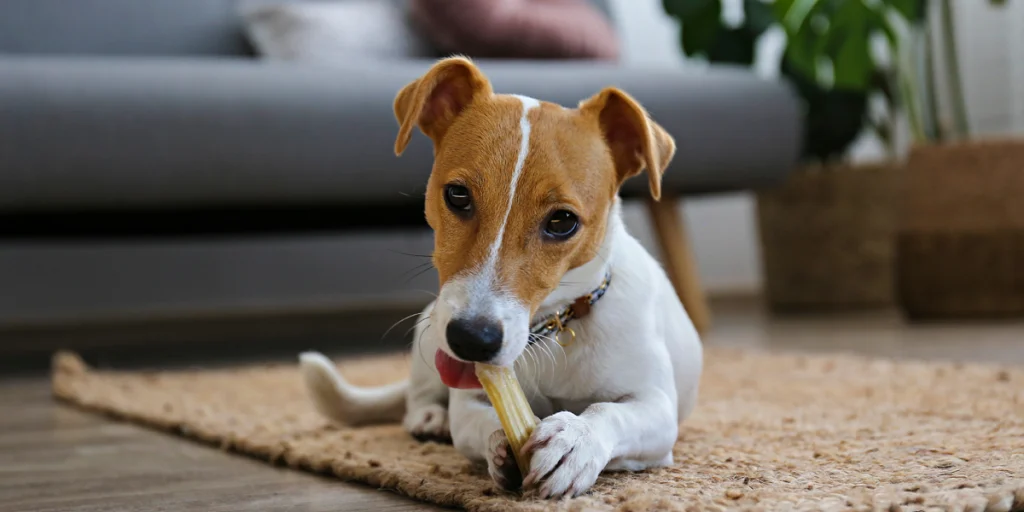
I’ve found that some of the most effective training sessions I’ve ever had with my pets didn’t feel like training at all, they felt like games. When I first started using play as part of our daily routine, I realized my pets were more engaged, more willing to participate, and quicker to pick up on new commands. That’s the heart of training through play: using fun, interactive activities to teach skills while building a stronger bond at the same time.
When I use play as a training tool, it taps into my pets’ natural instincts. Whether it’s chasing, fetching, problem-solving, or tugging, these activities naturally reinforce behaviors I want to encourage. It doesn’t feel like work to them, and for me, it turns training into a rewarding experience instead of a chore.
Why Play Works So Well For Training
Play naturally motivates pets because it’s enjoyable and instinct-driven. Dogs and cats, for example, have strong prey drives and love engaging in activities that simulate hunting. When I pair commands or desired behaviors with these instinctual games, my pets are more eager to respond.
I’ve seen that when training feels like play, my pets pay more attention. They focus longer, make fewer mistakes, and seem genuinely happy during the process. They’re not just learning because I’m asking them to, they’re learning because it’s fun.
Building Trust Through Play-Based Training
Trust is at the core of all successful training, and play is one of the easiest ways to build it. When I get down on the floor to play tug-of-war with my dog or roll a ball to my cat, it’s not just a game, it’s an interaction that says, I’m safe, I’m fun, and I’m worth listening to.
That trust carries over into situations outside of play. My dog is more willing to follow commands at the park because he associates me with good experiences. Play has a way of creating a foundation where communication feels natural and cooperation becomes second nature.
Turning Games Into Teachable Moments
One of the reasons I love training through play is that I can turn almost any game into a mini lesson. Fetch, for instance, can reinforce “come,” “drop it,” and “wait.” A simple game of hide-and-seek can teach recall and build problem-solving skills.
When my cat plays with a wand toy, I use moments when she catches it to reinforce calm behavior before the game starts again. This teaches her patience and self-control without her even realizing she’s being trained.
Encouraging Physical and Mental Engagement
Play-based training isn’t just about getting pets to follow commands, it’s also about engaging their minds. Puzzle toys, scent games, and interactive challenges stimulate their thinking. I’ve noticed that when my pets use their brains as well as their bodies during training, they retain lessons much longer.
The physical aspect of play keeps them fit, while the mental stimulation prevents boredom and the behavioral problems that often come with it. It’s a balanced way to help them grow in multiple areas at once.
Timing Play for the Best Results
The timing of training through play can make a big difference. I’ve found that my pets learn best when they have some energy but aren’t completely wound up. If I try to start a play-based training session when they’re too hyper, they struggle to focus. On the other hand, if they’re tired, they’re less interested in participating.
Late morning or early evening seems to work best for us. By then, they’ve had some movement but still have energy left to enjoy an interactive game.
Keeping Sessions Short and Engaging
One thing I’ve learned is that it’s better to have multiple short, focused play-training sessions rather than one long one. My pets stay motivated and excited to participate when the sessions end before they get bored.
Five to ten minutes of high-quality, focused play is often enough to reinforce a skill without losing their attention. That way, they associate training with excitement, not with frustration.
Adapting Play to Your Pet’s Personality
Every pet is different, and tailoring play to their preferences makes training more effective. My dog loves fetch, tug, and agility activities, while my cat enjoys chase games, climbing challenges, and puzzle feeders.
By matching the game to what excites them most, I’m able to keep them engaged while still working on commands and desired behaviors. Training through play isn’t one-size-fits-all, it’s about making the process enjoyable for the specific pet in front of me.
Using Rewards Within Play
Sometimes the game itself is the reward, but I often mix in treats or praise to reinforce the behavior I want. For example, when playing fetch, I’ll ask my dog to “sit” before I throw the ball. The throw becomes the reward for sitting.
With my cat, I might hide a treat under a cup as part of a puzzle game. Once she solves it, she gets both the treat and the satisfaction of winning. This combination of rewards helps reinforce lessons more quickly.
Preventing Overexcitement During Play
While excitement is good, too much of it can make training less effective. If my dog starts jumping excessively or grabbing too hard during tug games, I pause until he calms down. That way, he learns that polite behavior keeps the game going, while overexcitement stops it.
This approach also helps maintain safety during play, especially with pets who can get a bit carried away.
Strengthening Obedience Through Fun
I’ve used play to reinforce basic obedience skills like “sit,” “stay,” “leave it,” and “come.” The difference is that instead of repetitive drills, I weave these commands into a game. When I hide behind a tree and call my dog, he comes running because it’s part of hide-and-seek, not just another recall exercise.
This keeps training fresh and interesting while still building reliable obedience.
Reducing Stress With Play-Based Training
Pets can sometimes feel pressured during traditional training methods, especially if they’re sensitive or shy. Play removes much of that pressure. I’ve worked with rescue animals who were hesitant to follow commands at first but became enthusiastic learners once training was introduced through play.
Games create a safe, low-stress environment where pets can experiment and succeed without fear of making mistakes.
Using Play for Social Skills
When I have friends with dogs over, I use group games to build social skills. This might be a group recall game or shared fetch sessions. The same works with cats in multi-cat households, interactive wand play helps them learn to share space and take turns.
Training through play in a social context helps pets build confidence around others while still reinforcing positive behaviors.
Building Confidence in Shy Pets
Some pets lack confidence and need encouragement to try new things. Play is a gentle way to coax them out of their shells. My shy foster dog once refused to approach new people, but a game of fetch slowly helped her build the courage to engage. Over time, she associated meeting new people with fun, which made her more comfortable overall.
Avoiding Common Mistakes in Play-Based Training
One mistake I made early on was letting the game continue without reinforcing the behavior I wanted. If I let my dog drop the ball halfway back and still threw it again, I was teaching him that returning the ball wasn’t necessary.
Another mistake is ignoring signs of overstimulation. If pets start getting too rough or distracted, it’s better to take a break than push through. This ensures the lessons stay positive and effective.
Creating a Play-Training Routine
I’ve built a daily routine that blends training and play without making it feel forced. Mornings might include a quick puzzle game before breakfast, afternoons could involve a game of fetch that works on recall, and evenings often include gentle tug games or scent work.
Consistency makes a big difference. My pets now expect these activities and are ready to participate when it’s time.
Long-Term Benefits of Play-Based Training
Over time, I’ve noticed that pets trained through play are more responsive, happier, and more confident. They tend to view learning as a positive experience rather than a task to be endured.
The bond between us has also grown stronger. My pets associate me with fun, engagement, and rewards, which makes them more willing to listen even outside of structured play.
Combining Play With Other Training Methods
While play is powerful, I also blend it with other training approaches when needed. Some lessons, like leash walking or grooming tolerance, require a calmer environment. However, I often use play as a reward after these more formal training sessions to keep the experience positive.
Making Play Part of Everyday Life
Play doesn’t have to be scheduled to be effective. I look for small moments throughout the day to turn into playful training opportunities. A quick hide-and-seek game when I walk into another room, or a brief tug session while dinner is cooking, keeps skills fresh without requiring a big time commitment.
Final Thoughts
Training through play has completely transformed the way I work with my pets. It’s not just about teaching commands, it’s about creating an environment where learning is natural, engaging, and rewarding. By tapping into their instincts and making the process fun, I’ve seen faster results, stronger bonds, and happier pets.
Every game becomes a chance to reinforce good habits and build trust. The joy they show during these sessions reminds me that training doesn’t have to be serious to be effective, it just has to be something we both enjoy.