 By
Kelley Kelly
By
Kelley Kelly
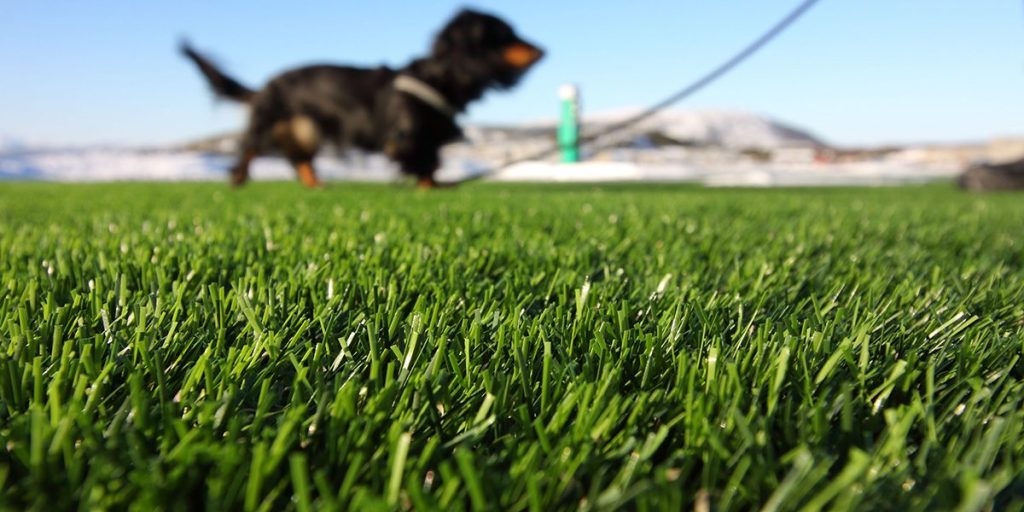
Nothing deepens the connection with a pet quite like play. I’ve found that the more time I spend actively engaging in games with my pets, the more they trust me, listen to me, and seek me out. Play isn’t just about burning energy, it’s a language in itself, a way to communicate affection, trust, and shared joy without a single word.
When I think about games to strengthen your bond with your pet, I picture activities that go beyond casual amusement. These games invite cooperation, encourage mutual understanding, and give both of us a sense of accomplishment. They create memories while reinforcing that we’re a team.
Why Play Strengthens Connection
Play stimulates the mind and body, but it also feeds the emotional side of the relationship. Pets who regularly engage in interactive play with their owners tend to be more responsive, less anxious, and more willing to try new things. I’ve noticed that when my pets and I engage in games consistently, they approach me more often and even anticipate certain activities at specific times of day.
The trust built through games has helped me in situations far beyond playtime, whether it’s getting them to come inside quickly during bad weather or calming them at the vet’s office.
Interactive Games for Daily Engagement
Some games fit easily into daily life and don’t require special equipment. I like incorporating these into short breaks during the day. A quick game of fetch in the living room, a playful chase down the hallway, or even a round of hide-and-seek can instantly lift my pet’s mood and mine as well.
These games not only help expend energy but also reinforce recall and focus without feeling like structured training. Every successful round strengthens our communication.
Hide-and-Seek: Building Trust and Recall
Hide-and-seek is one of my favorites because it engages both mental and physical skills. I start by hiding in an easy-to-find place and calling my pet’s name. When they find me, I make a big deal out of it with praise or a treat. Over time, I increase the difficulty by hiding in new spots or even outside in a safe, enclosed area.
The game teaches my pet to seek me out when called, which is incredibly useful in real-life situations, but more importantly, it turns coming to me into a fun, rewarding event.
Tug-of-War: Channeling Energy into Cooperation
Tug-of-war often gets misunderstood as a dominance game, but I’ve found it to be a fantastic bonding activity when played with boundaries. Using a sturdy toy, I encourage my dog to tug and release on command. This not only burns physical energy but also teaches impulse control.
Ending the game on a positive note, whether I win or they do, keeps the mood upbeat and the trust intact. It’s about shared effort, not competition.
Fetch with a Twist
Regular fetch is fun, but adding small training cues can make it even better for connection. Before throwing the ball or toy, I might ask my dog to sit or wait, and then release them to chase after it. With my cat, I use lightweight toys or crinkly balls and encourage her to bring them back by offering a treat as a reward.
This variation adds structure to the game while keeping it exciting, making it another great example of games to strengthen your bond with your pet.
Scent Work and Treasure Hunts
Tapping into a pet’s natural hunting instincts is a powerful way to bond. I hide small treats or favorite toys around the house and encourage them to find them. The joy they display when they uncover a hidden treasure makes the game irresistible.
For dogs, I sometimes use scent-specific toys or boxes with holes to make them work a little harder. For cats, scattering treats inside puzzle feeders gives them both a challenge and a reward.
Agility and Obstacle Courses
Agility doesn’t require professional equipment. I’ve set up small obstacle courses at home using chairs, cushions, broom handles, and cardboard boxes. We practice weaving, jumping, crawling, and balancing.
These activities require communication, patience, and encouragement, all of which strengthen our teamwork. My pets learn to watch me for cues, and I learn how to guide them in a way they enjoy.
Water Games for Adventurous Pets
For pets who enjoy water, games in a shallow pool, lake, or even a backyard kiddie pool can be fantastic bonding activities. I toss floating toys for retrieval or simply splash around together.
The key here is safety and ensuring the water is a comfortable experience. Not every pet loves water right away, so starting slowly and letting them lead can build confidence and trust.
Puzzle Toys and Problem-Solving Games
Mental stimulation is just as important as physical activity. Puzzle toys, treat-dispensing balls, or DIY challenges keep pets engaged while also involving me in the process. I watch, encourage, and occasionally help them when they’re stuck.
This shared problem-solving builds a sense of partnership. They learn that I’m part of the solution, not just a spectator.
Gentle Wrestling for Physical Contact
Some pets love light, controlled physical play. With my dog, gentle wrestling involves rolling on the floor, light pushing, and belly rub breaks. It’s never rough or forceful, but it’s a way to share close physical interaction in a playful way.
This type of game can be especially bonding for dogs that crave touch and physical closeness.
Daily Mini-Games for Busy Schedules
Even on busy days, I make time for small bonding games. Quick sessions of toss-and-catch with a toy, short chases through the hallway, or hand-targeting games keep our connection alive without requiring a lot of time.
These mini-games reinforce that I’m a source of fun and interaction, even when my schedule is packed.
Adapting Games to Your Pet’s Personality
The most effective games are those that suit your pet’s preferences and temperament. High-energy dogs may thrive with fetch and agility, while quieter pets might prefer puzzle games and gentle chase.
By paying attention to what my pets respond to most, I can tailor activities that excite them and make them eager to join in.
Making Play a Safe Experience
Safety is essential during play. I always check the environment for hazards, use pet-safe toys, and monitor for signs of fatigue or overstimulation.
Knowing when to take breaks helps keep the experience positive. I want my pets to look forward to these activities, not associate them with discomfort.
How Play Helps in Training
Many of these games double as training opportunities. Hide-and-seek strengthens recall, fetch reinforces commands like “drop it,” and tug-of-war teaches self-control.
When training happens in a playful context, pets learn faster and with less stress, making the lessons stick long-term.
Building Confidence Through Games
Shy or anxious pets often benefit from games that let them succeed easily at first, then gradually introduce new challenges. Every small win builds confidence.
For example, a nervous dog might start with short, easy scent-finding tasks before moving on to more complex ones. Over time, their eagerness to participate grows.
Incorporating Play Into Routine Care
I’ve used play to make grooming and vet visits easier. Tossing a toy before brushing, playing a quick game after nail trimming, or using puzzle feeders during crate time makes these moments more pleasant.
The positive association created through games reduces stress and builds trust in situations that might otherwise be tense.
Group Games for Social Pets
If your pet enjoys the company of others, group games can strengthen their bond with you while improving social skills. Fetch in a dog park, relay-style recall games, or multi-cat wand play sessions encourage teamwork and sharing.
These activities keep you as the central figure in the game, reinforcing your role in their fun.
Signs of a Stronger Bond
After regularly playing games to strengthen your bond with your pet, you may notice they look to you more often, follow you from room to room, and seem more relaxed in your presence. They might initiate play themselves or bring you toys as an invitation.
These are clear signs that the connection is growing deeper.
Overcoming Play Challenges
Not all pets take to games immediately. Some may need time, encouragement, and patience. Starting with very short sessions and gradually increasing duration can help. Using high-value treats or toys as part of the game can also motivate reluctant players.
The key is not to force participation but to make the experience enjoyable so they want to come back for more.
Final Thoughts
Playing games with pets is more than entertainment, it’s an investment in the relationship. Every time we laugh together over a silly chase, succeed at an obstacle, or share a quiet puzzle game, our bond grows stronger.
Games to strengthen your bond with your pet are a daily opportunity to create trust, joy, and mutual respect. They turn ordinary moments into memories and make both our lives richer.