
 By
Kelley Kelly
By
Kelley Kelly
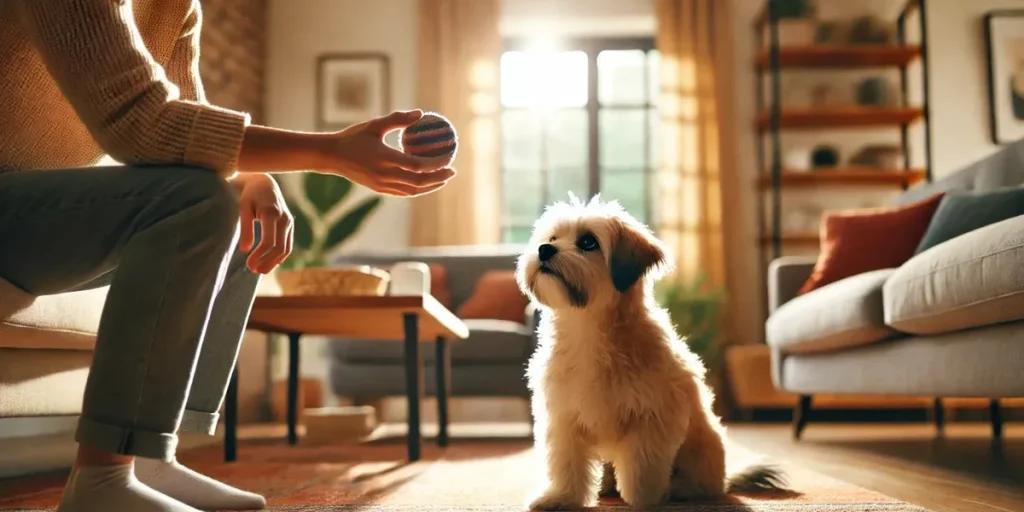
Playtime is one of the most enjoyable parts of having pets, but I’ve found that not all play is equal. When games get too intense, pets can go from excited to overwhelmed in seconds. That’s when fun turns into stress or even misbehavior. By paying attention to signals and pacing activities, I’ve learned how to keep play enjoyable without pushing my pets past their comfort zone.
Avoiding overstimulation during play isn’t about limiting fun; it’s about keeping it balanced so both of us leave the session happy and relaxed. It means knowing when to slow down, when to pause, and how to read the cues my pets give me along the way.
What Overstimulation Looks Like
I’ve noticed that overstimulation doesn’t look the same for every pet. For some dogs, it might mean wild zoomies that quickly spiral into mouthing or rough jumping. For cats, it might start with enthusiastic batting at a toy but end with swats or bites when touched.
The key is recognizing the early signs before the situation escalates. These can include excessive panting, pinned-back ears, a stiff tail, dilated pupils, or a sudden shift from playful to reactive. By spotting these indicators, I can adjust the activity before my pet tips into frustration or exhaustion.
Balancing Energy Levels
Every pet has a different threshold for excitement. My energetic dog can handle longer bursts of fetch, while my more sensitive cat prefers slower, calmer games. Matching the pace of play to the pet’s personality makes a huge difference in avoiding overstimulation during play.
I try to start with moderate activities, gradually increasing intensity if my pet seems engaged and comfortable. If I jump straight into high-energy games, the excitement can spike too quickly, making it harder to bring things back down smoothly.
Building in Natural Pauses
One of the most helpful things I’ve learned is to build short breaks into our play sessions. Even in the middle of a lively game, I’ll stop and let my pet catch their breath. These pauses give them time to process and reset.
For example, during tug-of-war, I might ask my dog to sit and release the toy before we start again. With my cat, I’ll stop moving the wand toy for a moment, letting her decide whether to continue. These small pauses keep the excitement level steady instead of letting it spiral.
Watching the Environment
The environment plays a big role in how easily a pet becomes overstimulated. A quiet, familiar space tends to promote calmer play, while a noisy, crowded area can make them more reactive.
If we’re indoors, I keep distractions to a minimum, no loud TV, no sudden interruptions from other pets. If we’re outside, I choose a spot where my pet won’t be overwhelmed by passing people, animals, or sounds. Controlling the setting makes it easier to manage stimulation levels.
Choosing the Right Toys for the Mood
The type of toy I use can either increase or decrease excitement. Fast-moving chase toys or squeaky balls can quickly raise energy, while puzzle feeders or slow interactive games keep things more relaxed.
If I notice my pet getting too hyped, I’ll switch to a calmer toy. For my dog, that might mean trading the frisbee for a food puzzle. For my cat, I might replace the feather wand with a treat-dispensing ball that requires slower movements. This shift helps ease them back into a more balanced state.
Using Training to Keep Play in Check
Training isn’t just for obedience, it’s an effective tool during play. I weave in commands like “sit,” “wait,” and “drop it” during games to give my pets a mental break from the excitement.
This approach not only keeps them focused but also reinforces good behavior. I’ve found that a pet who can respond to cues even while playing is far less likely to cross into overstimulation.
Recognizing When to Stop
Sometimes the best way to manage play is to end it altogether. If my pet ignores cues, becomes rough, or starts showing signs of stress, I know it’s time to stop. This isn’t a punishment, it’s a way to protect their emotional and physical well-being.
Ending a session on a calm note helps my pets understand that play doesn’t have to reach an extreme to be satisfying. We can always pick it up again later when they’re in a better frame of mind.
Calming Down After Play
The minutes after play are just as important as the session itself. I like to follow active games with calming activities. For my dog, that might mean gentle petting, a slow walk around the house, or chewing on a soft toy. For my cat, it could be quiet time in her favorite spot with a light scratch behind the ears.
This cool-down period helps transition them from active engagement to a more restful state, making it less likely they’ll carry excess energy into unwanted behaviors.
Considering Age and Health
Age and health conditions greatly influence how much stimulation a pet can handle. My senior dog tires more quickly and needs gentler play than when he was younger. Likewise, a kitten might seem tireless but can actually become overstimulated faster than an adult cat because they’re still learning their limits.
By tailoring play to their age and health, I reduce the risk of pushing them too far. I watch carefully for signs of fatigue, adjusting the length and intensity of our games accordingly.
Incorporating Mental Play
Not all stimulation comes from physical activity. Mental games, like teaching a new trick, solving a puzzle toy, or scent tracking indoors, can be just as satisfying without the risk of overexcitement from constant movement.
I often mix mental and physical play in a single session. This balance keeps my pets engaged without overwhelming them, making avoiding overstimulation during play much easier.
Play Dates with Boundaries
When playing with other pets, stimulation levels can rise quickly. I keep these sessions short and supervised, with clear pauses for breaks. I also make sure the personalities of the pets match, pairing a highly energetic dog with a much calmer one often leads to frustration for both.
If I see signs of one pet becoming overstimulated, I separate them for a few minutes. This break usually allows both to return to play in a calmer, more controlled manner.
Teaching Self-Control Through Play
Playtime can be a perfect opportunity to teach self-control. I encourage my pets to wait before chasing a toy or to release it on command. This reinforces the idea that they don’t have to react instantly to every movement or sound.
Over time, these exercises make them better at regulating their own excitement levels, reducing the chances of overstimulation.
Adjusting Play for Indoor and Outdoor Settings
I approach indoor and outdoor play differently. Indoors, space is limited, so games need to be more controlled. Outdoors offers more room but also more distractions, which can trigger faster overstimulation.
When outside, I keep sessions structured, using recall commands and breaks to keep energy from spiking too high. Indoors, I use softer toys and slower-paced games to maintain a calmer atmosphere.
Monitoring My Own Energy
I’ve learned that my energy affects my pets. If I’m overly excited or move too quickly, they mirror that intensity. Staying calm and deliberate in my actions helps them stay balanced.
This doesn’t mean I play in a dull way, it means I’m mindful about how my energy feeds into theirs. By pacing myself, I help them do the same.
Avoiding Play at Stressful Times
If my pet has just experienced something stressful, like a vet visit or a loud noise outside, I avoid jumping straight into high-energy play. Their system might already be on high alert, making overstimulation more likely.
Instead, I choose gentler activities to help them feel secure again before introducing anything too stimulating.
Knowing Each Pet’s Limits
Every pet I’ve had has taught me something about limits. Some love to chase endlessly, while others are content with short bursts. The more I pay attention to their unique patterns, the better I become at preventing overstimulation.
I keep mental notes about how long they usually play before showing signs of fatigue, and I adjust sessions accordingly.
Gradual Cool-Down Games
Sometimes instead of ending play abruptly, I transition into gentler games. For example, after a fast game of fetch, I might switch to slow tug-of-war or basic command practice. This gradual cool-down helps ease them out of the excitement rather than cutting it off suddenly.
It’s a smoother, more comfortable way for both of us to end the session.
Building a Routine That Works
By sticking to a play routine that matches my pets’ needs, I can prevent overstimulation before it even starts. Predictable patterns help them know what to expect and make it easier to keep energy levels steady.
In our household, play happens at roughly the same times each day, and I vary the activities to keep things interesting without pushing too hard in one direction.
Final Thoughts
Avoiding overstimulation during play comes down to being present, observant, and responsive. It’s about knowing my pets well enough to recognize when they’ve had enough and giving them the right balance of activity and rest.
Over the years, I’ve found that the most rewarding play sessions aren’t the longest or the wildest, they’re the ones where we both finish feeling connected, content, and ready for whatever comes next. By keeping play balanced, I protect my pets’ well-being and strengthen our bond at the same time.