
 By
Kelley Kelly
By
Kelley Kelly
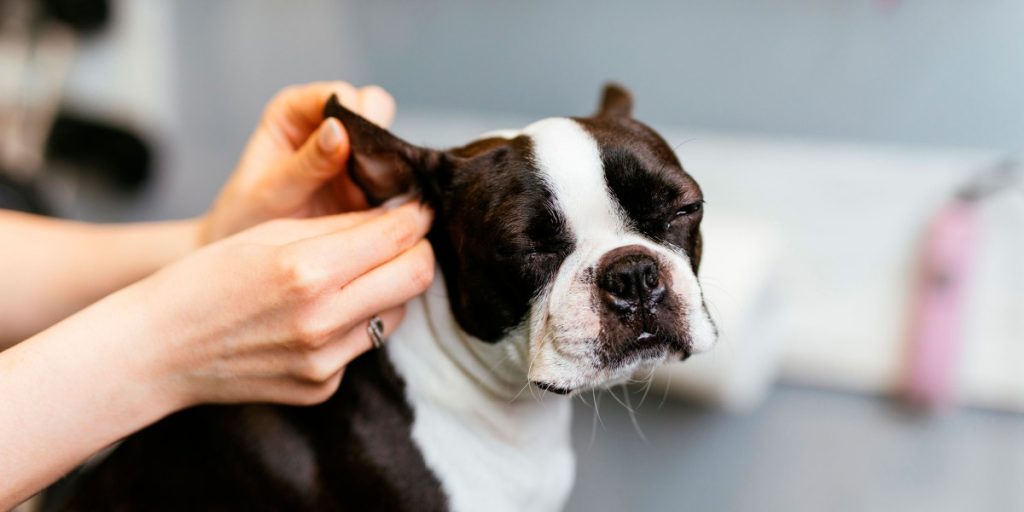
Ear care is one of those aspects of pet grooming that often gets overlooked until there’s a problem. I used to think that as long as my pet wasn’t scratching at their ears or shaking their head excessively, everything was fine. Over time, I learned that regular ear cleaning is just as important as brushing their coat or trimming their nails. Skipping it can lead to infections, discomfort, and long-term hearing problems.
I make ear checks and cleaning part of our regular care schedule, and I’ve seen firsthand how much healthier and happier my pets are because of it. It’s not just about hygiene, it’s about preventing painful issues before they start. By understanding what to look for, how to clean properly, and when to seek professional help, ear care can be a simple and effective routine.
Why Ear Health Matters
A pet’s ears are delicate, and they do a lot more than just help them hear. The structure of the ear, especially in dogs and cats, can trap dirt, debris, and moisture, creating the perfect environment for bacteria and yeast to grow. I’ve noticed that pets with floppy ears or heavy fur around the ear canal are even more prone to these issues.
Ignoring ear care can lead to chronic infections, which are not only painful but also costly to treat. I’ve had friends whose pets suffered from repeated ear problems simply because cleaning wasn’t part of their routine. That’s when I truly began to appreciate the importance of routine ear cleaning, it’s a proactive step toward overall wellness.
Spotting Early Signs of Trouble
One of the best things about making ear care a habit is that I catch problems early. If I see redness, swelling, or a foul smell, I know it’s time to address it before it becomes worse. Excessive wax buildup, discharge, or consistent scratching are other signs that the ears need attention.
Sometimes, my pets will shake their heads more than usual if something is irritating them. By checking their ears weekly, I can spot these signs quickly and take action, whether that means cleaning at home or booking a vet appointment.
How Often to Clean
The frequency depends on the pet, their lifestyle, and their breed. My active dog who loves swimming needs ear cleaning more often than my indoor cat. For him, moisture from swimming can cause problems if left unchecked. For my cat, a monthly cleaning is usually enough unless she’s had a particularly dusty adventure exploring the house.
The goal is to keep the ears free from excess wax and debris without over-cleaning, which can actually cause irritation. I’ve learned to base the schedule on observation, if the ears look clean and healthy, I don’t force it.
Choosing the Right Products
I use vet-approved ear cleaning solutions specifically designed for pets. Human ear products or harsh chemicals can damage the delicate skin inside their ears. For me, it’s worth spending a little extra on a safe, effective cleaner.
Some formulas are designed to dry quickly, which is helpful for dogs who swim. Others have soothing ingredients like aloe or chamomile, which can be great for pets with sensitive skin. I always read labels carefully and follow the instructions exactly.
Setting the Stage for Cleaning
Before I even start cleaning, I make sure my pet is calm. I pick a quiet time of day when they’re relaxed, often after exercise or a meal. I gather all my supplies: the ear cleaner, cotton pads or gauze, and treats for after.
I’ve found that sitting on the floor with my pet between my legs gives me better control without making them feel trapped. The key is to make it as stress-free as possible so they learn to tolerate, or even enjoy, the process.
Step-by-Step Cleaning
When I clean, I gently lift the ear flap to get a clear view of the ear canal. I never insert anything deep inside, cotton swabs can push debris further in and cause damage. Instead, I apply the cleaner according to the instructions, massage the base of the ear for 20–30 seconds, and let my pet shake their head.
That shaking helps loosen and bring debris to the outer part of the ear, where I can wipe it away with a cotton pad or gauze. If I see anything unusual, blood, heavy discharge, or swelling, I stop and call my vet.
Making It a Positive Experience
I want my pets to associate ear cleaning with something good. I use plenty of gentle praise during the process and reward them with a favorite treat afterward. Over time, they’ve gone from resisting to sitting patiently while I work.
Consistency helps, when cleaning becomes part of our normal grooming time, it stops feeling like a big, scary event.
Breed and Lifestyle Considerations
Not all pets have the same ear care needs. Breeds with floppy ears like Cocker Spaniels or Basset Hounds are more prone to moisture buildup. Breeds with narrow ear canals, such as Shar Peis, can also have more issues with wax and debris.
Active dogs that swim or run through tall grass may need more frequent checks. Even cats, though generally lower maintenance when it comes to ears, can develop problems if they have allergies or get into dusty spaces.
Preventing Common Problems
Regular cleaning helps prevent some of the most common ear issues:
- Ear infections caused by bacteria or yeast.
- Ear mites, which are more common in cats but can affect dogs.
- Foreign objects like grass seeds or dirt lodged in the ear canal.
By staying ahead of these problems, I avoid expensive vet bills and keep my pets comfortable.
When to See the Vet
Even with routine cleaning, there are times when professional help is needed. If my pet is in obvious discomfort, if there’s a strong odor, or if I notice discharge that isn’t just wax, I make a vet appointment.
Sometimes, what looks like a minor issue can be a sign of something more serious, like an ear canal tumor or a deep infection. It’s always better to get a professional opinion than to guess.
Avoiding Over-Cleaning
Too much cleaning can cause irritation, especially if the solution strips away natural oils. I’ve learned to find a balance, enough to keep the ears healthy, but not so much that I’m creating new problems.
This is another reason why I check my pet’s ears regularly but only clean when it’s actually needed.
Ear Cleaning for Puppies and Kittens
Starting young makes the process easier. I handle my puppy’s ears gently during play, getting him used to the sensation before I even introduce cleaner. For kittens, short sessions and extra rewards go a long way toward building positive associations.
The earlier they get used to it, the less resistance there will be as they grow.
My Routine in Practice
For my dog, ear checks happen once a week. I lift each ear, check for dirt, wax, or redness, and clean if needed. For my cat, I check every two weeks and clean about once a month. The whole process takes only a few minutes, but it saves us a lot of trouble in the long run.
The importance of routine ear cleaning has become clear to me because I’ve seen the difference it makes. Fewer vet visits, happier pets, and peace of mind, it’s worth the small effort.
Tips That Make It Easier
A few things have helped me streamline the process:
- Keep supplies in one place so I’m never searching for them.
- Work in a well-lit area to see better.
- Use treats before, during, and after to keep it positive.
- Take breaks if my pet seems stressed.
Final Thoughts
The importance of routine ear cleaning can’t be overstated. It’s one of those preventive steps that makes a huge difference in a pet’s comfort and health. By checking regularly, cleaning properly, and knowing when to call the vet, I keep ear problems from ever becoming serious.
It’s a small investment of time that pays off in fewer infections, better hearing, and a happier pet. Ear care isn’t just a grooming task, it’s a key part of responsible pet ownership, and it’s one I’ll never skip again.