
 By
Kelley Kelly
By
Kelley Kelly
Each season brings its own set of grooming challenges and adjustments for pets. The weather shifts, daylight hours change, and animals respond in ways that affect their coat, skin, and overall comfort. Over the years, I’ve come to realize that seasonal grooming isn’t just about aesthetics; it’s about meeting the changing needs of pets so they stay healthy and happy throughout the year.
When temperatures rise or fall, pets’ bodies adapt. This means their grooming routines should adapt as well. Shedding patterns, bathing frequency, coat length, paw care, and even ear cleaning can vary with the seasons. By making thoughtful adjustments, I’ve been able to prevent problems before they start and keep my pets feeling their best year-round.
Why Seasonal Changes Affect Grooming
The most obvious shift from season to season is coat thickness. Many pets shed heavily in spring and fall as they prepare for the extremes of summer and winter. This natural cycle is part of their biology, but it can create extra work for us as owners. Shedding also affects skin health, so addressing it promptly keeps pets comfortable.
Humidity levels also impact grooming needs. In summer, higher humidity can lead to skin irritation, while dry winter air can cause flakiness and itchiness. These environmental changes influence how often I brush, bathe, and moisturize my pets’ skin and coat.
Spring Grooming Adjustments
Spring marks the beginning of a major shedding season for many animals. I’ve learned that stepping up brushing sessions during this time helps remove loose fur before it ends up all over the house. A deshedding tool becomes my best friend during these weeks.
This is also when I check for mats forming in the undercoat. If left alone, these can tighten and pull on the skin, causing discomfort. Regular grooming sessions break up tangles early and make pets feel lighter and cooler as the weather warms.
Allergies are another spring concern. Pollen can cling to fur, so I bathe my pets more often to remove irritants. I also pay close attention to paws, which may collect allergens during walks.
Summer Grooming Adjustments
Summer heat requires special care to prevent overheating and skin issues. While it may be tempting to shave long-haired pets, I’ve learned that their coats often provide natural protection against sunburn and heat. Instead, I focus on trimming for neatness while leaving enough length for protection.
Bathing becomes more frequent during summer to wash away sweat, dirt, and any salt or chlorine from swimming. I also make sure my pets dry completely after baths or swims to avoid fungal infections in the skin.
Paw pads can suffer in hot weather, especially on asphalt or sand. I use a paw balm to keep them from cracking and always check for signs of burns.
Fall Grooming Adjustments
In the fall, pets often begin growing their winter coats. This means shedding another layer of fur in preparation for the new growth. Brushing regularly during this transition keeps the coat clean and healthy, preventing mats before they form.
Fall is also a good time for a thorough check of grooming tools. I sharpen clipper blades, replace worn brushes, and restock shampoos so I’m ready for the increased grooming demands of winter.
Because cooler weather can bring pests indoors, I make sure my pets are protected from fleas and ticks. Part of my grooming routine includes checking for any signs of parasites and addressing them immediately.
Winter Grooming Adjustments
Cold weather affects both coat and skin. I notice my pets’ skin tends to become dry in winter, so I switch to moisturizing shampoos and limit bathing to avoid stripping natural oils. Brushing is still important, as it stimulates the skin and distributes those oils evenly.
Ice, snow, and salt can be rough on paws. I trim the fur between paw pads to prevent ice buildup and rinse paws after walks to remove any salt or de-icing chemicals. This small step prevents irritation and discomfort.
For pets that spend time outdoors in winter, I avoid cutting their coat too short. The extra length provides insulation against the cold.
Adjusting Grooming Frequency
One of the most useful lessons I’ve learned is that grooming schedules can’t be rigid. Seasonal grooming requires flexibility. In spring and fall, I brush daily to manage heavy shedding. In summer and winter, I focus more on bathing, skin care, and paw protection.
This adaptability ensures I’m always addressing my pets’ immediate needs instead of following a one-size-fits-all routine.
Grooming Tools for All Seasons
While I adjust my approach throughout the year, certain tools remain essential. A slicker brush, deshedding rake, nail clippers, and pet-safe shampoo are always in my kit. Seasonal additions include moisturizing sprays for winter, allergy wipes for spring, and paw balm for summer and winter.
I’ve found that investing in quality tools makes seasonal grooming easier. Well-made brushes remove more fur with less effort, and good shampoos keep the coat and skin healthier, reducing the need for additional treatments.
Seasonal Skin and Coat Health
Monitoring skin condition is a year-round responsibility. In summer, I watch for hot spots or rashes caused by heat and moisture. In winter, I look for dry patches or dandruff. Each season has its risks, but staying proactive helps avoid more serious problems.
Diet also plays a role in coat health, no matter the time of year. I make sure my pets are getting the right nutrients to support healthy skin and fur. Supplements like omega-3 fatty acids can be especially helpful during dry winter months.
Bathing Adjustments by Season
Bathing frequency depends on coat type, lifestyle, and season. In muddy spring weather, baths happen more often to remove dirt and allergens. In summer, swimming often replaces some baths, but I still rinse my pets afterward to prevent skin irritation.
Winter calls for fewer baths, and when I do bathe, I use warm water and moisturizing shampoo to protect against dryness. I always dry pets thoroughly to prevent chills.
Ear and Eye Care Year-Round
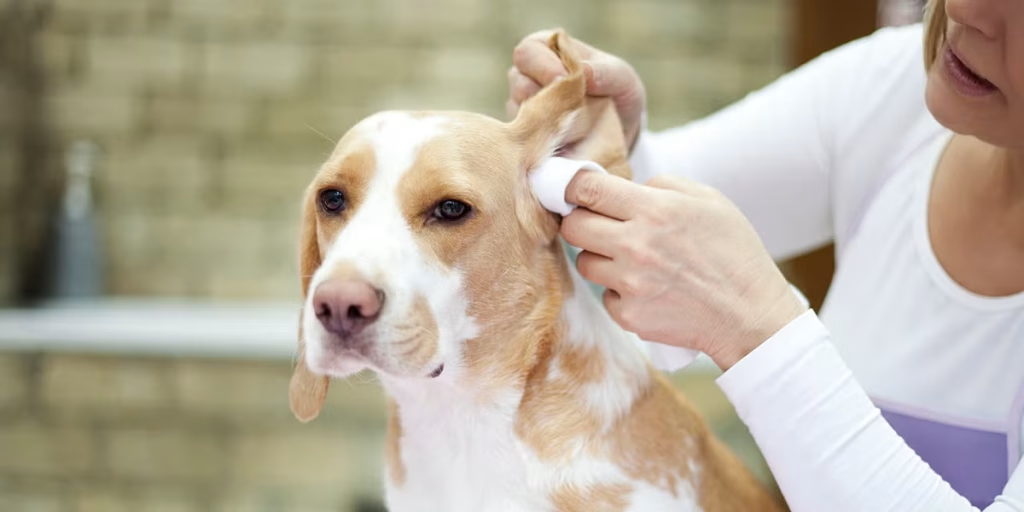
Ear care is part of every seasonal grooming routine. In warmer months, I check ears more frequently for signs of yeast or bacterial infections, especially after swimming. In colder months, I make sure ears are dry and clean to avoid infections caused by trapped moisture.
Eyes need attention year-round as well. Seasonal allergies in spring and summer can cause extra tearing, so I keep soft wipes on hand. In winter, I watch for debris from dry air or indoor heating.
Nail Care Through the Seasons
Nail growth can vary depending on activity levels, which often change with the seasons. Pets may wear down nails naturally in summer when walking on rough surfaces, but winter walks on snow or soft ground don’t provide the same effect. I adjust trimming frequency accordingly to keep nails from becoming too long.
The Role of Professional Groomers
Even with a solid home routine, I find professional grooming helpful during seasonal transitions. Groomers have tools and skills that make deep cleaning, undercoat removal, and coat trimming more efficient. I often schedule a professional session in spring to handle the heaviest shedding and in fall to prepare my pets for winter.
Making Seasonal Grooming Stress-Free
Not all pets love grooming, especially when routines change. I’ve learned to introduce adjustments gradually. For example, if I need to increase brushing in spring, I add a few extra minutes each session rather than jumping straight to long grooming marathons.
Positive reinforcement is essential. Treats, praise, and a calm environment help my pets associate grooming with something pleasant, no matter the season.
Benefits Beyond Appearance
Seasonal grooming is about health as much as looks. It prevents matting, manages shedding, supports skin health, protects paws, and reduces the risk of parasites. More importantly, it strengthens the bond I have with my pets through regular, caring attention.
By adjusting my grooming routine to match the time of year, I can give my pets the best possible comfort and care. They look better, feel better, and stay healthier as a result.
Final Thoughts
Seasonal grooming is an ongoing process of observation and adjustment. The weather changes, my pets’ needs change, and my grooming approach changes with them. By staying attentive and flexible, I’ve been able to create routines that support their health all year long.
From shedding brushes in spring to moisturizing shampoos in winter, each season brings unique requirements. Addressing them makes life easier for me and far more comfortable for my pets. This is one area of pet care where paying attention to the small details makes a big difference, and the rewards are well worth the effort.