
 By
Kelley Kelly
By
Kelley Kelly
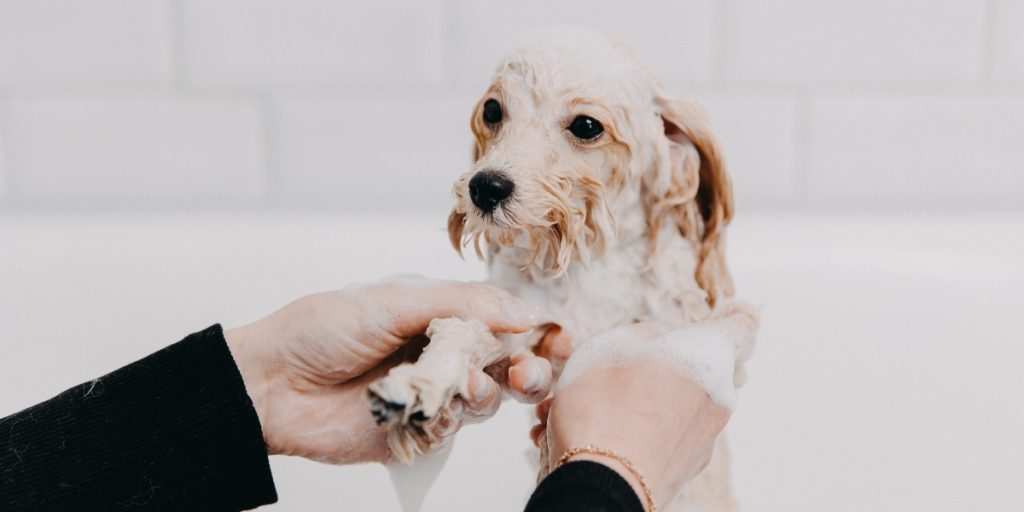
Maintaining a clean environment for pets is crucial for their health and comfort. Over the years, I have realized how much difference consistent care makes in the lives of my pets. Routine cleaning for pet bedding and bowls is one of the simplest yet most effective ways to prevent illness, reduce odors, and create a comfortable space that pets enjoy returning to every day.
Pets spend a significant amount of time in their bedding, and they eat and drink from bowls that come into direct contact with food and saliva. Dirt, bacteria, and even mold can accumulate if these items are not cleaned regularly. I’ve learned that a regular routine not only promotes hygiene but also strengthens the bond with pets by ensuring they live in a safe and pleasant environment.
Why Routine Cleaning Matters
Pets are susceptible to a variety of infections and parasites, and I’ve noticed that many minor health issues stem from neglected bedding and bowls. Dirty bedding can harbor fleas, ticks, and mites, while unclean bowls may develop bacterial colonies that lead to digestive problems or more serious illnesses.
I discovered that maintaining a schedule for washing pet bedding and bowls drastically reduces these risks. Beyond health, routine cleaning also improves the overall comfort of my pets. They are more relaxed and enjoy lounging in clean, soft bedding, and they approach mealtime eagerly when their bowls are fresh and hygienic.
Creating a Cleaning Schedule
A consistent schedule is key to effective hygiene. I set aside specific days of the week for washing bedding and bowls. For example, I wash bowls daily or every other day and bedding once a week. This regularity prevents dirt and bacteria from accumulating and keeps my pets comfortable.
I also track seasonal needs. In warmer months, I may increase the frequency of washing because of higher bacterial growth or shedding. Adjusting the routine ensures that hygiene remains effective year-round.
Washing Pet Bedding
Pet bedding comes in various materials, including cotton, polyester, and fleece. I always check the care label first to ensure the correct washing method. Machine-washable bedding is the easiest, but delicate items require gentle hand washing.
I remove hair, dirt, and loose debris before washing. Using a vacuum or lint roller helps collect hair from large beds, while smaller mats or cushions can be shaken outside to remove dirt. Afterward, I use a mild, pet-safe detergent and wash on a warm cycle, which helps eliminate bacteria and odors.
Drying is equally important. I either tumble-dry bedding on a low heat setting or air-dry in a sunny spot. Sunlight naturally kills some bacteria and dries moisture completely, preventing mold or mildew. I’ve found that letting bedding fully dry before putting it back ensures a fresh, hygienic space for my pets.
Cleaning Pet Bowls
Pet bowls require frequent attention because they come into contact with food and saliva, which can be breeding grounds for bacteria. I clean bowls at least once a day for wet food and after each meal for dry food, using warm water and a mild dish soap.
For deeper cleaning, I use a scrub brush to reach corners and edges where residue accumulates. Stainless steel bowls are ideal because they are durable and resistant to bacterial buildup. I occasionally sanitize bowls with a vinegar solution or a pet-safe disinfectant, especially if a pet has been ill.
I’ve also learned to separate food and water bowls to prevent cross-contamination. Keeping multiple bowls clean ensures that pets always have access to fresh water and safe feeding conditions.
Dealing with Odors
Odors are a common problem if routine cleaning is neglected. I’ve noticed that even small accumulations of hair or food particles can produce unpleasant smells. Regular washing of bedding and bowls eliminates this problem effectively.
Adding a small amount of baking soda during washing or using a pet-safe deodorizing spray can further reduce lingering odors. I make sure any cleaning agents are safe for pets, as harsh chemicals can irritate their skin or respiratory system.
Maintaining Hygiene Between Washes
Even with regular cleaning, it’s important to manage hygiene daily. I sweep or vacuum around bedding areas, shake out mats, and rinse water bowls regularly. Quick wipe-downs with warm water or pet-safe wipes can remove surface dirt and keep spaces sanitary between full cleaning sessions.
I also inspect bedding and bowls for damage. Torn fabric or deep scratches can harbor bacteria and reduce cleanliness, so replacing worn items is part of my routine maintenance.
Special Considerations for Multi-Pet Households
In homes with multiple pets, routine cleaning becomes even more important. I make sure each pet has its own bedding and feeding bowls. Sharing can increase the risk of infections and create territorial disputes.
I clean each set separately and monitor for signs of stress or illness. Observing how pets interact with their clean spaces helps me adjust the cleaning schedule and ensure hygiene remains effective for everyone.
Seasonal Adjustments
Seasonal changes can affect the frequency and method of cleaning. During shedding season, I vacuum bedding more often to remove excess hair and prevent matting. In warmer months, I increase washing frequency for both bowls and bedding due to faster bacterial growth and potential for odors.
Cold weather may require more frequent inspection of bedding for dampness from indoor humidity or condensation. Adjusting routines based on environmental conditions keeps pets comfortable and healthy year-round.
Using Pet-Safe Products
Selecting safe cleaning products is critical. I avoid harsh chemicals or detergents with strong fragrances. I’ve found that mild, unscented, or pet-specific cleaners work best. Pets often lay or drink immediately after cleaning, so using safe products prevents skin irritation or ingestion of harmful residues.
For deep cleaning, vinegar, baking soda, and warm water are natural options that effectively disinfect and deodorize. I rely on these whenever possible to maintain hygiene without exposing pets to toxic substances.
Handling Stains and Accidents
Accidents happen, and stains on bedding are inevitable. I address them immediately to prevent odors and bacterial growth. I blot liquids rather than rubbing, which spreads the stain, and then wash the bedding as usual.
For tougher stains, I pre-soak bedding in a pet-safe solution or use enzyme-based cleaners. These products break down organic matter and are safe for pets, ensuring that bedding is clean and fresh after every accident.
Encouraging Pets to Keep Their Areas Clean
Routine cleaning is easier when pets respect their bedding and bowls. I’ve found that placing food and water bowls in designated areas reduces spills, and teaching pets to use certain spots for resting helps maintain clean bedding.
Positive reinforcement works here as well. Praising pets for eating neatly or using their bedding appropriately encourages habits that make routine cleaning more manageable.
The Role of Observation
Routine cleaning also allows me to monitor my pets’ health. I can notice changes in appetite, behavior, or body condition by observing how they interact with their bowls and bedding.
For example, excessive drooling or residue in the water bowl may indicate dental issues, while unusual dirt or stains on bedding may signal skin problems or accidents. Cleaning gives me an opportunity to detect and address health concerns early.
Storing Clean Bedding and Bowls
After cleaning, proper storage ensures hygiene is maintained. I store spare bedding in a dry, clean area to prevent contamination before use. Bowls are kept in cupboards or on clean surfaces until needed.
I also rotate bedding and bowls when possible. Having extra sets allows me to maintain a consistent routine without compromising cleanliness. Pets benefit from a fresh, sanitary environment every day.
Creating a Routine Checklist
I maintain a simple checklist for routine cleaning for pet bedding and bowls. Daily tasks include rinsing and washing bowls, wiping down food areas, and quick inspection of bedding. Weekly tasks involve full washing of bedding, deep cleaning of bowls, and replacing any worn items.
Having a clear schedule helps me stay consistent and ensures that nothing is overlooked. Over time, it becomes second nature, and pets enjoy a clean and healthy living space without disruption.
Benefits Beyond Cleanliness
Regular cleaning has benefits beyond hygiene. Pets seem happier, more relaxed, and more comfortable in their spaces. I’ve noticed they are more eager to eat from clean bowls and settle into freshly washed bedding without hesitation.
Routine cleaning also strengthens the bond with pets. They sense the care and attention I put into maintaining their environment, which builds trust and reassurance. Clean spaces make our interactions more enjoyable and stress-free.
Common Mistakes to Avoid
One mistake I often see in pet care is inconsistent cleaning. Skipping sessions or delaying washing allows bacteria and odors to build up. I’ve learned that sticking to a schedule is key to effective hygiene.
Another common error is using harsh chemicals or ignoring manufacturer instructions. Always ensure products are safe and appropriate for the material of the bedding or bowl. This protects pets’ health and extends the life of their items.
Final Thoughts
Routine cleaning for pet bedding and bowls is a simple yet powerful way to enhance the health, comfort, and happiness of pets. Consistency, safe cleaning products, and attention to detail create an environment where pets thrive.
By maintaining a regular schedule, observing pets for changes, and adapting routines to seasonal or household needs, I’ve kept my pets healthy and comfortable. The benefits go beyond hygiene, fostering stronger bonds and a more harmonious living space.
For anyone seeking to elevate their pet care routine, prioritizing the cleanliness of bedding and bowls is one of the most effective steps. Pets respond positively to a clean, safe environment, and routine cleaning ensures they live their healthiest and happiest lives.