
 By
Kelley Kelly
By
Kelley Kelly
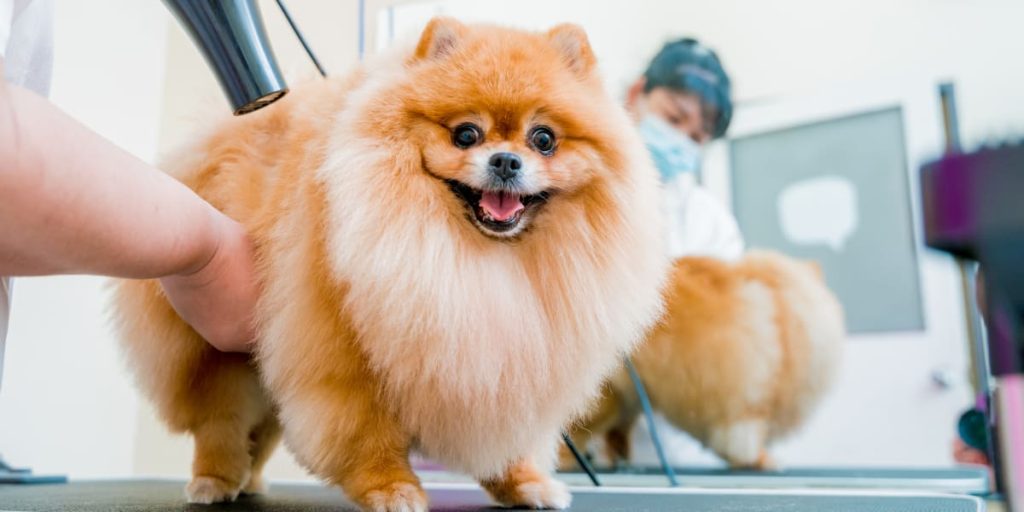
Creating structure in a pet’s day has transformed how I manage their energy, health, and behavior. Building the perfect daily routine for your pet is not about rigidity; it’s about consistency, balance, and attention to their physical and emotional needs. Over time, I’ve seen how a well-structured routine reduces anxiety, prevents behavioral issues, and strengthens the bond I share with my pets.
Establishing a Morning Start
I begin each day with a predictable morning routine. For my pets, this means feeding, a short walk, and some interactive play. I noticed that when I start the day consistently, my pets feel secure and are more receptive to other activities throughout the day.
Feeding in the morning provides the energy they need for exercise and mental stimulation. I make sure the feeding schedule is consistent, so they know when to expect meals, which reduces begging and stress.
Morning walks or play sessions give them a chance to release pent-up energy. I combine physical activity with basic training commands, reinforcing good behavior while allowing them to burn calories and stretch muscles.
Incorporating Play and Mental Stimulation
After the initial morning activities, I dedicate time to structured play and mental stimulation. Pets, especially dogs and cats, need more than physical exercise, they thrive on challenges that engage their minds.
I use puzzle toys, treat-dispensing games, and hide-and-seek activities to keep their minds sharp. Short, frequent sessions work best, as they prevent overstimulation and maintain interest. I have found that these activities improve focus, reduce destructive behavior, and contribute to overall happiness.
Midday Breaks and Rest
I schedule quiet periods during the middle of the day. Pets need rest to recover from morning activity and to prevent stress. I create a comfortable environment with cozy bedding, soft music, and dim lighting.
During this time, I avoid loud noises and interruptions. I notice that my pets sleep better at night and are more relaxed after a mid-day break. This rest period also gives me a chance to catch up on household tasks while knowing they are comfortable and safe.
Feeding and Exercise in the Afternoon
For the afternoon, I usually plan a smaller meal or snack and a brief exercise session. This could be a walk, play in the yard, or training exercises. I have observed that pets benefit from splitting their activity into two main sessions, which helps maintain energy levels and prevents overexertion.
Exercise doesn’t need to be intense; even moderate activity promotes cardiovascular health, strengthens muscles, and helps with weight management. I also take this time to reinforce training commands, using treats as rewards. This keeps learning fun and consistent.
Grooming and Hygiene
Part of building the perfect daily routine for your pet includes hygiene and grooming. Depending on the type of pet, I incorporate brushing, paw care, or light coat maintenance.
Short grooming sessions daily prevent matting, reduce shedding, and give me a chance to inspect their skin for irritations or parasites. I also use these moments to bond with my pets, offering gentle strokes and praise. This makes grooming an enjoyable part of their day rather than a chore.
Socialization Opportunities
Pets, particularly dogs, benefit from social interactions. I try to incorporate time for them to meet other pets or people safely. Socialization helps reduce anxiety, prevents fear-based behaviors, and contributes to overall happiness.
I plan these sessions carefully, observing my pet’s comfort levels and adjusting as needed. Some pets thrive in group settings, while others prefer one-on-one interactions. By respecting their preferences, I maintain positive experiences and build confidence.
Evening Wind-Down
As the day progresses, I establish a calm evening routine. This may include gentle play, quiet interaction, or a short walk. The goal is to signal to my pets that the day is winding down, helping them transition into a restful night.
I often include a small meal or treat in the evening. This helps maintain a sense of consistency and rewards good behavior throughout the day. Evening interactions are generally quieter, focusing on affection and calm bonding rather than high-energy activities.
Bedtime Consistency
I ensure that bedtime occurs around the same time each night. Pets thrive on predictability, and a consistent bedtime helps regulate their internal clocks. I create a comfortable sleeping environment with soft bedding, minimal noise, and familiar scents.
Before sleep, I perform a quick check to ensure my pets have had adequate exercise, bathroom breaks, and water. This reduces nighttime restlessness and helps maintain their overall well-being.
Adjusting for Different Pets
While building the perfect daily routine for your pet, I consider individual needs. Cats, dogs, and small mammals have different activity levels, energy patterns, and grooming requirements. I tailor routines to accommodate these differences, ensuring every pet benefits fully.
For example, cats often enjoy short bursts of play throughout the day, while dogs may require longer, structured sessions. Small mammals may need quieter environments and gentle handling. Adjusting for each pet’s natural rhythm prevents stress and keeps the routine effective.
Health Monitoring Through Routine
A well-structured daily routine allows me to monitor my pet’s health closely. Regular feeding, exercise, and grooming reveal subtle changes in appetite, mobility, or coat condition.
Noticing early signs of health issues enables me to address concerns promptly. Building the perfect daily routine for your pet ensures that observation becomes an integral part of care rather than an afterthought.
Balancing Flexibility and Structure
While consistency is essential, I have learned that flexibility is equally important. Some days require adjustments due to weather, work schedules, or the pet’s mood. I maintain the core elements of the routine but adapt as needed.
This balance prevents the routine from becoming stressful or restrictive. Pets benefit from structure but also need room to express natural behaviors and enjoy spontaneous moments.
Incorporating Training
Training forms an integral part of the daily routine. I dedicate short periods for commands, tricks, and behavioral reinforcement. By integrating training into daily activities, my pets stay engaged, learn consistently, and remain mentally sharp.
Using treats, praise, and patience ensures that training remains positive. I also observe their energy levels and adjust sessions to prevent frustration or fatigue.
Feeding Schedule and Nutrition
I maintain a consistent feeding schedule as part of the routine. Portion control, proper timing, and balanced nutrition contribute to overall health. I space meals to align with activity and rest periods, which aids digestion and prevents overeating.
I also provide fresh water throughout the day, making sure my pets remain hydrated, especially during warmer months or after exercise.
Mental Enrichment
In addition to physical activity, mental enrichment is a crucial part of a daily routine. I rotate toys, introduce scent games, and provide puzzle feeders to stimulate their minds.
Mental challenges reduce boredom, prevent destructive behavior, and strengthen problem-solving skills. Incorporating these activities into the routine makes the day more engaging and fulfilling.
Rewarding Positive Behavior
Positive reinforcement strengthens the routine. I consistently reward desired behavior with treats, praise, or play. This encourages my pets to participate willingly in feeding, exercise, grooming, and training.
Rewards also create a sense of accomplishment and enjoyment, making the daily routine something my pets anticipate rather than tolerate.
Adapting Routines Over Time
As pets age or their needs change, I adapt the daily routine accordingly. Puppies or kittens require more frequent short activities, while senior pets may need gentler exercise and longer rest periods.
Regular reassessment ensures the routine remains effective and appropriate, allowing pets to thrive throughout different life stages.
Building Trust and Bonding
Following a consistent routine enhances trust. Pets learn to rely on me for care, play, and comfort. Daily interactions, structured activities, and gentle handling strengthen our bond.
Building the perfect daily routine for your pet goes beyond logistics, it’s a tool for fostering emotional security, confidence, and mutual understanding.
Preparing for Special Days
Occasionally, special circumstances require adjustments. Vet visits, travel, or holidays may disrupt the usual routine. I prepare in advance by incorporating familiar elements, maintaining key feeding and rest times, and gradually introducing changes to minimize stress.
Flexibility during these times ensures continuity and keeps pets comfortable.
Monitoring Progress
I keep track of behaviors, energy levels, and health markers. Observing trends helps me tweak the routine for optimal results. Consistent routines make deviations easier to detect, providing early insights into potential health or behavioral issues.
Conclusion
Building the perfect daily routine for your pet creates stability, promotes health, and strengthens the bond between us. By balancing feeding, exercise, mental stimulation, grooming, and rest, I ensure my pets’ physical and emotional needs are met consistently.
Flexibility, observation, and positive reinforcement keep the routine enjoyable and effective. Structured routines provide predictability, reduce anxiety, and prevent behavioral problems, while also making care more manageable for me.
Ultimately, the routine I have developed allows my pets to thrive, making each day fulfilling, engaging, and safe. A thoughtfully designed daily schedule transforms ordinary care into a holistic approach that nurtures well-being and strengthens the connection we share.