
 By
Kelley Kelly
By
Kelley Kelly
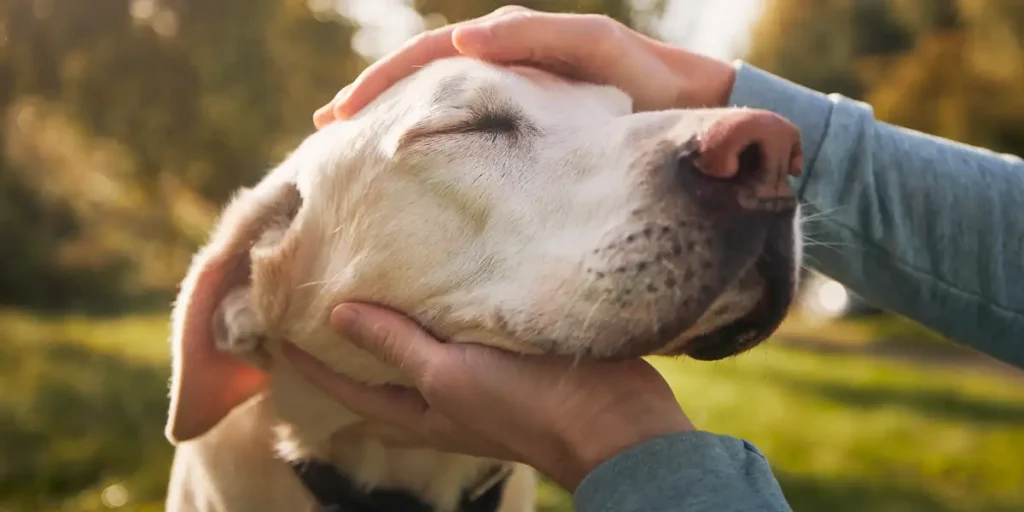
Bringing a new pet into my life is always exciting, but it also comes with a lot of responsibility. Adjusting my daily routine to accommodate a new animal takes planning, patience, and observation. I’ve learned that introducing new pets into your routine smoothly is all about preparation and consistency, helping both my new companion and my existing pets adapt to a shared environment.
Preparing Your Home for a New Pet
Before the new pet even arrives, I make sure my home is ready. I designate a quiet space with a comfortable bed, food, water, and familiar toys. This area becomes a safe haven where the new pet can settle and gradually explore the rest of the house. Preparing these essentials ahead of time prevents stress and helps me manage introducing new pets into your routine smoothly.
I also secure areas that might pose risks, such as exposed wires, fragile decorations, or toxic plants. This ensures that the new pet can explore safely, giving me peace of mind and a controlled environment for their introduction.
Gradual Introduction to Existing Pets
Introducing a new pet to a household that already has animals requires careful planning. I start with scent swapping, exchanging bedding or toys between the new and existing pets. This allows them to become familiar with each other without direct contact.
The first face-to-face meetings are brief and supervised. I keep both pets on leashes or in carriers, depending on their species and temperament. Positive reinforcement, such as treats and praise, encourages calm behavior and helps establish a positive association between the animals. These steps are crucial when introducing new pets into your routine smoothly.
Establishing a Feeding Routine
Food is a major source of comfort and stability for pets. I maintain a consistent feeding schedule for the new pet while keeping existing pets’ routines intact. Separate feeding areas prevent competition and reduce stress.
I pay attention to portion sizes and monitor eating behavior to ensure that both new and existing pets are receiving adequate nutrition. Structured meal times help reinforce a sense of routine, making the transition smoother for everyone.
Creating Play and Exercise Opportunities
Exercise and mental stimulation are essential for reducing anxiety and promoting bonding. I schedule play sessions for the new pet and include existing pets when appropriate. Structured playtime helps prevent behavioral issues and encourages socialization.
Interactive toys, puzzle feeders, and short training sessions keep the new pet engaged while reinforcing positive habits. By providing outlets for energy, I make introducing new pets into your routine smoothly and prevent potential conflicts from pent-up energy.
Maintaining Consistency for Existing Pets
It’s easy to focus solely on the new pet, but I make sure my existing pets continue to receive attention, affection, and routine. Ignoring their needs can lead to jealousy, stress, or behavioral problems.
I schedule one-on-one time with each pet, ensuring that everyone feels valued and secure. Maintaining consistency in walks, feeding, and play supports a stable household environment, making the integration of the new pet much smoother.
Managing Stress and Anxiety
Transitions can be stressful for all pets involved. I watch for signs of anxiety, such as pacing, hiding, excessive grooming, or vocalization. Providing safe spaces, familiar toys, and comfort items helps pets feel secure.
I also use calming techniques, such as pheromone diffusers or soft background music, to reduce tension during the adjustment period. These tools help me manage introducing new pets into your routine smoothly by minimizing stress-related behaviors.
Training and Positive Reinforcement
Early training establishes expectations and encourages good behavior. I begin with basic commands and house rules, rewarding positive actions with praise or treats.
Consistency is key. By reinforcing desirable behavior from the start, the new pet learns how to behave in their new home. Training also reduces misunderstandings between pets and humans, which is vital for a smooth integration.
Monitoring Health and Veterinary Care
Bringing a new pet into the home requires attention to health. I schedule a veterinary checkup shortly after arrival to ensure vaccinations are up-to-date and to screen for any underlying health issues.
I also monitor eating habits, elimination patterns, and energy levels. Prompt attention to health concerns prevents complications and supports a smooth transition when introducing new pets into your routine smoothly.
Setting Boundaries and Safe Spaces
Each pet needs clear boundaries and safe spaces. I provide separate sleeping areas, feeding stations, and resting spots, allowing pets to have autonomy within the shared environment.
This approach reduces competition and stress, giving pets the choice to interact or retreat. Clear boundaries also help me manage interactions and maintain harmony during the adjustment period.
Gradual Expansion of Interaction
I introduce shared spaces gradually, allowing pets to interact under supervision. Short periods of supervised play or exploration help build comfort and familiarity.
If tensions arise, I separate the pets and try again later. Gradual exposure prevents fear or aggression, ensuring that introducing new pets into your routine smoothly does not become overwhelming.
Keeping a Predictable Daily Schedule
Pets thrive on predictability. I stick to established routines for feeding, walks, play, and rest. Even small adjustments in timing can cause anxiety, so maintaining a consistent schedule helps the new pet adapt quickly.
Predictable routines also give existing pets reassurance, minimizing jealousy or behavioral issues. Consistency is one of the most effective tools for managing change in a multi-pet household.
Encouraging Socialization
Socialization is vital for a new pet’s confidence and comfort. I arrange controlled exposure to new people, animals, and environments.
Positive experiences help the new pet develop confidence and reduce fear-based behaviors. For existing pets, this structured socialization ensures they remain comfortable and do not feel threatened by the newcomer.
Observing and Adapting
Even with preparation, each pet reacts differently. I observe body language, behavior, and stress signals closely. Adjustments to routines, space allocation, or interaction schedules are sometimes necessary.
Flexibility allows me to respond to each pet’s needs and ensures a smoother transition. Recognizing when to step back and allow gradual adaptation is key when introducing new pets into your routine smoothly.
Using Tools and Resources
I utilize various tools to assist with integration, such as gates, crates, and leashes for controlled interactions. Puzzle feeders, chew toys, and training aids keep pets mentally stimulated and reduce stress.
I also consult resources such as training guides, pet behaviorists, or online communities for advice and support. Access to guidance makes it easier to navigate challenges and reinforces positive strategies.
Celebrating Small Wins
Integration is a gradual process. I celebrate small milestones, like the new pet eating calmly near existing pets or sharing playtime without conflict.
Acknowledging progress encourages continued positive behavior and reinforces the stability of routines. These small wins signal that introducing new pets into your routine smoothly is achievable with patience and consistency.
Preventing Resource Guarding
Resource guarding can be a challenge when introducing new pets. I provide multiple feeding areas, water bowls, and toys to prevent competition.
Monitoring interactions and redirecting attention when necessary helps reduce tension and fosters a cooperative environment. Resource management is crucial for peaceful coexistence and smooth routine integration.
Long-Term Integration Strategies
Even after the initial adjustment period, ongoing attention is necessary. I continue to reinforce training, monitor behavior, and maintain routines.
Regular play, exercise, and bonding time for both new and existing pets ensure that relationships remain positive. Long-term consistency makes introducing new pets into your routine smoothly sustainable and enjoyable for everyone involved.
Handling Special Cases
Some pets may have unique needs, such as anxiety disorders, past trauma, or health conditions. I tailor routines and interactions to accommodate these needs, using extra patience, positive reinforcement, and specialized tools if necessary.
Acknowledging individual differences ensures that all pets feel safe, supported, and included in the household routine. This consideration is essential for smooth integration and overall harmony.
Preparing for Visitors and Holidays
Bringing a new pet home around holidays or when expecting visitors requires extra planning. I provide safe spaces, maintain feeding and exercise routines, and supervise interactions.
I also brief guests on appropriate behavior around the pets. Clear communication and structure reduce stress and make introducing new pets into your routine smoothly during busy periods more manageable.
Conclusion
Introducing new pets into your routine smoothly is a process that requires planning, patience, and consistent care. Preparing the home, establishing feeding and exercise routines, and providing safe spaces are foundational steps.
Gradual introductions, socialization, and training encourage positive interactions, while monitoring behavior and health ensures all pets are supported. Maintaining consistency for existing pets, using tools and resources, and celebrating small milestones reinforce harmony and stability.
By taking a thoughtful, structured approach, I ensure that the addition of a new pet strengthens the household dynamic rather than disrupts it. Introducing new pets into your routine smoothly creates a positive, safe, and enriching environment for all animals, helping them thrive together and making the transition a joyful experience.