
 By
Kelley Kelly
By
Kelley Kelly
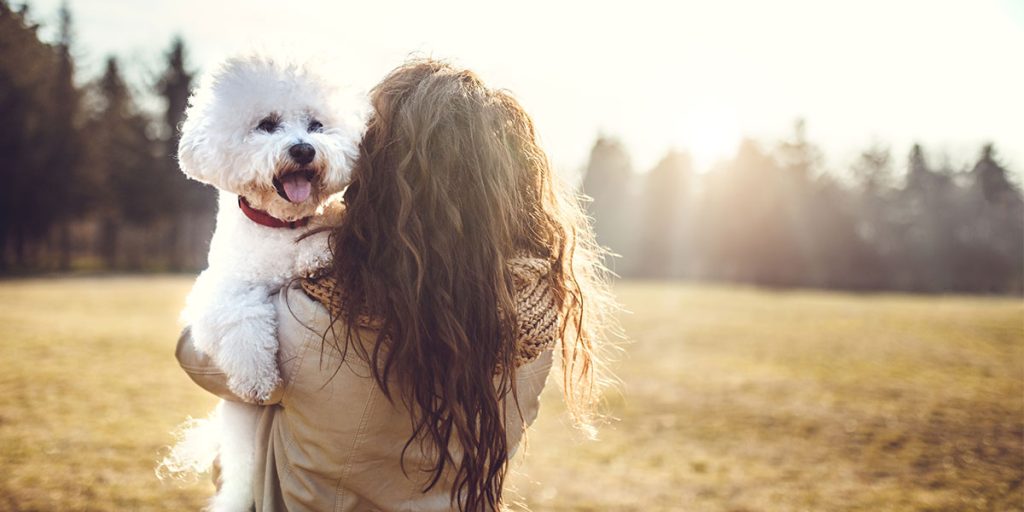
Moving to a new home is stressful for anyone, but it can be especially challenging for pets. Their routines are disrupted, familiar scents disappear, and new environments can trigger anxiety. I’ve found that planning ahead and prepping a smooth routine makes moving with pets much more manageable. Structured steps, attention to comfort, and consistent care help pets adapt to change and feel secure in their new surroundings.
Preparing Your Pets Before the Move
Before packing a single box, I focus on preparing my pets for the upcoming change. This includes reviewing their daily routines, dietary habits, and any behavioral quirks. I schedule extra walks and play sessions to help them expend energy, reducing stress as the moving day approaches.
Acclimating pets to carriers, crates, or travel equipment in advance has proven essential. Dogs and cats both benefit from gradual exposure to confinement, turning these items into safe spaces rather than sources of fear. Pre-move preparation forms the foundation of a smooth routine for moving with pets.
Creating a Moving Plan
I make a detailed moving plan that incorporates my pets’ needs. This includes timelines for feeding, walks, bathroom breaks, and playtime on moving day. I designate a quiet room or safe area where pets can stay while movers handle furniture and boxes.
Having a structured plan helps maintain consistency and reduces anxiety. It also ensures that moving with pets doesn’t become chaotic, allowing me to focus on their comfort and emotional well-being.
Packing Gradually
Gradual packing helps prevent sudden disruptions in routine. I start with non-essential items, leaving familiar spaces accessible to pets. This allows them to navigate the home comfortably while adjusting to changes slowly.
During packing, I maintain regular feeding times and play sessions. Keeping daily activities consistent is a key strategy when moving with pets to minimize stress and maintain a sense of normalcy.
Maintaining Feeding Schedules
Even amidst the chaos of packing, I ensure meals are served at the usual times. Predictable feeding schedules provide comfort and reassurance, signaling that life continues as normal despite the upheaval.
For dogs, I use puzzle feeders to provide mental stimulation, while cats benefit from small, frequent meals. Feeding consistency is a critical component of prepping a smooth routine for moving with pets.
Exercise and Play
Exercise is vital during the moving process. I schedule additional walks or play sessions to help pets release pent-up energy. Dogs enjoy long walks or backyard fetch, while cats benefit from interactive toys and climbing structures.
Active periods prevent restlessness and help pets remain calmer during transitions. Regular activity forms the backbone of a smooth routine when moving with pets, keeping them engaged and comfortable.
Vet Visits and Health Checks
Prior to moving, I schedule vet visits to ensure pets are healthy and up to date on vaccinations. I also discuss travel safety and ask for advice on minimizing stress during relocation.
Having medical records handy is essential, especially if moving to a new city with different veterinary providers. Health preparation supports a smooth transition when moving with pets, reducing potential complications.
Preparing the Travel Environment
I set up the travel environment to prioritize safety and comfort. For car travel, this includes secure crates, familiar blankets, and toys. I avoid feeding immediately before travel to prevent nausea and provide frequent water breaks.
For longer journeys, I plan for regular stops for bathroom breaks and exercise. Preparing the travel environment ensures that moving with pets is as calm and comfortable as possible.
Minimizing Stress During Packing
Pets often pick up on stress during moves. I maintain a calm demeanor and speak softly, reinforcing reassurance. Playing familiar music or leaving comfort items around the home helps reduce anxiety.
Minimizing stress during packing is critical in prepping a smooth routine. Calm energy from me translates to calmer behavior from pets, easing the transition.
Moving Day Management
On moving day, I prioritize keeping pets safe and secure. I place them in a quiet room with food, water, toys, and bedding. This prevents accidental escapes and protects them from the hustle of movers.
If possible, a trusted friend or pet sitter can supervise pets during the move. Having someone focus solely on their care ensures consistency and reduces stress when moving with pets.
Arrival at the New Home
Upon arrival, I immediately set up familiar spaces for pets. Their beds, litter boxes, feeding stations, and toys are placed in designated areas to create a sense of continuity. Introducing one room at a time allows them to explore gradually.
I maintain regular routines for feeding, play, and bathroom breaks. The predictability helps pets adjust quickly and feel secure, which is essential when moving with pets.
Gradual Exploration
I allow pets to explore the new home at their own pace. I supervise dogs during walks around the yard and introduce cats to safe indoor areas gradually. Small, positive experiences encourage curiosity and confidence.
Gradual exploration supports a smooth transition, preventing overwhelm and reducing the likelihood of anxiety-related behaviors. This method is central to prepping a smooth routine when moving with pets.
Maintaining Consistency
Consistency remains crucial in the days following the move. I stick to familiar feeding times, walks, and play sessions, even if the environment is unfamiliar.
Predictable routines reassure pets that their basic needs remain met. Maintaining consistency is a fundamental principle of moving with pets and is vital for their emotional well-being.
Interactive Play and Mental Stimulation
Once settled, I reintroduce interactive play and mental challenges. Puzzle toys, scent games, and climbing structures provide engagement and encourage exploration of the new environment.
Structured play helps pets process change and prevents boredom. Incorporating mental stimulation into the new routine is a key aspect of prepping a smooth routine for moving with pets.
Socialization in the New Environment
Introducing pets to neighbors, new pets, or safe social spaces requires careful planning. I supervise interactions and use positive reinforcement to create pleasant associations with new experiences.
Gradual socialization reduces anxiety and builds confidence, contributing to a successful transition when moving with pets.
Establishing Outdoor Routines
For dogs, I establish consistent routes for walks, bathroom breaks, and exercise. For cats that enjoy outdoor access, I ensure a safe, supervised area is available.
Outdoor routines reinforce familiarity and comfort in the new surroundings. Predictable outdoor schedules are essential when moving with pets, helping them feel secure.
Grooming and Self-Care
Regular grooming and health checks continue during and after the move. Brushing, nail trimming, and hygiene routines provide comfort and a sense of normalcy.
Incorporating grooming into post-move schedules supports well-being and reduces stress, ensuring pets feel cared for despite the change.
Monitoring Behavior
I closely observe my pets for signs of stress, anxiety, or health concerns. Changes in appetite, behavior, or energy levels are addressed promptly.
Monitoring behavior ensures early intervention if needed and supports a smooth adaptation. Attention to these details is crucial when moving with pets.
Creating a Calm Environment
I use familiar bedding, toys, and scents to make the new space feel like home. Calming music or pheromone diffusers can also help reduce anxiety.
A calm environment accelerates adjustment and makes pets more receptive to their new routines. These strategies are essential in prepping a smooth routine when moving with pets.
Positive Reinforcement
I use treats, praise, and affection to reward calm behavior and exploration. Positive reinforcement encourages confidence and helps pets associate the new environment with safety and comfort.
Rewarding adaptation is a key component of successful transitions and contributes to a smooth routine when moving with pets.
Patience and Flexibility
Every pet adjusts differently. I allow extra time for exploration, rest, and play, adapting the routine based on their responses. Patience ensures a stress-free experience and builds trust.
Flexibility combined with consistent routines is crucial when moving with pets. It helps them feel secure while gradually adapting to change.
Settling Into New Daily Routines
Once the new home is established, I continue daily routines for feeding, exercise, play, and grooming. Predictable schedules help pets understand that their daily life remains stable, even in a new environment.
Long-term routine maintenance supports physical and mental health, demonstrating why prepping a smooth routine is critical when moving with pets.
Planning Ahead for Future Moves
Having learned from previous experiences, I document strategies and routines that worked best. This planning allows future moves to be less stressful and more structured.
Recording successful techniques reinforces the benefits of prepping a smooth routine when moving with pets, making transitions easier over time.
Conclusion
Moving with pets requires careful planning, patience, and attention to detail. By preparing pets in advance, maintaining consistent routines, creating safe and familiar environments, and providing mental and physical enrichment, transitions become much smoother.
Structured schedules for feeding, exercise, play, grooming, and rest reduce anxiety, support adaptation, and strengthen bonds. Flexibility, observation, and positive reinforcement are equally important in helping pets thrive in a new environment.
Prepping a smooth routine when moving with pets transforms a potentially stressful experience into an opportunity for comfort, enrichment, and trust. With thoughtful planning and consistent care, pets adjust confidently, and moving becomes a positive experience for both them and their humans.