 By
Kelley Kelly
By
Kelley Kelly
A Simple Routine That Gives You Real Peace of Mind
If you’ve ever watched your pet sleeping peacefully and suddenly felt a wave of worry—What if I’m missing something? — you are not alone with this feeling. This quiet question lives in the hearts of most loving pet parents. It doesn’t come from neglect; it comes from a place of responsibility. Pets can’t tell us when something feels slightly off, and that silence can create anxiety, second-guessing, and guilt for us as owners.
The truth is, doing enough for your pet’s health isn’t about doing more—it’s about knowing what to watch for, and trusting yourself when things look normal. Confidence and peace of mind don’t come from constant monitoring and worry; they come from having a calm, repeatable routine that helps you notice meaningful changes when the occur.
Why Pet Health Worry Is So Common (and Why It Doesn’t Mean You’re Failing)
Most pet parents worry they’ll miss the early signs of illness and this is because our pets are experts at hiding their discomfort. That fear often shows up late at night, after you have read conflicting advice online, or when something small feels “different” but not obviously serious. The more you care, the more you will question yourself.
Information overload makes this worse. One article says a symptom is normal, another says it’s urgent, and suddenly you’re stuck between overreacting and doing nothing. What’s missing isn’t more information—it’s structure. When you have a consistent way to observe your pet, you worry less because you’re no longer guessing.

What a Healthy Pet Actually Looks Like (Hint: It’s About Consistency)
Healthy pets don’t look perfect every day—they look consistent. Confidence comes from knowing your pet’s normal patterns, not from checking for rare diseases. A healthy pet typically has a steady appetite and thirst, predictable bathroom habits, comfortable movement, clear eyes, clean ears, and a stable personality.
Small fluctuations are normal. A skipped meal after a busy day, extra sleep during weather changes, or mild moodiness doesn’t automatically signal a problem. What matters is patterns over time. Subtle, gradual changes—especially when they stack up then they are more important than one off day.
Why Reactive Pet Care Creates More Anxiety Than Peace
Many pet parents unintentionally practice reactive care—waiting for obvious symptoms before paying close attention. This keeps you in a constant state of alert, always wondering if today is the day something goes wrong.
Proactive routines change that dynamic. Instead of scanning for problems, you become familiar with your pet’s baseline and routine. This familiarity is powerful. It allows you to recognize when something truly deserves attention—and just as importantly, when everything is fine.
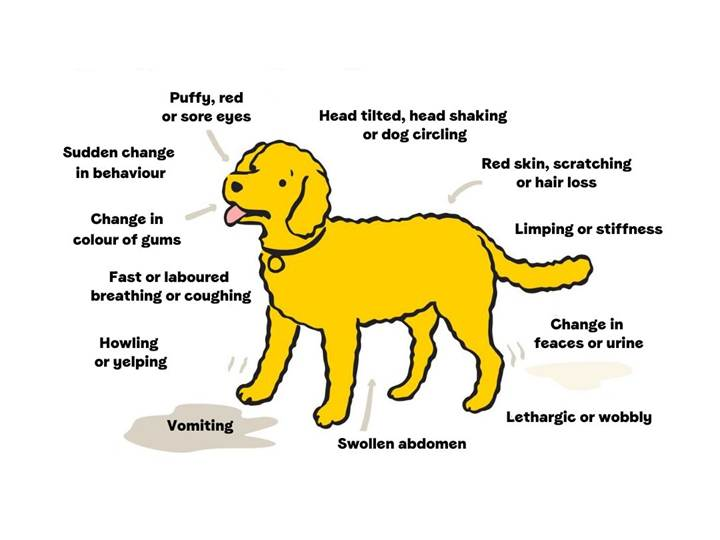
Silent signs of illness often include small shifts: less enthusiasm, subtle withdrawal, changes in grooming, or mild changes in movement. Noticing these early doesn’t mean panicking—it means you’re informed.

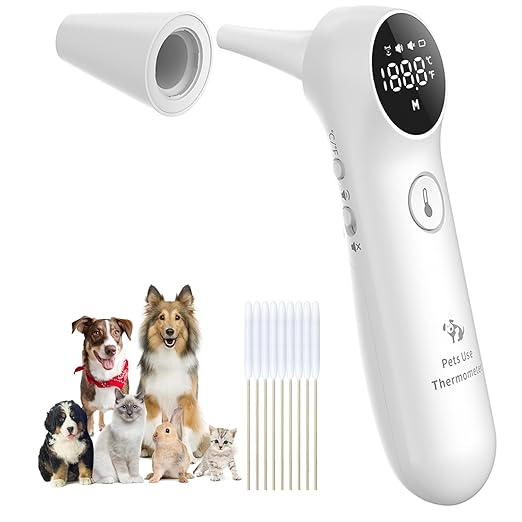
Pet Ear Thermometer for Dogs, Cats, and Livestock, Long Probe Designed, ℃/ ℉ Convert and Sound Switch Dedicated Button, 1 Second Measurement, 20 pcs Pet Swabs Included (White)
- 【mindpet-med Pet Infrared Ear Thermometer Long Probe Design】 For pet ear canals, we innovated a long probe design to measure pets with deeper ear canals for best results.
- 【Fast and accurate infrared thermometer sensor, veterinarian approved ear thermometer】 【Note】 There are many factors that affect the accurate results of temperature measurement, in order to get the best results, please read the notes in advance
- 【Commonly used function dedicated key switch in one second 】 Dedicated c/f switch button, dedicated sound on/off key, eliminating complicated operation process, quickly switch units, and quickly provide silent mode for dogs sensitive to noise.
- 【12 sets of memories】You can check your pet’s health record 【Two batteries power】Battery-powered for easy use
- 【mindpet-med 2-year warranty 】No hassle returns, A 2-year warranty you can trust. Our products are long-lasting products based on quality and style, with no cutting corners, The customer is always the first service tenet, you can trust us, and we also welcome your valuable advice.
.
The 5-Minute Daily Routine That Builds Confidence
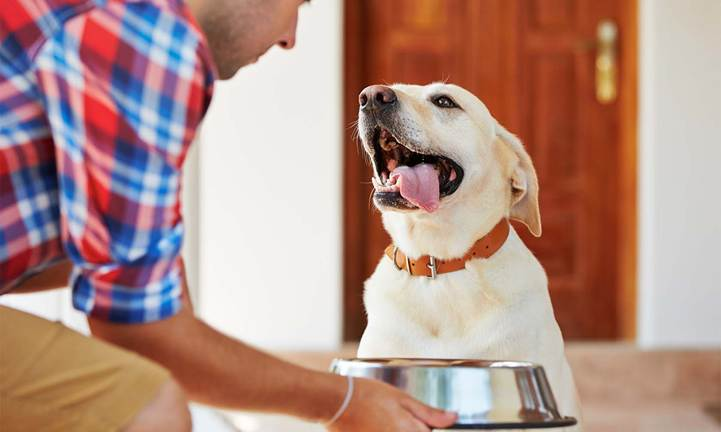
Peace of mind is built through simple habits. Once a day—during feeding, play, or a quiet moment—mentally check five things:
- Appetite & water: Eating and drinking as usual?
- Energy & movement: Moving comfortably and engaging normally?
- Eyes, ears, and nose: Clear, clean, and typical for your pet?
- Bathroom habits: Normal frequency and appearance?
- Mood & behavior: Acting like themselves?
This isn’t an inspection—it’s awareness. If everything looks normal, you stop and enjoy your pet. If something stands out, you make a brief note and move on.
The Weekly Check That Most Owners Skip (and Why It Matters)
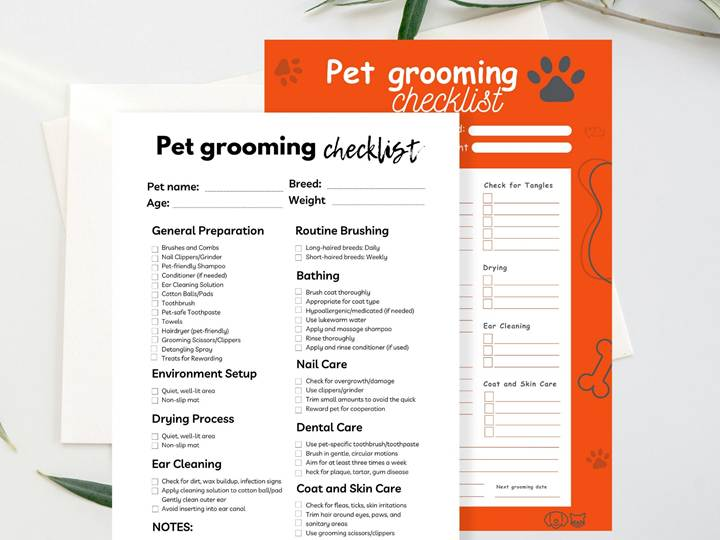
Once a week, a slightly deeper but still gentle check reinforces confidence. Run your hands over your pet’s body, noticing weight, coat texture, skin condition, paws, and nails. Observe behavior trends—sleep, tolerance, routine consistency.
Also consider environmental factors. Schedule changes, stress, weather shifts, or new household activity can all affect health. When you connect these dots weekly, you stop seeing health as mysterious and start seeing it as manageable.
Knowing When to Watch, When to Act, and When to Call the Vet
One of the biggest sources of anxiety is not knowing how serious something is. A simple decision framework removes that stress.
Some signs are best watched as minor changes can resolve quickly. Others deserve a more closer monitoring if they last more than 48 hours. Certain signs should always prompt a call to the vet, such as breathing difficulty, collapse, persistent vomiting or diarrhea, or sudden severe pain.
This clarity prevents both panic and delay.
Why Routines Create Peace of Mind (Not Perfection)
Confidence doesn’t come from doing everything—it comes from doing enough consistently. When you follow a routine, guilt fades because you know you’re paying attention. Second-guessing fades because you understand what’s normal for your pet.
Routines free you emotionally. Instead of constantly evaluating your performance as a pet parent, you trust the system you’ve built.
Adjusting the Routine Through Your Pet’s Life Stages
The same routine works at every stage—only the focus shifts. Young pets require attention for growth and development. Adult pets benefit from stability and maintenance. Senior pets need closer observation of comfort, mobility, appetite, and quality of life.
You don’t need a new system for every phase—just a slightly different lens.
Tracking Health Without Becoming Anxious
You don’t need detailed logs. Short notes only when something stands out are enough. Tracking should reduce stress, not create it. If a tool makes you hyper-focus, simplify. Confidence grows when tracking supports reassurance—not control.
The Truth Most Pet Parents Need to Hear
You are probably doing more than you think.
Good pet parents question themselves because they care.
“Enough” doesn’t mean perfect. It means attentive, consistent, and willing to act when needed. Confidence comes from awareness—not from preventing every possible problem.
The Peace-of-Mind Pet Health Routine
You don’t need to watch everything—just the right things, consistently.
That’s how peace of mind is built.
MyPetsRoutine.com participates in the Amazon Services LLC Associates Program, an affiliate advertising program designed to provide a means for sites to earn advertising fees by advertising and linking to Amazon.com.