
 By
Kelley Kelly
By
Kelley Kelly
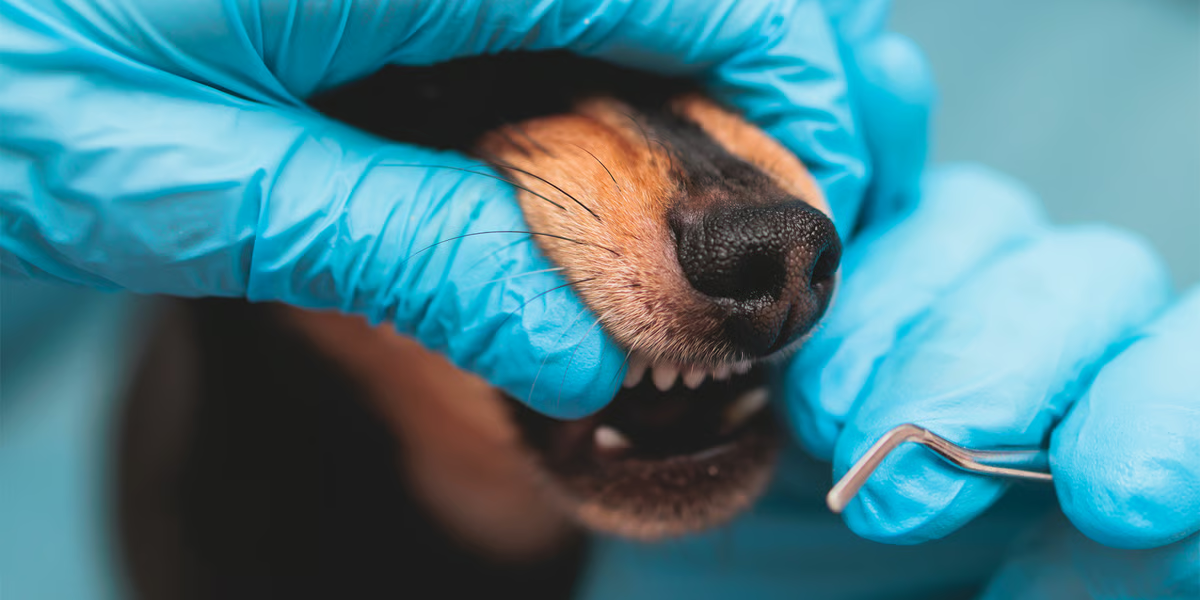
Taking care of my pets’ teeth has become one of the most important aspects of their overall health. I quickly learned that dental care goes far beyond occasional chewing toys or treats. Daily attention, observation, and proper routines make a huge difference in preventing pain, infections, and more serious health problems. Following the ultimate guide to pet dental care has transformed the way I approach their health, giving me confidence that I am protecting them from issues that might otherwise go unnoticed.
Recognizing the Signs of Dental Problems
The first step in maintaining oral health is recognizing early signs of trouble. I pay close attention to changes in my pets’ eating habits, such as reluctance to chew or favoring one side of the mouth. Bad breath is often the first indicator, though it is frequently dismissed as normal. Red, swollen gums, excessive drooling, or bleeding when chewing are more obvious signs. Watching for these symptoms daily has allowed me to intervene before infections develop or teeth are damaged.
Daily Brushing and Cleaning
Brushing has become a core part of our daily routine. I use a pet-friendly toothbrush and toothpaste, which are safe if swallowed, and I make it a consistent part of feeding time. Starting slowly with short sessions helped my pets become comfortable, and over time it became second nature. Brushing not only removes plaque and food debris but also prevents tartar buildup that can lead to more severe health problems. Incorporating brushing into our daily schedule has proven to be one of the most effective practices outlined in the ultimate guide to pet dental care.
The Role of Diet in Dental Health
Diet plays a significant role in oral health. I have learned to provide foods that support teeth and gums, including dry kibble designed to reduce plaque buildup. Certain treats and chews are also effective at naturally cleaning teeth while satisfying my pets’ need to chew. I balance these with fresh water at all times, which helps rinse away particles and reduces the risk of bacterial growth. Monitoring the impact of diet has become an integral part of how I care for my pets’ teeth.
Professional Dental Cleanings
Even with daily brushing, professional veterinary cleanings are essential. I schedule checkups at least once a year, sometimes more frequently for older pets or those with a history of dental problems. These cleanings remove tartar buildup that cannot be managed at home and allow the veterinarian to check for underlying issues such as tooth decay, gum disease, or oral tumors. Regular visits complement home care and are a central element in the ultimate guide to pet dental care.
Dental Toys and Chews
I incorporate dental toys and chew treats as part of their oral care routine. Toys designed to clean teeth while entertaining my pets provide extra support for maintaining healthy gums and reducing plaque. Chewable treats also help strengthen jaws and promote natural cleaning through chewing action. Using these tools in addition to brushing provides a multi-layered approach to dental care, ensuring that pets receive both physical stimulation and oral hygiene benefits.
Observing Behavioral Changes
Behavior often reveals dental discomfort before physical signs become apparent. I watch for reluctance to play, difficulty eating, pawing at the mouth, or sudden irritability. These subtle changes often indicate pain or sensitivity in the mouth. By being attentive to behavior and connecting it to potential oral health issues, I can act quickly to prevent escalation and reduce discomfort.
Gums and Oral Tissue Monitoring
I examine gums and oral tissues regularly. Healthy gums should be pink, firm, and free of swelling or bleeding. Pale, red, or inflamed gums signal possible infection or disease. I also check for sores, growths, or unusual odors. Daily monitoring allows me to notice small changes that might otherwise go undetected and seek veterinary guidance promptly. This hands-on observation is a key practice highlighted in the ultimate guide to pet dental care.
Managing Common Dental Issues
I’ve learned that dental problems can vary widely, from mild plaque buildup to severe periodontal disease. Addressing issues early often involves adjusting oral care routines, incorporating specialized diets, or scheduling professional cleanings. Some pets may require antibiotics or other treatments to resolve infections. Being proactive and attentive allows me to manage these conditions effectively and maintain long-term oral health.
Preventing Future Problems
Prevention is always better than cure. I have developed a routine that combines brushing, professional care, diet, and monitoring to prevent problems before they arise. Regular attention to oral health has minimized emergency visits and ensured that my pets remain comfortable and healthy. Understanding the importance of consistent routines has made prevention a natural part of our daily lives.
Special Considerations for Different Pets
Different pets have different dental needs. Dogs, cats, and smaller animals such as rabbits or rodents all require tailored approaches. I adjust brushing techniques, dental chews, and veterinary care according to species, size, and age. Recognizing these differences ensures that oral care is effective and safe, providing a comprehensive approach in line with the ultimate guide to pet dental care.
Integrating Dental Care Into Daily Life
Incorporating oral hygiene into daily routines has been the key to consistency. I brush, provide chews, observe behavior, and monitor gums as part of feeding and playtime. This integration makes dental care less stressful for pets and easier to maintain over time. It also allows me to spot potential issues early and respond quickly. Daily habits create a foundation for lifelong oral health and overall wellness.
Emotional and Health Benefits
Healthy teeth and gums do more than prevent pain, they contribute to general health. Poor dental health can affect the heart, kidneys, and digestive system. By maintaining proper oral care, I’ve noticed that my pets are more energetic, playful, and comfortable in daily life. The emotional benefits of reduced discomfort and improved well-being are immediately apparent, reinforcing the importance of diligent care.
When to Seek Immediate Veterinary Care
Some symptoms require immediate attention. Persistent bleeding, loose teeth, severe bad breath, or sudden difficulty eating are urgent signs that should not be ignored. I always contact the veterinarian when I observe these symptoms to ensure timely intervention. Acting quickly often prevents complications and protects long-term health.
Building Long-Term Habits
Creating a sustainable dental care routine has been the most effective strategy for maintaining oral health. I combine daily brushing, professional cleanings, proper diet, monitoring, and behavioral observation into a cohesive plan. Repetition and consistency have turned dental care from a chore into a natural part of life, reinforcing the principles outlined in the ultimate guide to pet dental care.
Encouraging Positive Experiences
Making dental care a positive experience is essential. I reward my pets with affection, play, or treats after brushing sessions to build trust and reduce anxiety. Positive reinforcement encourages cooperation and ensures that oral care routines remain manageable and stress-free for both pets and myself.
Adapting to Age and Health Conditions
As pets age, their dental needs evolve. I adjust routines to accommodate sensitivities, health conditions, and changing chewing abilities. Older pets may require gentler brushing techniques, softer chews, or more frequent veterinary cleanings. Adapting care to their needs has helped me maintain their comfort and health throughout their lives.
Benefits of Comprehensive Dental Care
The rewards of consistent attention to oral health are clear. Healthy teeth and gums prevent pain, reduce the risk of infection, and contribute to overall well-being. I’ve noticed that my pets are more active, happier, and less prone to illness when dental care is prioritized. Incorporating these habits into daily life ensures that oral health supports overall longevity and quality of life.
Integrating Dental Awareness Into Overall Care
Dental care is part of a larger commitment to health. I combine oral hygiene with proper nutrition, exercise, mental stimulation, and regular veterinary checkups. Observing and responding to changes in dental health helps me detect other potential issues early, creating a holistic approach to well-being. This integration makes the ultimate guide to pet dental care more than just a routine, it becomes a foundation for a healthy, happy life.
In conclusion, the ultimate guide to pet dental care involves a combination of daily brushing, regular veterinary visits, proper diet, careful observation, and positive reinforcement. Paying attention to behavior, gums, teeth, and oral tissues allows me to detect issues early and intervene promptly. Through consistent routines and a proactive approach, I have seen firsthand how proper dental care improves comfort, prevents disease, and supports overall health. Maintaining these habits ensures that my pets not only have healthy teeth but enjoy a better quality of life for years to come.