
 By
Kelley Kelly
By
Kelley Kelly
Bringing a new puppy home is an exhilarating event, often the culmination of weeks of anticipation and careful planning. This first day marks the official start of a shared life, a multi-year journey of companionship, learning, and mutual growth. It is a moment filled with joy, fluffy cuddles, and perhaps some nervous energy from both you and your new four-legged family member. This article aims to provide you with a comprehensive roadmap for these critical first few months, focusing on everything necessary to ensure a seamless transition and a foundation for lifelong well-being. From the moment you pick them up to the establishment of crucial daily routines, we will cover the essentials of nutrition, training, play, and rest, helping you navigate the complexities of puppyhood with confidence.
This article contains affiliate links. If you purchase through these links, mypetsroutine.com may earn a commission at no additional cost to you. We only recommend gear we trust and have carefully researched.
Before the joyous arrival, your primary responsibility is to create an environment that is both welcoming and safe. Puppy-proofing is not a task to be taken lightly; it requires you to view your home from a perspective only a few inches off the ground. A puppy explores the world with its mouth, so any object within reach is a potential chew toy or hazard. You must meticulously secure loose electrical cords, chemical cleaners, and medications, and move toxic houseplants out of reach entirely. Create a dedicated space that belongs solely to the puppy, a small ‘safe zone’ such as a playpen or a gated-off section of a room. This is where they will spend their unsupervised time initially, preventing them from getting into trouble or ingesting something dangerous as they satisfy their natural curiosity.
Equally critical is having all the essential supplies ready before the puppy steps through your door. Comfort and security are paramount. This list must include an appropriately sized crate, which should be large enough for them to stand, turn around, and lie down comfortably, but not so large that they can use one corner as a bathroom and sleep in the other. A soft, washable bed and a few simple, durable toys, specifically designed for chewing, are necessary inclusions for their confinement area. Stainless steel or ceramic bowls for food and water are preferable to plastic, as they are more durable, easier to clean, and less likely to harbor bacteria. You will also need a properly fitted, lightweight collar or harness and a sturdy six-foot leash, essential for safely beginning the process of exploring the outside world.
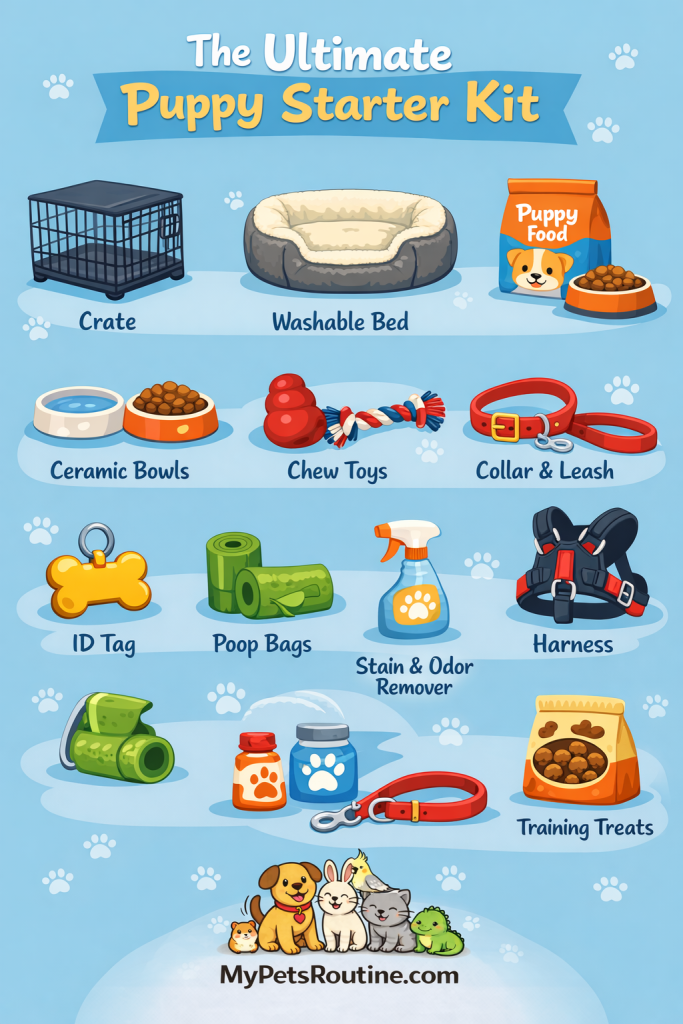

Check out the Best Pet Dog Crate from Amazon
The journey home itself is the true beginning of the bond. To minimize stress, ensure the puppy is secured safely, ideally in a travel crate on the back seat. Keep the ride as calm as possible, avoiding loud music or abrupt stops. Once you arrive at your house, the natural impulse is to immediately show your new pet every single room, but a more successful approach is controlled introductions. Start outside first. Gently place the puppy on the grass in a designated “bathroom spot.” Praise them enthusiastically and immediately if they use it. This small step sets a crucial precedent. When you finally enter the house, bypass the grand tour and head directly to that safe zone you pre-prepared. Allow them to explore this small area calmly and without interference. Limiting their initial environment helps them feel secure, preventing them from becoming overwhelmed by a large, unfamiliar space.
Establishing a reliable bathroom routine is one of the most immediate and critical challenges of puppy ownership. The primary philosophy is consistent management and proactive behavior, not correction. A young puppy, depending on its size and age, may need to empty its bladder as often as every one to two hours. A simple, golden rule of thumb for bathroom timing is: take them out after they wake up from any nap, immediately after eating or drinking, after a vigorous play session, and just before they go to sleep for the night. Recognizing their distress signals, such as intense sniffing, circling, or whining, is key. When you are outside in the designated area, use a specific verbal cue, like “go potty,” and be incredibly patient. The most powerful tool in your training arsenal is immediate, enthusiastic praise and a small, high-value reward the very second they finish their business in the correct spot.
Creating a robust “Bathroom Log” is an invaluable management tool in these early days. Tracking every intake and output can help you anticipate their needs and prevent accidents, which are inevitable but should not be a source of frustration. A successful log will note the exact time of meals, the exact time you took them outside, whether they successfully went (and which kind), and the time of any accidents inside. This pattern-recognition exercise makes accidents rare rather than routine. If an accident does happen inside, which it almost certainly will, do not yell or scold the puppy, especially after the fact, as they will not connect the punishment with the action. Instead, silently and efficiently clean the area with an enzymatic cleaner, which is specifically designed to eliminate the odor so they are not tempted to return to the same spot.
Typical Puppy Bathroom Frequency by Age
| Puppy Age | Max Time Between Breaks (Waking Hours) | Notes |
| 8–10 Weeks | 1 hour | Requires 24/7 access; bladders are very small and muscle control is minimal. |
| 3–4 Months | 2–3 hours | Can often hold it a bit longer during naps, but should go out immediately upon waking. |
| 5–6 Months | 4–5 hours | Approaching adult capacity, but still needs frequent breaks and consistent supervision. |
| 7+ Months | 6–8 hours | Most dogs can manage a standard workday, though a midday break is always preferred. |
Proper nutrition is the cornerstone of healthy development during puppyhood, which is a period of rapid growth unlike any other in their life. You should plan to feed your puppy a high-quality food that is specifically formulated and labeled for puppies, as these diets contain different ratios of protein, calcium, phosphorus, and essential fatty acids than adult formulas. A consistent feeding schedule is your best friend. For young puppies, this generally means three or even four meals per day, spaced evenly, rather than one large meal which can stress their digestive system. At each meal, offer the food for only fifteen to twenty minutes. Whatever is not eaten should be picked up until the next scheduled time. This practice helps establish routine and makes the bathroom schedule far more predictable. While fresh, clean water must be available to your puppy at all times during the day, you should consider lifting their water bowl about an hour before their final evening potty break to help them hold it through the night.
Treats, while not a substitute for a balanced diet, play a critical role in training, relationship building, and positive reinforcement. They are not merely snacks; they are tools. When selecting training treats, focus on those that are small, moist, healthy, and exceptionally delicious to your specific puppy. Think pea-sized bites of real chicken, soft salmon treats, or tiny biscuits; they should be items they will work hard for but that can be consumed instantly, without stopping the flow of a training session. For other uses, you can incorporate longer-lasting, durable chews. These items, like stuffed rubber toys or specific, veterinarian-approved dental chews, are excellent for satisfying a puppy’s natural urge to chew, providing mental stimulation, and can even offer significant soothing relief during the difficult, painful process of teething.

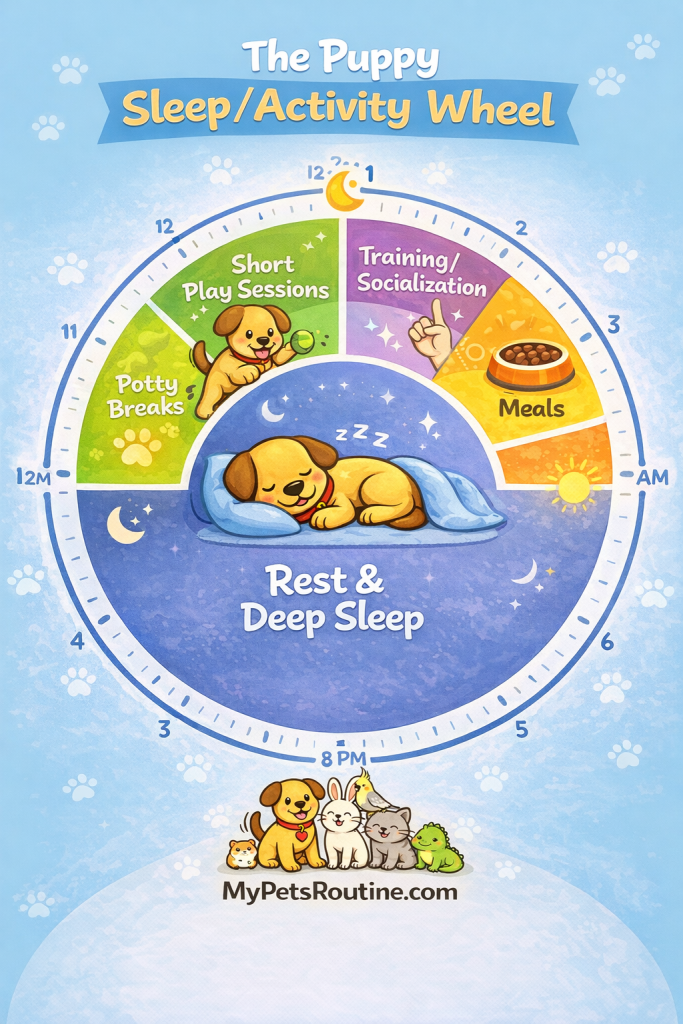
For a puppy, life is a delicate, demanding balance between intense bursts of exploring the world and deep, regenerative sleep. They require significantly more rest than adult dogs, often sleeping for eighteen to twenty hours in every twenty-four-hour cycle. When your puppy is playing, ensure it is constructive and safe. Utilize interactive toys like balls and puzzle feeders, which engage their brains and help with coordination. You can also engage in gentle tug games, which are excellent for bonding, provided you always teach and enforce a solid “drop it” command from a very young age. To prevent over-exertion, which can stress developing joints, avoid forcing your puppy to take long, continuous walks or engage in high-impact activities like jumping or running on hard surfaces for the first several months.

Check out the Calming Deg Bed, Anti-Anxiety Donut at Amazon
Rest is just as critical for cognitive function and physical development as play. To support this, you must ensure your puppy has a quiet, comfortable space where they can sleep without being disturbed by the household’s activities. This is one of the key areas where a crate shines. Far from being a cage, a properly introduced crate becomes a safe, secure “den” that appeals to their natural canine instincts. To make the crate a positive and inviting place, try feeding them their meals inside it or always offering a special, high-value toy, like a Kong filled with dog-safe peanut butter, whenever they go in. These positive associations help them view the crate not as a punishment but as their personal retreat. Never, ever use the crate for punishment, as this will destroy their sense of safety and compromise its effectiveness as a management tool.
The most defining element in ensuring your puppy matures into a well-adjusted, confident adult is socialization. This concept is widely misunderstood; it does not simply mean meeting a lot of other dogs. True socialization involves the proactive, careful process of positive, controlled exposure to a wide variety of people, animals, environments, and even sounds. The critical socialization window for a puppy is remarkably brief, typically occurring between three and twelve weeks of age. During this pivotal time, you should aim to expose your puppy, in a positive way, to different surfaces (such as gravel, grass, and tile), various sights (bikes, strollers, umbrellas), and a diverse range of sounds (vacuum cleaners, doorbells, even traffic noise). The golden rule is always to ensure these experiences are positive or neutral, never scary, making frequent use of treats to build a happy association.
Navigating the early stages of puppy ownership can feel like a full-time job, but it is one that offers immense, immediate rewards. By diligently focusing on these foundational pillars, namely puppy-proofing, creating a consistent bathroom routine, providing optimal nutrition, using treats strategically for training, and respecting their profound need for both vigorous play and deep rest, you are not just caring for a pet in the short term. You are, quite literally, building the entire foundation for a shared life of mutual understanding, trust, and companionship. It is a journey defined by small, daily victories and perhaps the occasional minor setback, but the joy of watching a confused, fuzzy puppy blossom into a confident, balanced, and beloved family member is an experience that makes every single effort feel worthwhile.
MyPetsRoutine.com participates in the Amazon Services LLC Associates Program, an Affiliate advertising program designed to provide a means for sites to earn advertising fees by advertising and linking to Amazon.com.