
 By
Kelley Kelly
By
Kelley Kelly

Welcoming a rabbit into your home is an experience that sits somewhere between adopting a very quiet dog and a very particular, ground-dwelling cat. While often categorized as “starter pets” or “pocket pets,” rabbits are actually complex, high-intelligence lagomorphs that require a significant commitment to specialized care and environmental management to truly flourish. To move beyond the outdated concept of a rabbit in a backyard hutch and toward the “Routine to Thrive” philosophy, you must view your new companion as a full member of the household with specific social, dietary, and architectural needs. This fourth pillar article for mypetsroutine.com will delve into the intricacies of rabbit ownership, providing a comprehensive roadmap for those ready to embrace the unique joy of a long-eared friend. We will explore how to prepare your living space, the critical importance of fiber-heavy nutrition, the art of litter training, and the nuances of rabbit body language, ensuring that your first months together build a foundation of mutual trust and exuberant “binkies.”
Before your rabbit arrives, you must undergo a process known as bunny-proofing, which is perhaps the most intensive environmental preparation required for any domestic pet. Rabbits have a biological drive to chew that is nearly impossible to suppress, and their favorite targets are often the most dangerous items in a modern home, specifically electrical cords and baseboards. You must meticulously shield every accessible wire with plastic tubing or cord protectors and consider installing clear plastic guards over the corners of your furniture and baseboards. Furthermore, you must evaluate the flooring of the intended rabbit area. While rabbits can navigate hardwood or tile, these surfaces offer no traction for their fur-covered paws, which can lead to joint stress or frightening slips. Providing large, low-pile area rugs or foam play mats ensures that your rabbit feels confident enough to run and jump without the risk of injury, immediately making the new environment feel like a safe territory rather than a slippery trap.
MyPetsRoutine.com partners with affiliate programs such as Amazon Associates and others. This means we may earn a commission when you click or make a purchase through certain product links, at no extra cost to you. We only recommend products we believe in based on research and experience.
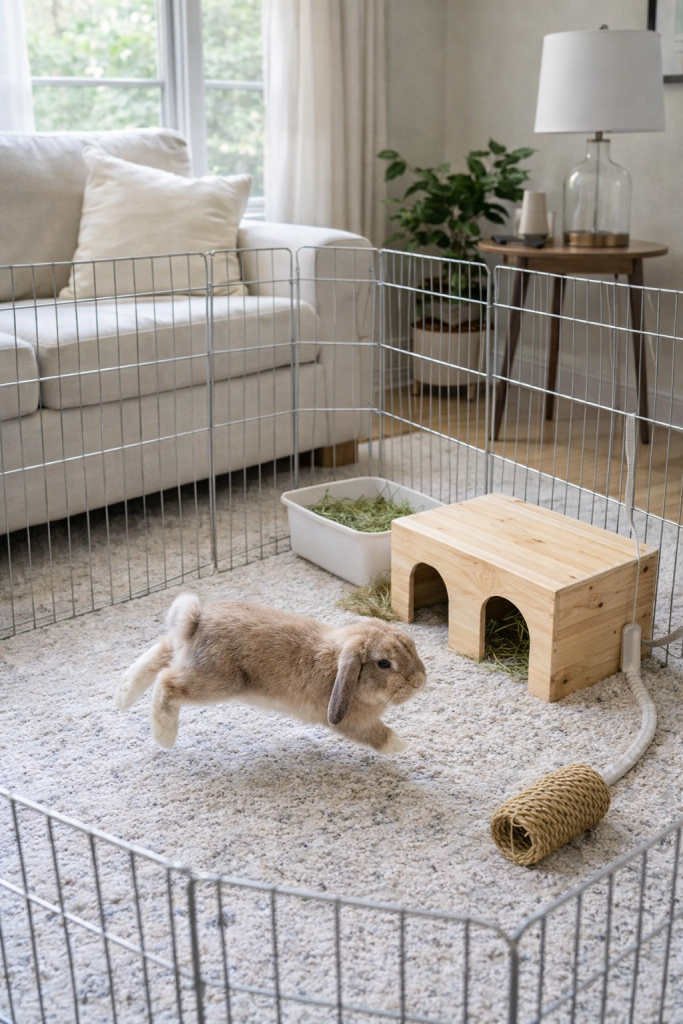
The traditional small wire cage is increasingly viewed by experts as insufficient for a rabbit’s well-being; instead, you should opt for a large exercise pen or a dedicated “bunny room” as their primary housing. This setup allows for the vertical and horizontal movement that a rabbit requires to maintain bone density and digestive health. Within this space, you must provide several essential items to ensure their comfort, starting with a large, heavy ceramic water bowl rather than a drip bottle. Rabbits drink a surprising amount of water for their size, and a bowl allows for a more natural drinking posture while ensuring they stay properly hydrated. You will also need at least two “hidey holes” or boxes with both an entrance and an exit, as rabbits are prey animals and feel most secure when they have a place to retreat where they cannot be cornered. Soft, absorbent bedding made of paper or kiln-dried aspen should be used in their designated resting areas, avoiding cedar or pine shavings which contain aromatic oils that can damage a rabbit’s sensitive respiratory system.
When bringing your rabbit home, the most successful introductions are those that occur at the rabbit’s eye level. Upon arrival, place the carrier inside their exercise pen and allow them to emerge in their own time, keeping the human interaction minimal and quiet. It is a common mistake to immediately pick up and cuddle a new rabbit, but for many lagomorphs, being lifted off the ground triggers a primal fear of being snatched by a predator. Instead, sit quietly on the floor within their space and allow them to approach you. This “passive bonding” technique allows the rabbit to scent-mark you and investigate your clothing without feeling threatened. By establishing this “Routine of Respect” from the very first hour, you demonstrate to the rabbit that you are a safe, predictable presence, which significantly accelerates the bonding process and reduces the initial stress that can lead to digestive upset.
Nutrition for a rabbit is a delicate balance where fiber is the absolute king of the digestive tract. Unlike many other pets, a rabbit’s gut must stay in constant motion to prevent a life-threatening condition known as Gastrointestinal (GI) Stasis. To achieve this, roughly eighty percent of their daily diet must consist of high-quality grass hay, such as Timothy, Orchard, or Meadow hay. This hay serves two vital purposes: it provides the long-strand fiber necessary for gut motility and acts as a natural toothbrush to wear down their constantly growing teeth. Fresh water must be available at all times, and a small, measured portion of high-fiber pellets—about one-quarter cup per six pounds of body weight—can be offered to ensure they receive essential vitamins and minerals. You should avoid “muesli” style mixes that contain seeds, corn, or colorful bits, as rabbits will selectively eat the high-sugar items and ignore the fiber they actually need.
Supplementing the hay diet with fresh, leafy greens is the next most important step in the daily feeding routine. A good rule of thumb is to provide one packed cup of greens for every two pounds of body weight, introducing new varieties slowly to monitor for any digestive changes. Ideal staples include romaine lettuce, kale, cilantro, parsley, and dandelion greens. However, you must be cautious with greens high in oxalates, such as spinach or beet tops, which should only be offered in rotation once or twice a week. By providing a diverse “salad” each day, you not only meet their nutritional requirements but also provide mental stimulation as they forage through the different textures and flavors. This daily ritual becomes a highlight of the rabbit’s routine, often resulting in “zoomies” or excited laps around the room when they see the salad bowl approaching.

Treats for rabbits should be handled with extreme discipline, as their sweet tooth can easily lead to obesity and dental decay. While popular culture depicts rabbits constantly eating carrots, these and fruits like apples, bananas, and strawberries are actually quite high in sugar and should be limited to no more than one or two tablespoons per day. A more appropriate way to treat your rabbit is through “forage treats,” such as dried rose petals, hibiscus flowers, or dried herbs like dill and mint. These items provide a sensory explosion for the rabbit without the caloric hit of fruit. You can also use treats to encourage exercise and cognitive development by hiding them inside cardboard tubes or hay-stuffed boxes, forcing the rabbit to work for their reward. This mimics the natural foraging behavior they would exhibit in the wild and keeps their sharp minds engaged.
One of the most pleasant surprises for new rabbit owners is how easily these animals can be litter trained. Rabbits have a natural instinct to eliminate in one specific corner of their territory to keep their living and sleeping areas clean. You can capitalize on this by placing a large litter box—roughly the size of a cat litter box—in the corner they have chosen, filling it with a layer of rabbit-safe paper-based litter and topping it with a generous handful of their daily hay. Because rabbits often like to “eat and go” at the same time, placing the hay directly into or above the litter box encourages them to stay in the box and use it appropriately. If accidents happen during the training phase, simply soak up the urine with a paper towel and place it in the litter box to help the rabbit understand where the scent belongs. This routine makes a “free-roam” lifestyle possible, as a well-trained rabbit can be trusted to return to their box even when they are out exploring the house.

Check Current Price & Availability at Amazon
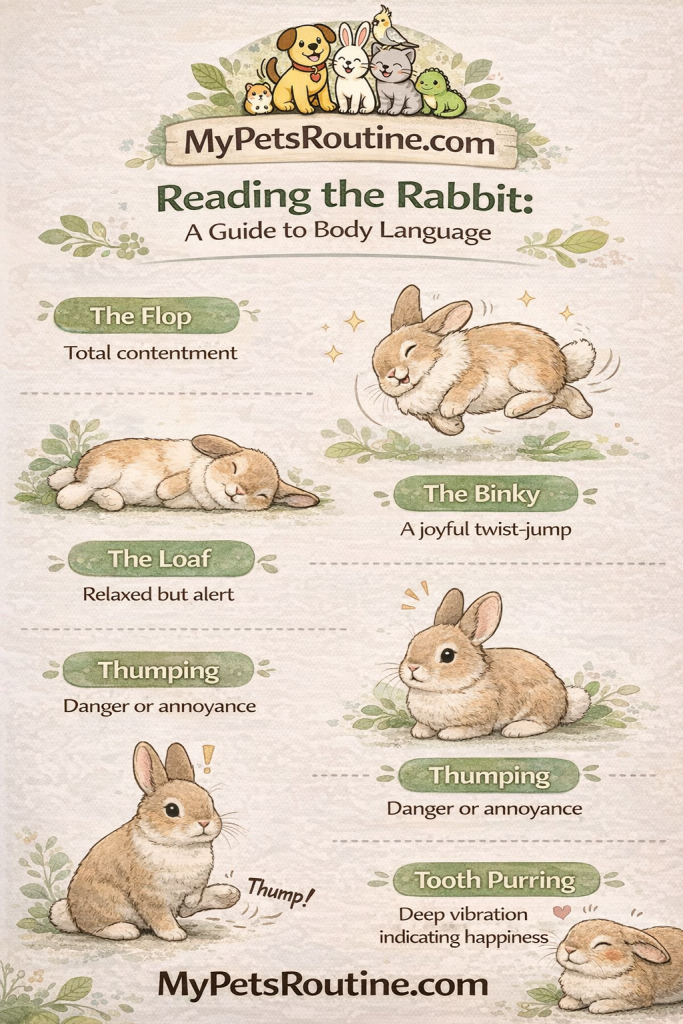
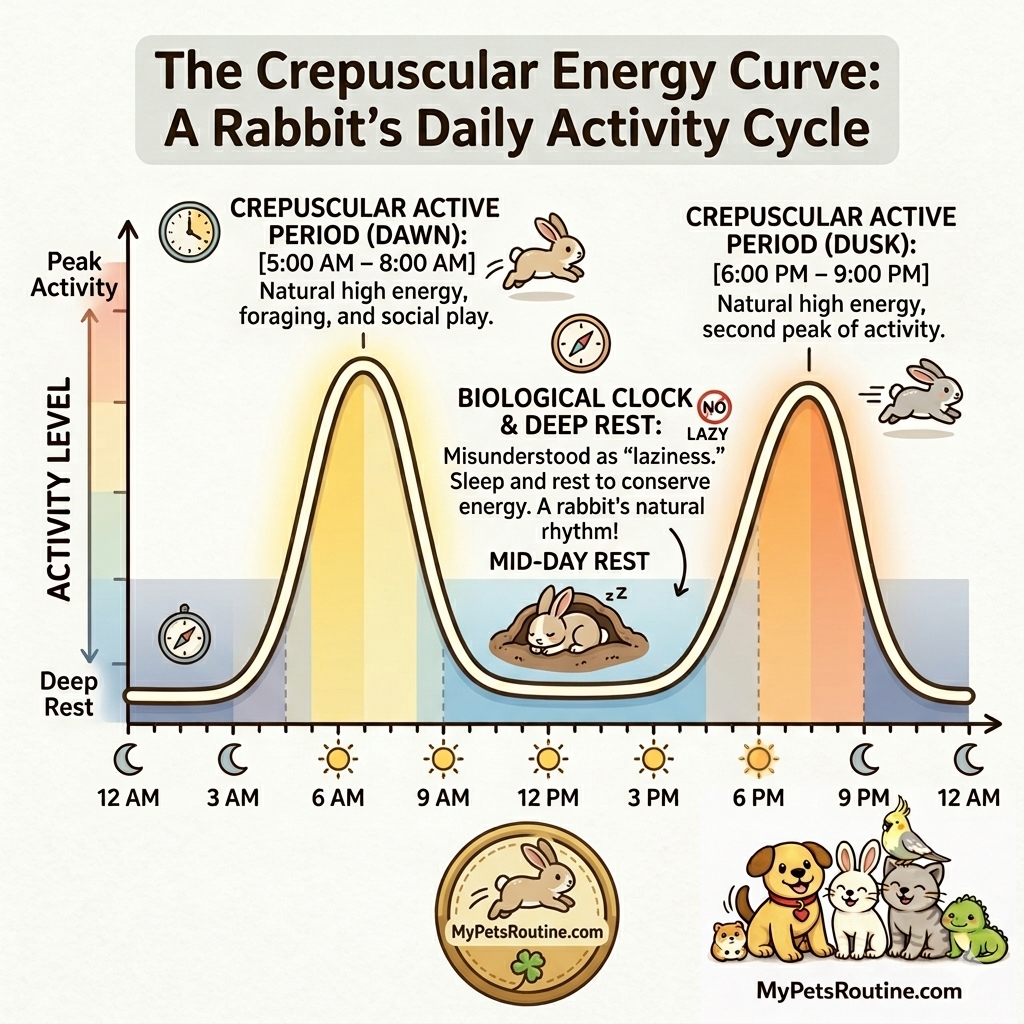
The concepts of play and rest for a rabbit are deeply tied to their crepuscular nature, meaning they are most active during the twilight hours of dawn and dusk. During these times, you will see the full expression of their personality, including “binkies,” where they leap into the air and twist their bodies in pure joy, and high-speed “zoomies” across the floor. To support this play, you must provide a variety of chewable toys made of sea grass, willow, or untreated wood, as well as logic toys that require them to lift lids or pull drawers to find hidden treats. When the sun is high or the house is quiet at night, the rabbit will enter a period of deep rest. It is vital to respect their “bunny naps,” especially when they are “flopped” on their side with their legs stretched out, as this indicates a high level of comfort and trust in their environment.
As your rabbit settles into the “Routine to Thrive,” you will begin to notice the subtle ways they communicate their affection. A rabbit might “chin” you, rubbing their scent glands on your hand to claim you as part of their territory, or they might engage in “tooth purring,” a soft vibration of the teeth that signals deep relaxation and happiness. Regular grooming sessions, particularly during shedding seasons, provide an excellent opportunity for bonding and allow you to check for any health issues like skin irritation or lumps. By maintaining a consistent schedule of feeding, cleaning, and quiet social time, you transform from a mere caretaker into a trusted companion. The journey of rabbit ownership is one of quiet observations and sudden, joyful outbursts, and by following the guidelines at mypetsroutine.com, you are ensuring that your long-eared friend enjoys a life of safety, health, and profound fluffy contentment.
MyPetsRoutine.com participates in the Amazon Services LLC Associates Program, an affiliate advertising program designed to provide a means for sites to earn advertising fees by advertising and linking to Amazon.com