
 By
Kelley Kelly
By
Kelley Kelly

Welcoming a hamster into your home often marks a person’s first foray into the world of exotic pet ownership, yet these small, scurrying mammals are frequently misunderstood as simple, low-maintenance “starter” pets. In reality, a hamster is a complex, solitary explorer with a biological drive to burrow, forage, and travel vast distances under the cover of darkness. To truly implement the “Routine to Thrive” philosophy on mypetsroutine.com, an owner must look past the brightly colored plastic cages found in big-box stores and instead create a naturalistic, expansive habitat that respects the hamster’s wild instincts. This fifth pillar article in our series will dismantle the common myths surrounding hamster care and provide a sophisticated roadmap for introducing these charming rodents to your household. We will cover the critical importance of unbroken floor space, the necessity of deep bedding for burrowing, the nuances of crepuscular nutrition, and the patient process of “taming” that transforms a nervous biter into a curious companion.
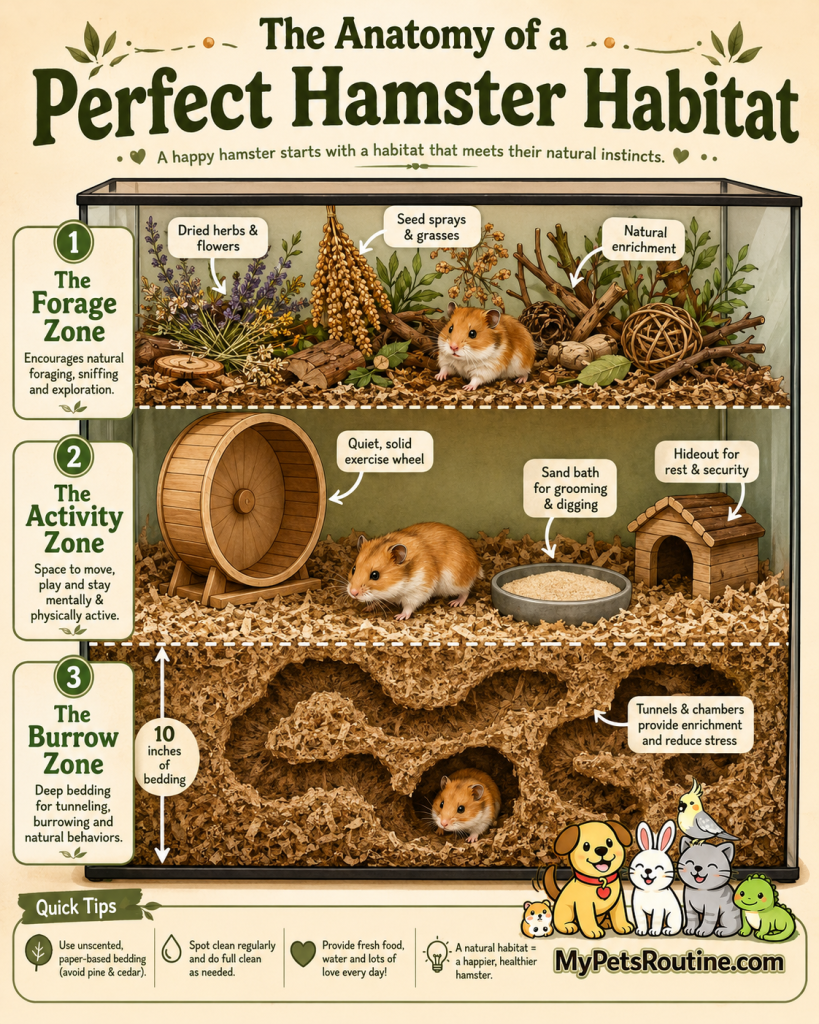
The most significant decision you will make for your new hamster happens before you even bring them home, and that is the selection of their permanent enclosure. Modern hamster husbandry has moved away from the modular, tube-based plastic cages that were popular in previous decades, as these setups often fail to provide the minimum required floor space and can cause significant stress. For a Syrian hamster, you should aim for a minimum of eight hundred to one thousand square inches of unbroken floor space, while smaller Dwarf species still require at least six hundred square inches to prevent “cage aggression.” A large glass terrarium, a modified “bin cage,” or a high-quality wooden enclosure provides the depth necessary for the most important element of a hamster’s habitat, which is the bedding. You must provide at least eight to ten inches of compressed, paper-based bedding or kiln-dried aspen to allow your hamster to construct the complex tunnel systems they would naturally inhabit in the wild, as burrowing is their primary way of regulating temperature and feeling secure.
In addition to floor space and bedding depth, several specialized items are non-negotiable for a thriving hamster routine. The most famous of these is the exercise wheel, but you must ensure it is the correct size to prevent permanent spinal damage. For a Syrian hamster, a wheel must be at least eleven or twelve inches in diameter so their back remains completely straight while running, whereas Dwarf hamsters typically need an eight to ten-inch wheel. You should also provide a dedicated sand bath using heat-treated children’s play sand or calcium-free reptile sand, as hamsters do not bathe in water but instead use sand to strip excess oils from their fur. Multiple hideouts made of natural materials like cork or wood should be scattered throughout the enclosure, ensuring there are no bottom floors so the hamster can retreat directly into their burrows from the safety of a hide. Finally, instead of a traditional water bottle that can leak or cause unnatural neck postures, a small, heavy ceramic water dish is often preferred for more natural hydration.
The journey home and the first forty-eight hours of residency are the most stressful moments in a hamster’s life, and your primary job during this time is to be invisible. When you arrive home, gently place the hamster into their pre-prepared enclosure and resist the urge to handle them or even watch them too closely. The “Routine to Thrive” begins with a period of total seclusion where the hamster can scent-mark their new territory and establish their primary burrows without fear of predation. You will likely hear them busy at work during the night, but during the day, they will remain hidden. This initial silence is not a cause for concern but rather a sign that the hamster is acclimating. After the second day, you can begin the “scent introduction” phase by rubbing a clean tissue on your hand and placing it in the enclosure, allowing the hamster to associate your specific scent with safety and the arrival of food before they ever have to interact with your physical hand.
Nutrition for a hamster is far more than just a bowl of pellets; it is an opportunity for behavioral enrichment and metabolic health. A high-quality hamster diet should consist of a diverse seed mix that includes a variety of grains, oilseeds, and dehydrated insects, supplemented by a high-protein lab block to ensure they don’t selectively feed and miss out on essential vitamins. However, rather than placing all this food in a bowl, you should practice “scatter feeding” by throwing the seeds across the surface of the bedding. This forces the hamster to use their incredible sense of smell and their natural foraging instincts to find their dinner, which provides hours of mental stimulation. Fresh water must be changed daily, and you should provide a small amount of fresh vegetables, such as broccoli, bell peppers, or cucumber, two or three times a week to provide hydration and essential phytonutrients.
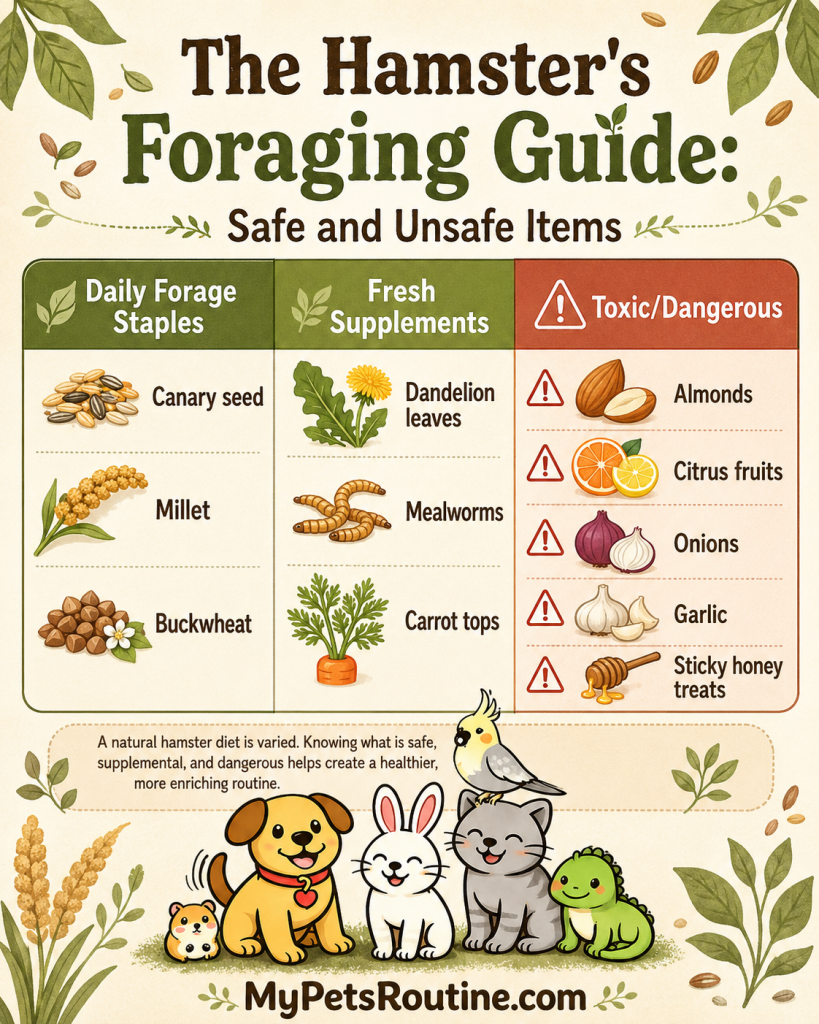
Treats and protein supplements play a vital role in the taming process and the overall health of your hamster. Because hamsters are omnivores, they require animal protein to flourish, which can be provided through dried mealworms, crickets, or even small pieces of plain, hard-boiled egg. These high-protein items are excellent rewards during the taming phase. When your hamster begins to emerge from their burrow while you are in the room, you can offer a mealworm or a sunflower seed from your fingertips. This teaches the hamster that the “giant” in their environment is a source of luxury rather than a threat. You must be careful with high-sugar treats like fruit or commercial “yogurt drops,” as certain species, particularly Campbells and Winter White Dwarfs, are highly prone to diabetes and should have their sugar intake strictly limited.
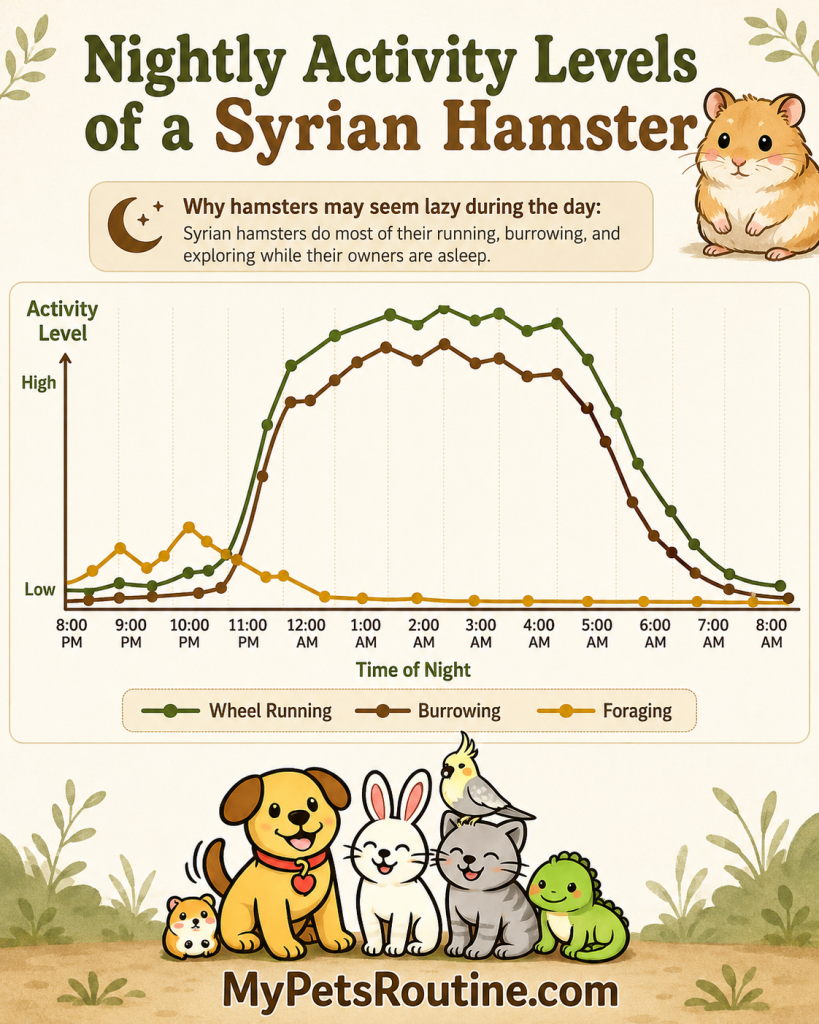
The concepts of play and activity for a hamster are almost entirely centered on their incredible nocturnal energy. A healthy hamster can run up to five or six miles in a single night on their wheel, a feat that is essential for preventing obesity and “cage craze,” a repetitive stress behavior. Beyond the wheel, you can provide “enrichment sprays” which are dried stalks of flax, millet, or oat that you “plant” into the bedding. The hamster will spend significant time “harvesting” these seeds and storing them in their cheek pouches to take back to their hoard. This hoarding behavior is a core part of their psychological well-being; you should never fully remove a hamster’s food hoard during cleaning, as this can cause immense distress. Instead, only remove perishable fresh foods and leave the dry seed cache intact to maintain their sense of security.
Proper bathroom habits and hygiene for a hamster are surprisingly manageable due to their natural instinct to keep their burrows clean. Most hamsters will choose one specific corner of their enclosure, or a specific area of their sand bath, to use as a toilet. By identifying this spot, you can perform “spot cleaning” every few days, removing only the soiled bedding and sand without disturbing the rest of the habitat. This is much better for the hamster than a traditional “deep clean” where all bedding is replaced, as total cleaning removes all the familiar scents that make the hamster feel safe. You should aim to replace only about a third of the bedding every few weeks, mixing the old bedding with the new to maintain the scent profile. This routine keeps the enclosure smelling fresh for humans while ensuring the hamster remains calm and oriented within their home.
This article contains affiliate links. If you purchase through these links, mypetsroutine.com may earn a commission at no additional cost to you. We only recommend gear we trust and have carefully researched.

Check out Current Price and Availability at Amazon
Taming a hamster is a process that requires the patience of a saint and the stillness of a statue. Once the hamster is comfortable taking treats from your fingers, you can begin placing the treat in the palm of your flat hand, encouraging them to climb on to reach it. It is vital that you never reach from above or “scoop” the hamster, as this mimics the movement of a bird of prey and will trigger a defensive bite. Instead, let them make the choice to interact with you. Over time, many hamsters will come to enjoy “free roam” time in a safe, playpen-enclosed area where they can explore new textures like coco-soil or hay piles. This out-of-cage time is a privilege that should only be granted once the hamster is fully confident with handling, ensuring that the experience is a positive addition to their “Routine to Thrive” rather than a frightening ordeal.

Ultimately, successful hamster ownership is about facilitating the secret life of a nocturnal architect. By providing the space they need to run, the depth they need to dig, and the variety they need to forage, you transform a small cage into a thriving ecosystem. The reward for this commitment is the opportunity to witness the incredible industry and personality of an animal that, despite its size, has a massive capacity for engagement and curiosity. As you follow the specialized guides on mypetsroutine.com, you will find that a hamster is not just a pet to be looked at, but a fascinating partner in a daily routine of exploration and growth. By respecting their wild origins while providing domestic comforts, you ensure that your new hamster lives a life that is not just long, but deeply enriched and happy.
MyPetsRoutine.com participates in the Amazon Services LLC Associates Program, an Affiliate advertising program designed to provide a means for sites to earn advertising fees by advertising and linking to Amazon.com.