
 By
Kelley Kelly
By
Kelley Kelly
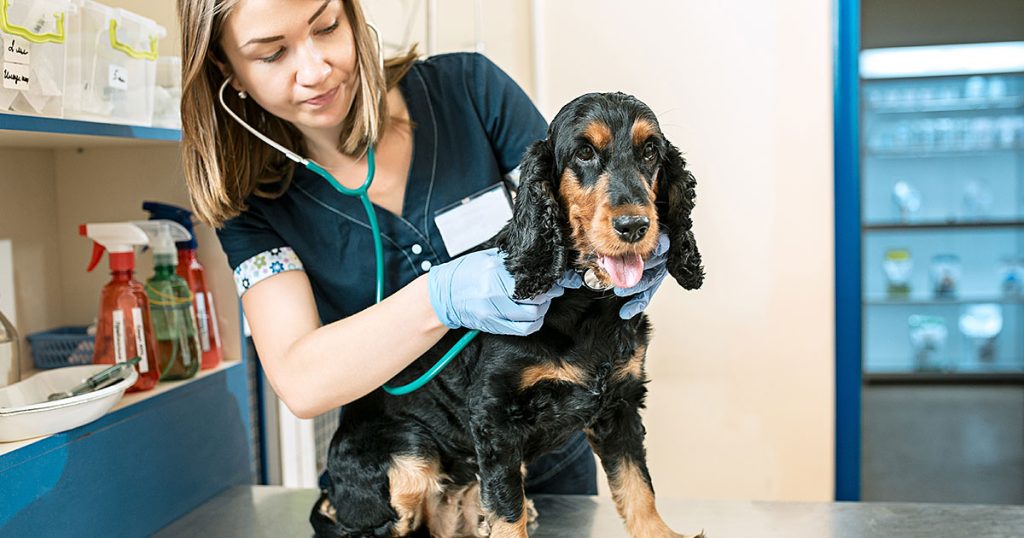
Monitoring my pets’ digestive health has become one of the most reliable ways to gauge their overall well-being. One simple but often overlooked indicator is their stool. Observing and understanding what a healthy pet poop tells you has provided me with crucial insights into my pets’ diet, hydration, gut health, and even early signs of illness. By paying close attention to color, texture, frequency, and consistency, I can take proactive measures to maintain their health and prevent potential problems.
Observing Color Variations
The color of pet poop is one of the first things I check. Healthy stool is usually medium brown, which indicates proper digestion and nutrient absorption. Variations like very dark, black, or reddish stools can signal internal bleeding or dietary issues, while pale or gray stools may indicate liver or pancreatic problems. Recording these color observations helps me detect subtle changes and decide when veterinary consultation is necessary.
Noting Consistency
Consistency is another critical factor. Healthy stool should be firm but pliable, not too hard or too soft. I have learned that extremely hard stool can indicate dehydration or low fiber intake, whereas overly soft or watery stool can suggest digestive upset, food intolerance, or infection. By noting consistency on a regular basis, I can adjust diet, hydration, and monitor for illnesses early.
Evaluating Frequency
Frequency of bowel movements varies by pet species, age, diet, and activity level. For dogs, one to two bowel movements per day is typical, while cats often go once a day. Sudden changes in frequency, either increased or decreased, are signs that I take seriously. Consistent tracking has helped me identify patterns and detect problems such as constipation, diarrhea, or gastrointestinal distress.
Detecting Unusual Odors
While all pet stool has a natural odor, extreme foulness can indicate dietary imbalance, infection, or parasites. When I notice a sudden change in odor, I investigate recent diet changes, potential ingestion of foreign objects, or signs of illness. Paying attention to smell provides another layer of insight into digestive health.
Identifying Mucus or Blood
The presence of mucus or blood in stool can indicate infections, parasites, inflammation, or more serious gastrointestinal conditions. I examine every stool for these abnormalities and note them carefully. Prompt veterinary consultation is essential if these signs appear. Early detection has often prevented complications in my pets.
Considering Size and Shape
The size and shape of stool reveal information about digestion efficiency and gut motility. Uniform, log-shaped stools suggest normal digestion, while small, hard pellets may indicate constipation or insufficient fiber. Conversely, unusually large or misshapen stools can signal malabsorption or digestive disorders. Keeping track of these details has allowed me to adjust diet and hydration proactively.
Linking Diet to Stool Health
Diet plays a central role in stool quality. I monitor how changes in protein, fiber, fat, and moisture content affect stool characteristics. For example, adding fiber-rich foods can improve consistency, while high-fat meals may cause loose stools. By correlating diet with stool observations, I have developed a more balanced feeding routine that supports digestive health.
Monitoring Hydration
Hydration directly affects stool texture. Dry, hard stools often indicate insufficient water intake. I ensure my pets have access to fresh water at all times and observe whether adjustments improve stool consistency. Proper hydration has made a significant difference in maintaining healthy, regular bowel movements.
Tracking Parasite Indicators
Worms and other internal parasites often manifest in stool. Occasionally, I observe small, rice-like segments or stringy shapes that indicate tapeworms, roundworms, or other infestations. Noting these signs early allows me to administer deworming treatments promptly. Regular stool monitoring has been a key factor in preventing parasitic complications.
Observing Behavioral Signs
Behavior can provide additional clues about stool health. Straining, excessive licking of the rear, or frequent trips to the litter box are signs of discomfort or digestive issues. Documenting these behaviors alongside stool characteristics gives a clearer picture of my pets’ gastrointestinal health. Behavioral observations often precede physical changes, helping me act early.
Linking Stool Health to Overall Wellness
Stool is a reflection of overall health. Regular, healthy bowel movements indicate good digestion, nutrient absorption, and immune function. By tracking stool characteristics consistently, I can correlate changes with energy levels, appetite, coat condition, and weight. This holistic approach has helped me maintain long-term wellness for my pets.
Using a Weekly Monitoring Routine
To stay proactive, I have developed a weekly monitoring routine for stool assessment. I record color, consistency, frequency, odor, and any unusual observations. This systematic approach helps me detect trends, track the effectiveness of dietary changes, and identify early signs of illness before they escalate. Weekly logs have proven invaluable in maintaining digestive health.
Adjusting Diet Based on Observations
When I notice consistent changes in stool, I adjust diet accordingly. Introducing high-quality proteins, increasing fiber, or modifying fat content often resolves minor issues. Experimenting with small, gradual changes allows me to observe results without causing further digestive upset. Linking stool observations to dietary adjustments reinforces the importance of monitoring what a healthy pet poop tells you.
Consulting a Veterinarian When Needed
While regular monitoring is helpful, professional consultation is critical when abnormalities persist. I take my detailed stool logs to veterinary appointments, which provides valuable context for diagnosis and treatment. Veterinarians can identify underlying issues that may not be apparent through observation alone, ensuring comprehensive care.
Evaluating Environmental Factors
Environmental factors, such as exposure to contaminated areas, dietary indiscretion, or stress, can affect stool health. I pay attention to where my pets roam, what they ingest, and any changes in routine that may impact digestion. Addressing environmental influences has often resolved minor stool issues without medical intervention.
Recognizing Age-Related Changes
Senior pets may experience digestive changes, altered bowel habits, or decreased efficiency in nutrient absorption. I monitor age-related stool changes closely, adjusting diet, hydration, and exercise routines to support healthy digestion. Recognizing how age affects bowel movements has helped me maintain comfort and wellness in older pets.
Monitoring Medication Effects
Certain medications can affect stool characteristics. I observe how antibiotics, pain medications, or supplements influence digestion. Adjusting treatment timing, diet, or hydration in consultation with a veterinarian ensures that medications do not compromise gastrointestinal health. This awareness has reinforced the connection between what a healthy pet poop tells you and broader health management.
Using Stool to Detect Stress
Stress can manifest as digestive upset. I notice softer stools, increased frequency, or changes in consistency when my pets experience anxiety, new environments, or routine disruptions. Recognizing these patterns allows me to address stressors, provide comfort, and stabilize digestion. Linking stress management with stool observation has been highly effective in maintaining wellness.
Incorporating Regular Exercise
Exercise influences gut motility and bowel regularity. I ensure my pets get adequate daily physical activity, which supports digestion and contributes to consistent, healthy stool. Tracking stool alongside exercise routines helps me understand the interplay between activity and digestive health.
Maintaining a Consistent Feeding Schedule
Irregular feeding can lead to inconsistent stool quality. I provide meals at the same time each day and monitor how this affects bowel movements. Consistency in feeding has resulted in predictable, healthy stools and improved overall digestion. This practice emphasizes how routine supports what a healthy pet poop tells you.
Recognizing Dietary Intolerances
Food intolerances often manifest in stool changes. I pay attention to reactions following new foods, treats, or changes in diet. Diarrhea, mucus, or unusual odor can indicate sensitivity or allergy. Identifying intolerances allows me to eliminate problematic ingredients and maintain digestive balance.
Documenting Stool Changes
Maintaining a log of stool characteristics over time allows me to detect trends, correlate changes with diet, medications, or behavior, and provide detailed information to my veterinarian. Systematic documentation reinforces proactive care and highlights the value of observing what a healthy pet poop tells you.
Early Detection of Illness
Regular observation of stool has allowed me to detect illness early. Conditions such as gastrointestinal infections, liver disease, kidney problems, and parasites often produce distinctive stool changes. Early detection has enabled prompt treatment, reducing complications and improving recovery outcomes.
Educating Household Members
Consistency requires cooperation. I involve family members in observing and reporting stool characteristics, feeding routines, and behavior changes. Shared vigilance ensures that abnormal patterns are noticed promptly and addressed efficiently. This collaboration enhances the effectiveness of stool monitoring as a health tool.
Integrating with Overall Wellness Routine
Stool observation is most effective when integrated into a broader wellness routine. Alongside diet, exercise, grooming, and regular veterinary visits, monitoring stool provides valuable insights into health trends. I use this integrated approach to maintain balanced nutrition, prevent illness, and support long-term wellness.
Addressing Chronic Issues
For pets with chronic gastrointestinal issues, consistent monitoring of stool is essential. I track stool quality, frequency, and other symptoms to evaluate ongoing management strategies. Adjusting diet, medication, and hydration in response to stool observations has helped manage chronic conditions successfully.
Reinforcing Preventive Measures
Observing stool complements preventive care. Vaccinations, parasite control, and routine checkups are more effective when combined with regular monitoring of digestion. Paying attention to what a healthy pet poop tells you reinforces preventive measures and supports overall health.
Building Awareness Over Time
Over time, I have developed a keen awareness of normal versus abnormal stool patterns for each pet. This familiarity allows me to notice subtle deviations quickly, enabling early interventions. Building this awareness has been instrumental in proactive care and maintaining digestive health.
Enhancing Communication with Veterinarians
Detailed stool logs provide essential context for veterinary consultations. I can report color changes, consistency, frequency, and unusual findings accurately, allowing veterinarians to make informed diagnoses and treatment plans. Effective communication improves the quality of care and reinforces the importance of monitoring what a healthy pet poop tells you.
Conclusion
Observing stool is a simple but powerful way to monitor my pets’ health. By tracking color, consistency, frequency, odor, and unusual characteristics, I gain valuable insights into digestion, hydration, diet, and overall wellness. Regular monitoring allows early detection of illness, guides dietary adjustments, and supports preventive care. Incorporating stool observation into a broader health routine ensures that my pets remain healthy, comfortable, and thriving. Understanding what a healthy pet poop tells you has become an indispensable tool in maintaining their well-being, highlighting the importance of vigilance, consistency, and proactive care.