
 By
Kelley Kelly
By
Kelley Kelly
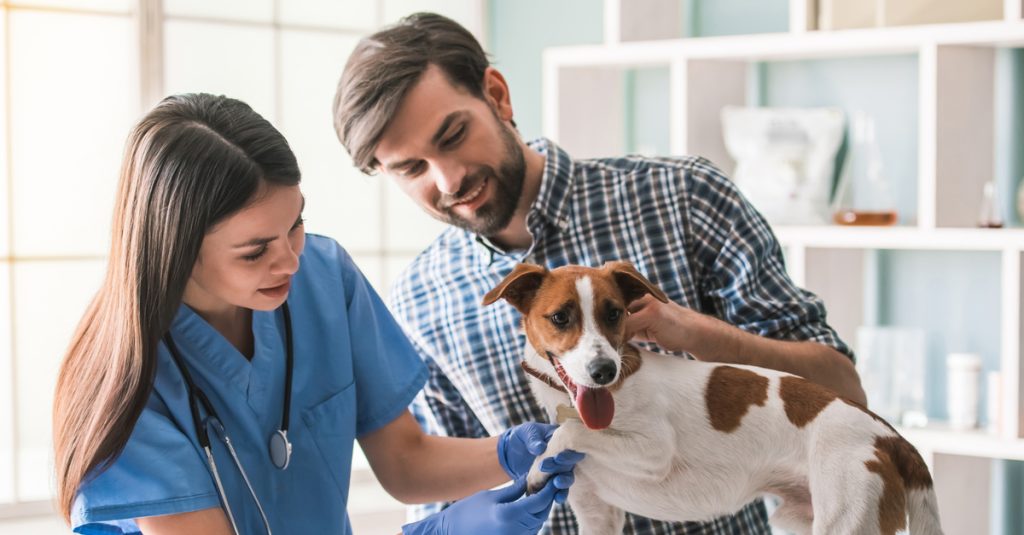
Over the years, I have realized that mental health is just as important for pets as it is for humans. Anxiety can manifest in ways that affect their behavior, appetite, sleep, and overall well-being. Focusing on reducing pet anxiety has become a central part of my care routine, and paying attention to subtle signals allows me to support emotional balance and resilience. By incorporating consistent practices, environmental adjustments, and mindful interactions, I have been able to make a noticeable difference in my pets’ mental state.
Recognizing Signs of Anxiety
The first step in reducing pet anxiety is recognizing the signs. My pets show anxiety differently, and learning to interpret these behaviors has been crucial. Restlessness, excessive licking or grooming, vocalization, pacing, and avoidance are common indicators. Observing patterns and triggers allows me to identify situations that heighten stress and plan interventions accordingly.
Creating a Calm Environment
Environment plays a significant role in emotional stability. I ensure their space is quiet, comfortable, and free from sudden disturbances. Providing a safe retreat where they can relax and feel protected is essential. Soft bedding, familiar toys, and low lighting contribute to a sense of security. Establishing a peaceful setting has been one of the most effective strategies for reducing pet anxiety.
Establishing Consistent Routines
Consistency reduces uncertainty, which is a major source of anxiety for pets. I maintain regular schedules for feeding, play, walks, and bedtime. When pets know what to expect, they are less likely to feel stressed. Following predictable routines has made a substantial difference in calming anxious behaviors and reinforcing stability.
Positive Reinforcement and Rewards
Encouraging calm behavior through positive reinforcement has been highly effective. I reward relaxed behavior with treats, praise, or gentle affection. This approach helps pets associate calmness with positive outcomes, strengthening their coping mechanisms. Consistent reinforcement is a cornerstone in reducing pet anxiety and promoting emotional resilience.
Gradual Desensitization to Triggers
Many pets react strongly to specific triggers, such as loud noises, visitors, or car rides. I use gradual exposure combined with rewards to help them acclimate without becoming overwhelmed. For example, short, controlled exposures to the trigger, followed by reassurance, help build tolerance over time. This method has consistently reduced reactive anxiety and improved confidence.
Engaging in Mental Stimulation
Boredom can intensify anxiety, so I provide activities that challenge their minds. Puzzle toys, treat-dispensing games, and scent-based activities keep them engaged and redirect focus away from stressors. Mental stimulation creates positive experiences, promotes relaxation, and supports long-term emotional health.
Physical Exercise as a Stress Reliever
Regular physical activity has proven invaluable in reducing pet anxiety. Daily walks, play sessions, and gentle training exercises help release pent-up energy, lower stress hormones, and encourage relaxation afterward. Exercise tailored to age and ability enhances both mental and physical health, making it a key component of an anxiety reduction plan.
Practicing Gentle Handling
How I interact with my pets affects their stress levels. I use calm, slow movements, avoid sudden gestures, and provide reassurance during potentially stressful moments. This gentle handling helps reinforce trust, reduces tension, and supports emotional stability, which is essential when reducing pet anxiety.
Using Comfort Objects
Certain objects can provide reassurance. I place familiar blankets, toys, or clothing items with my scent in their resting areas. These items offer emotional support and a sense of continuity, helping pets feel safe and grounded during anxious moments.
Applying Calming Techniques
I have found that techniques such as massage, slow petting, and deep breathing cues can significantly alleviate anxiety. Gentle strokes, attention to areas of tension, and rhythmic interactions encourage relaxation and signal safety. Incorporating these calming practices into daily routines has consistently improved my pets’ overall emotional state.
Avoiding Negative Reinforcement
Punishment or harsh correction can worsen anxiety. I focus on redirecting undesired behavior, providing reassurance, and offering alternative activities. Avoiding negative reinforcement ensures that pets associate me and their environment with safety rather than stress, which is crucial when reducing pet anxiety.
Recognizing Health-Related Anxiety
Sometimes anxiety stems from physical discomfort or illness. I monitor my pets for signs of pain, digestive issues, or other health problems that may trigger stress. Prompt veterinary care addresses these underlying causes, allowing behavioral strategies to be more effective. Addressing health concerns alongside emotional care has improved both recovery and confidence.
Utilizing Training for Confidence
Training exercises that encourage learning, problem-solving, and self-control help build confidence. I use short, consistent sessions with positive reinforcement to teach commands or tricks. This structured engagement empowers my pets, making them feel more capable and secure, which reduces anxiety over time.
Minimizing Stressful Situations
I take proactive steps to reduce exposure to known stressors whenever possible. Adjusting routines, creating quiet zones, and preparing for challenging situations minimizes anxiety triggers. Anticipating and managing stressors has made everyday life calmer and more predictable for my pets.
Incorporating Natural Calming Aids
Certain natural aids, such as pheromone diffusers, herbal supplements, or calming collars, have provided additional support. I introduce these cautiously and monitor responses, ensuring they complement other strategies. These tools can enhance the effectiveness of environmental and behavioral interventions when reducing pet anxiety.
Encouraging Social Interaction
Positive social experiences with humans and other pets help reduce fear and build resilience. I allow controlled, rewarding interactions that strengthen social skills while avoiding overwhelming situations. Gradual, supportive exposure to others helps my pets gain confidence and reduces separation or social anxiety.
Monitoring Behavioral Changes
Tracking changes in behavior over time allows me to assess the effectiveness of anxiety reduction strategies. I note improvements, setbacks, or new triggers and adjust routines accordingly. Continuous observation ensures that interventions remain relevant and effective.
Establishing a Safe Space During Stress
Creating a dedicated safe zone, such as a crate, quiet room, or secluded corner, allows pets to retreat when feeling anxious. I encourage voluntary use of these spaces and reward calm behavior, reinforcing their association with comfort and safety. This safe space is an essential tool when reducing pet anxiety.
Adapting to Life Transitions
Life changes, such as moving homes, new family members, or changes in schedule, can increase anxiety. I prepare pets gradually, maintain routines where possible, and provide additional reassurance during transitions. Careful management of change helps prevent heightened stress and supports emotional stability.
Using Predictable Cues and Signals
Consistent verbal and visual cues help pets anticipate activities, reducing uncertainty and stress. I use the same words, tones, and gestures for routines like feeding, walks, or bedtime. Predictable cues create a structured environment that fosters confidence and calmness.
Practicing Patience
Reducing anxiety is a gradual process. I focus on small, incremental progress rather than expecting immediate results. Patience allows pets to adapt at their own pace, reinforcing positive behaviors without overwhelming them. Recognizing that progress may be slow helps me remain consistent and compassionate.
Balancing Stimulation and Rest
Excessive stimulation can exacerbate anxiety, while insufficient activity may lead to restlessness. I balance play, exercise, and quiet time to create a rhythm that supports both mental and physical well-being. This balance is crucial for sustained emotional stability and reducing pet anxiety.
Coordinating with Veterinary Guidance
Behavioral strategies are most effective when complemented by veterinary advice. I consult professionals for guidance on underlying health issues, medication, or specialized interventions. Combining professional support with environmental and behavioral strategies ensures comprehensive care.
Integrating Daily Check-Ins
Regular observation and interaction throughout the day reinforce a sense of security. I check for signs of stress, provide reassurance, and maintain engagement, which supports ongoing emotional health. These daily check-ins create continuity that strengthens the effectiveness of reducing pet anxiety.
Leveraging Positive Reinforcement During Stressful Events
During inherently stressful events such as grooming, car rides, or vet visits, I apply positive reinforcement to maintain calm behavior. Treats, praise, and gentle touch during challenging moments reinforce resilience and build positive associations. This approach ensures that stressful experiences do not escalate anxiety.
Recognizing Individual Differences
Each pet has unique needs, triggers, and coping mechanisms. I tailor interventions to their personality, age, and health status. Recognizing individuality allows me to apply strategies effectively and ensure that reducing pet anxiety is personalized and successful.
Long-Term Emotional Well-Being
Reducing anxiety is not just about immediate comfort but also about long-term mental health. I maintain routines, reinforce positive experiences, and provide consistent support to build resilience and emotional stability. Sustained attention to mental health promotes happiness, adaptability, and overall quality of life.
Encouraging Enrichment
Environmental enrichment reduces boredom and provides mental engagement. I rotate toys, introduce new scents, and vary activities to keep experiences stimulating without being stressful. Enrichment fosters curiosity and confidence, both of which reduce anxiety naturally.
Supporting Recovery from Past Trauma
Pets with a history of trauma may exhibit heightened anxiety. I provide structured support, reassurance, and patience to help them recover. Gradual exposure to new experiences and consistent routines helps them regain trust and confidence. Addressing past trauma is essential when reducing pet anxiety.
Fostering Trust and Bonding
Trust between myself and my pets forms the foundation for emotional security. I engage in calm, predictable, and affectionate interactions that reinforce this bond. Trust reduces fear, builds confidence, and makes coping with stressors easier, supporting long-term emotional health.
Conclusion
Reducing pet anxiety requires a multifaceted approach that blends environmental management, behavioral strategies, gentle handling, and consistent routines. By observing behavior, creating calm and predictable surroundings, and reinforcing positive experiences, I have been able to improve my pets’ emotional resilience and overall well-being. Incorporating exercise, mental stimulation, safe spaces, and professional guidance further strengthens this approach. Focusing on emotional care has shown me that mental health matters as much as physical health. Through patience, observation, and dedicated support, I can help my pets navigate stress, build confidence, and enjoy a balanced, happy life.