
 By
Kelley Kelly
By
Kelley Kelly
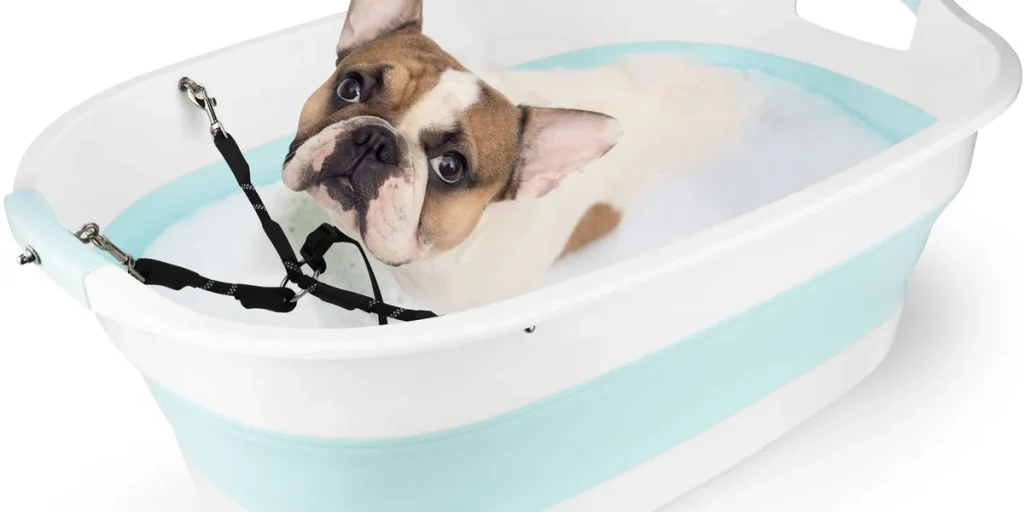
Every night, I notice how much my pets thrive when their evenings are consistent and peaceful. Bedtime habits that help your pet sleep better are essential for their physical health, emotional well-being, and overall behavior. Over the years, I’ve developed routines that signal the end of the day, calm my pets, and prepare them for restful sleep. These habits not only benefit my pets but also create harmony in our home.
Establishing a Predictable Evening Schedule
Consistency is key when it comes to bedtime habits that help your pet sleep better. I aim to start evening routines at the same time each night, creating predictability. Pets, like humans, respond well to structured schedules. Knowing when dinner, playtime, and quiet periods occur helps them feel secure and reduces anxiety.
I begin by signaling that the day is winding down. Dimming lights, speaking in softer tones, and gradually reducing activity levels signal that it’s almost time for sleep. This predictable cue helps pets transition smoothly from active periods to rest.
Evening Feeding and Hydration
Evening meals play a critical role in bedtime habits that help your pet sleep better. I feed my pets a balanced dinner a few hours before bedtime to prevent hunger from disrupting sleep. For dogs, this meal includes a combination of protein, healthy fats, and some complex carbohydrates. Cats receive smaller portions spread over multiple feedings to avoid digestive discomfort overnight.
Hydration is equally important. I ensure that clean water is available throughout the evening but monitor excessive drinking close to bedtime to reduce nighttime disruptions. Proper nutrition and hydration support digestion and overall comfort, promoting longer, uninterrupted rest.
Evening Exercise and Mental Engagement
Exercise and mental stimulation earlier in the evening are part of my bedtime habits that help your pet sleep better. A short walk for dogs or a brief play session with cats helps expend remaining energy. Physical activity prevents restlessness at night and encourages a natural sleep drive.
I include mental exercises as well, such as puzzle toys, scent games, or short training sessions. Mental engagement tires the mind, just as physical activity tires the body. By the time the day winds down, my pets are both physically and mentally ready to relax.
Quiet Time and Calm Interactions
In the hour leading up to bedtime, I shift to calm interactions, which are crucial for bedtime habits that help your pet sleep better. I spend quiet moments with each pet, offering gentle pets, soft words, and soothing strokes. This period allows pets to decompress from the day’s activities.
I avoid loud noises, high-energy play, or chaotic environments during this time. Instead, I create a calm atmosphere with subdued lighting and minimal distractions. This helps pets associate evening routines with relaxation and sleep preparation.
Grooming and Comfort Rituals
I integrate light grooming into the evening routine as part of bedtime habits that help your pet sleep better. Brushing my dog’s coat or gently combing my cat’s fur removes loose hair, prevents tangles, and provides soothing tactile stimulation. Grooming serves as both a health check and a calming ritual.
For pets with sensitive skin or longer fur, I focus on gentle brushing in areas prone to matting. These moments become a quiet bonding experience that helps pets wind down. I also make sure bedding is clean, soft, and comfortable, creating a cozy sleep environment.
Environmental Adjustments
The sleep environment plays a huge role in bedtime habits that help your pet sleep better. I adjust lighting, temperature, and noise to create a space conducive to rest. For dogs, I provide a quiet area away from household traffic, while cats often prefer elevated or enclosed spaces.
I sometimes use white noise or calming music to mask disruptive sounds, especially if the household is busy in the evening. A consistent and comfortable environment signals to pets that it’s time to sleep and reduces awakenings during the night.
Consistent Sleep Locations
Maintaining a consistent sleep location is an essential aspect of bedtime habits that help your pet sleep better. I ensure that each pet has a designated sleeping area where they feel secure. Dogs often sleep in a crate or bed in a quiet room, while cats have favorite spots like window perches or soft cushions.
Consistency in sleeping spots reinforces routine and reduces anxiety. Pets understand where to rest and feel safe returning to that space night after night. I also rotate bedding occasionally for cleanliness but maintain familiar scents to preserve comfort.
Limiting Late-Night Stimulation
I carefully limit stimulation close to bedtime as part of my bedtime habits that help your pet sleep better. I avoid high-energy games, excessive noise, or introducing new visitors late in the evening. Pets respond to calm, predictable signals that the day is ending.
For dogs, this means short, gentle interactions rather than roughhousing. For cats, I keep play sessions brief and low-key. By managing stimulation, I help prevent restless behavior and encourage deeper sleep.
Bathroom Breaks Before Bed
Ensuring that pets relieve themselves before bedtime is one of the simplest yet most effective bedtime habits that help your pet sleep better. Dogs benefit from a final walk or bathroom break, reducing the likelihood of accidents overnight.
Cats generally use litter boxes throughout the day, but I check that they’ve visited their box before settling down. Addressing these needs before bed prevents disruptions and promotes a longer, peaceful night’s rest.
Calming Scents and Supplements
I sometimes incorporate calming scents or supplements into evening routines to enhance bedtime habits that help your pet sleep better. Lavender or chamomile diffusers can create a soothing environment. Additionally, natural supplements or treats designed for relaxation can be used, but only after consulting with a veterinarian.
These elements work best when introduced consistently, signaling to pets that it’s time to relax. I’ve noticed that even subtle changes like scent cues can make a significant difference in sleep quality.
Health Checks and Monitoring
Evening routines offer a great opportunity to monitor health as part of bedtime habits that help your pet sleep better. I look for signs of discomfort, changes in coat condition, or unusual behavior. These observations help me address potential issues before they impact sleep.
Regular monitoring also reinforces a proactive approach to pet care. When pets feel comfortable and healthy, they are more likely to settle into deep, restorative sleep.
Incorporating Gentle Massage
I include gentle massage as a calming bedtime habit. Massaging muscles, paws, and shoulders relaxes tension and enhances circulation. Pets often respond positively, becoming calm and receptive to the final steps of their evening routine.
Massage also strengthens the bond between me and my pets, fostering trust and emotional security. A relaxed pet is far more likely to drift into uninterrupted sleep.
Creating a Nighttime Cue
I’ve found that consistent nighttime cues are key for bedtime habits that help your pet sleep better. This could be a phrase like “time for bed,” turning down lights, or closing curtains. Over time, pets learn to associate these cues with sleep, making transitions smoother.
Using the same cues every night reinforces routine and reduces resistance to bedtime. Pets understand what to expect and feel secure in the predictability of the process.
Adjusting Routines for Different Pets
Different pets have different needs, and I adapt bedtime habits to suit each one. Puppies and kittens may need more frequent reassurance, while older pets benefit from slower transitions and gentle engagement. High-energy breeds or pets with anxiety require more structured calm periods.
By tailoring routines, I ensure that each pet receives the care they need while maintaining overall consistency in evening habits. Personalized adjustments help every pet achieve restful, restorative sleep.
Rewards and Positive Reinforcement
I use treats, praise, and gentle attention as part of bedtime habits that help your pet sleep better. Rewarding calm behavior and compliance with bedtime routines encourages pets to participate willingly. Positive reinforcement strengthens the connection between routine and comfort.
Over time, pets anticipate bedtime positively, reducing resistance and improving overall sleep quality. Rewards also make the process enjoyable, not just functional.
Preparing for Overnight Comfort
I take final steps to ensure comfort overnight, an essential part of bedtime habits that help your pet sleep better. This includes fluffing bedding, adjusting blankets, and ensuring water is available. For dogs, I may provide a favorite toy, while cats benefit from a soft perch or cozy nook.
These small gestures enhance security and create a sleep-friendly environment. Pets who feel safe and cared for settle more easily and sleep more soundly.
Benefits of Consistent Bedtime Habits
Implementing bedtime habits to help your pet sleep better has long-term benefits. Pets sleep more deeply, experience less anxiety, and display improved behavior during the day. Consistent routines also provide early detection of health issues, strengthen bonds, and enhance overall quality of life.
I’ve observed that pets with well-established evening routines are calmer, more content, and more adaptable to change. The consistency and care built into these habits make a noticeable difference in both behavior and emotional well-being.
Conclusion
Bedtime habits that help your pet sleep better are more than just routines; they are intentional practices that promote health, security, and comfort. By incorporating consistent schedules, feeding, exercise, mental stimulation, grooming, calm interactions, and environment adjustments, I ensure that my pets end the day peacefully.
Tailoring routines to individual needs, monitoring health, and reinforcing positive behaviors contribute to restful nights and happier days. A structured yet flexible bedtime routine fosters trust, reduces anxiety, and supports lifelong wellness. Pets thrive when they feel safe, cared for, and prepared for sleep, and the results are evident in their calm demeanor and overall well-being.