
 By
Kelley Kelly
By
Kelley Kelly
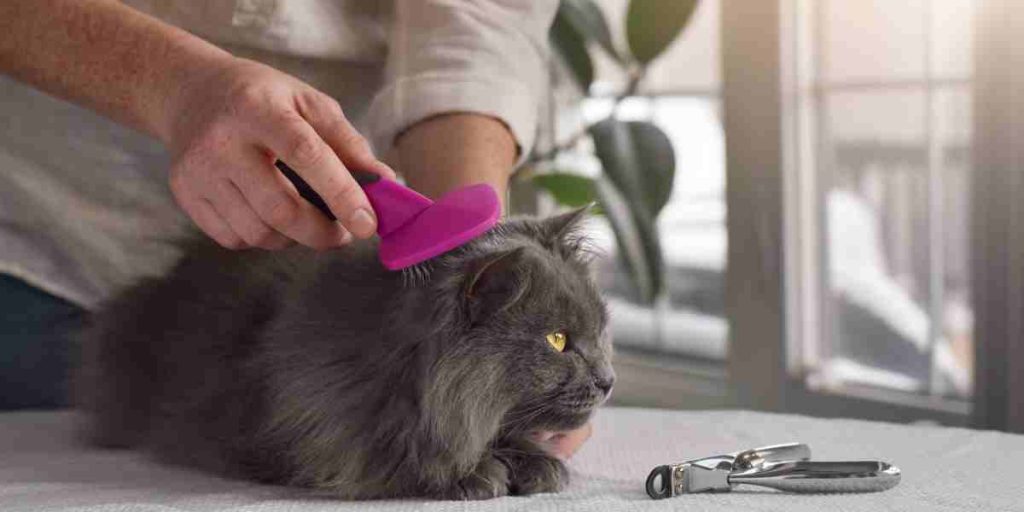
Brushing is one of the most important aspects of pet grooming, but it’s not a one-size-fits-all activity. Over the years, I’ve discovered that each coat type requires specific attention and techniques to stay healthy, shiny, and tangle-free. Knowing which tools to use, how often to brush, and the best approach for each coat has transformed grooming from a stressful task into an enjoyable routine for both me and my pets.
Pets with long, short, curly, or wiry coats all have unique needs. Applying the same brushing method to every pet often leads to frustration, mats, and even skin irritation. By tailoring my approach, I’ve been able to maintain their coats in excellent condition while also making grooming sessions more comfortable and productive. The following brushing tips for different coat types are strategies I’ve refined through experience.
Long and Flowing Coats
Long coats require daily attention to prevent tangles and mats. I learned early on that a single brushing session isn’t enough for long-haired pets. Using a slicker brush combined with a wide-toothed comb allows me to remove loose fur and detangle knots without causing pain.
I start at the ends of the fur and gradually work toward the roots, holding sections gently to avoid pulling on the skin. Patience is key. Mats tend to form behind the ears, under the legs, and around the tail, so I pay close attention to these areas.
Regular brushing of long coats also stimulates natural oil production, giving the fur a healthy shine. I’ve noticed that pets with flowing coats seem happier and more comfortable when brushed consistently because mats can cause skin irritation if ignored.
Short Coats
Short-haired pets might seem low-maintenance, but brushing is still crucial. I use a bristle brush to remove loose fur and distribute oils across the coat. While short hair doesn’t tangle as easily, shedding can be significant, especially during seasonal changes.
I usually brush short coats two to three times a week, focusing on areas where shedding is most noticeable, such as the back and sides. I also use grooming gloves on my cat with short hair, which helps remove loose fur while giving a gentle massage. Even pets with short hair benefit from the stimulation brushing provides, improving circulation and skin health.
Curly or Wavy Coats
Curly or wavy coats require special attention to prevent knots and tangles that form within the curls. I learned that using a slicker brush gently works well to separate curls without breaking them. Finger-combing after brushing is essential to ensure no hidden mats remain near the skin.
Bathing curly-coated pets before a thorough brushing session makes detangling easier, but I always make sure the coat is completely dry first. Damp hair tends to mat more easily, and I’ve found that patience is crucial. Brushing curly coats too aggressively can damage the curls and irritate the skin, so I proceed slowly, often rewarding my pets with treats for cooperation.
Double-Coated Pets
Double-coated breeds, like Huskies and Golden Retrievers, have a thick undercoat beneath their topcoat. Managing shedding requires a combination of tools, including an undercoat rake and a slicker brush. I start with the undercoat rake to remove loose fur beneath the top layer and finish with the slicker brush to smooth the coat.
Double-coated pets shed heavily in spring and fall, so brushing frequency increases during these seasons. I often spend extra time on areas prone to dense undercoat buildup, such as the chest and hindquarters. Removing loose fur from the undercoat prevents mats and reduces shedding around the house, which I’ve learned makes life much easier during peak shedding periods.
Wire-Haired Coats
Wire-haired pets need consistent grooming to maintain the texture and prevent the coat from becoming wiry or rough. I use a combination of pin brushes and combs, followed by hand-stripping techniques for some breeds. Hand-stripping involves gently pulling out dead hairs from the coat to encourage new growth, which I’ve found keeps the coat soft and healthy.
Regular brushing removes loose hairs and debris, but for wire-haired pets, it’s also about maintaining the coat’s structure. I brush at least once a week and increase frequency during shedding seasons. Using the right technique helps avoid flattening the coat, preserving the wiry texture that defines the breed.
Long-Undercoat vs Short-Undercoat Pets
Even within double-coated animals, there are variations. Long-undercoat pets may need more frequent attention because their fur can trap moisture and debris. I spend extra time separating the layers, using a comb to reach the undercoat without damaging the topcoat.
Short-undercoat pets shed as well, but mats are less common. For these animals, brushing focuses more on removing loose hair and stimulating skin health. I often combine a bristle brush with a grooming glove to tackle shedding efficiently while keeping sessions brief and enjoyable.
Seasonal Brushing Adjustments
Brushing frequency isn’t static throughout the year. In spring and fall, I increase sessions to manage heavy shedding and prevent mats. Summer may require more frequent brushing to remove dirt, dust, and pollen, especially for outdoor pets. Winter brushing focuses on stimulating the skin and distributing natural oils, since the cold air and indoor heating can dry out the coat.
I’ve found that adjusting brushing routines seasonally prevents problems before they arise. My pets are more comfortable, and I spend less time managing tangles, mats, and shedding in unexpected bursts.
Brushing Techniques That Work
Regardless of coat type, some techniques apply universally. I always brush gently to avoid pulling on the skin and causing discomfort. I hold sections of fur with one hand while brushing with the other to reduce tension. Starting from the ends and working toward the roots prevents mats from tightening further.
For stubborn tangles, I use a detangling spray or conditioner suitable for pets. This makes combing easier and less painful. I also make sure to reward pets with praise or treats to create a positive association with brushing.
Choosing the Right Tools
The right tool makes all the difference. Slicker brushes are great for long and curly coats, bristle brushes suit short coats, and undercoat rakes work for dense double coats. Wire-haired pets benefit from pin brushes and hand-stripping tools.
I’ve learned that investing in high-quality tools not only makes brushing easier but also prevents damage to the coat and skin. Cheap brushes may bend or break, causing frustration for both the pet and the owner.
Incorporating Brushing Into Daily Life
Brushing doesn’t have to be a chore. I make it part of playtime or bonding time, often brushing while watching TV or after a walk. Pets learn to relax during sessions, and I can maintain their coat without a stressful struggle.
Consistency is key. Even a few minutes daily can prevent major mats and tangles. I aim for shorter, regular sessions rather than long, infrequent brushing marathons, which tend to stress pets and reduce compliance.
Grooming Beyond Brushing
While brushing is vital, it’s only part of the grooming picture. Nail care, ear cleaning, and occasional baths complement brushing to keep pets healthy. I check for skin issues while brushing, which allows me to address small concerns before they develop into larger problems.
Regular brushing also helps me monitor my pets for parasites like fleas and ticks. I can feel unusual bumps or debris hidden in the fur, allowing me to intervene early.
Building a Brushing Routine
I schedule brushing sessions according to each pet’s coat type and activity level. Long-haired pets get daily attention, short-haired pets every few days, and double-coated animals see increased sessions during shedding season. Curly and wiry coats get focused, patient sessions weekly or more often as needed.
By observing my pets’ responses and adjusting timing and technique, I’ve built routines that work smoothly. My pets often seek out brushing, associating it with gentle care and positive experiences.
Benefits of Regular Brushing
Regular brushing goes beyond appearance. It prevents mats, reduces shedding, stimulates circulation, distributes oils, and improves skin health. Brushing also strengthens the bond between pet and owner, turning a practical task into a moment of connection.
I’ve noticed that pets who are brushed consistently tend to be calmer and more comfortable, especially those with dense or long coats. Skin issues and tangles become rare, which saves time, stress, and money.
Final Thoughts
Brushing tips for different coat types are essential for maintaining a healthy, comfortable, and beautiful coat. Each coat type has unique requirements, and adapting my tools, techniques, and schedule has made a significant difference in my pets’ well-being.
Whether your pet has long, short, curly, wiry, or double-coated fur, investing time in regular, proper brushing keeps them happy and healthy. It’s not just about aesthetics, it’s about comfort, health, and strengthening the bond we share with our animals. By applying these brushing tips for different coat types, I’ve made grooming a rewarding and effective part of everyday care.