
 By
Kelley Kelly
By
Kelley Kelly
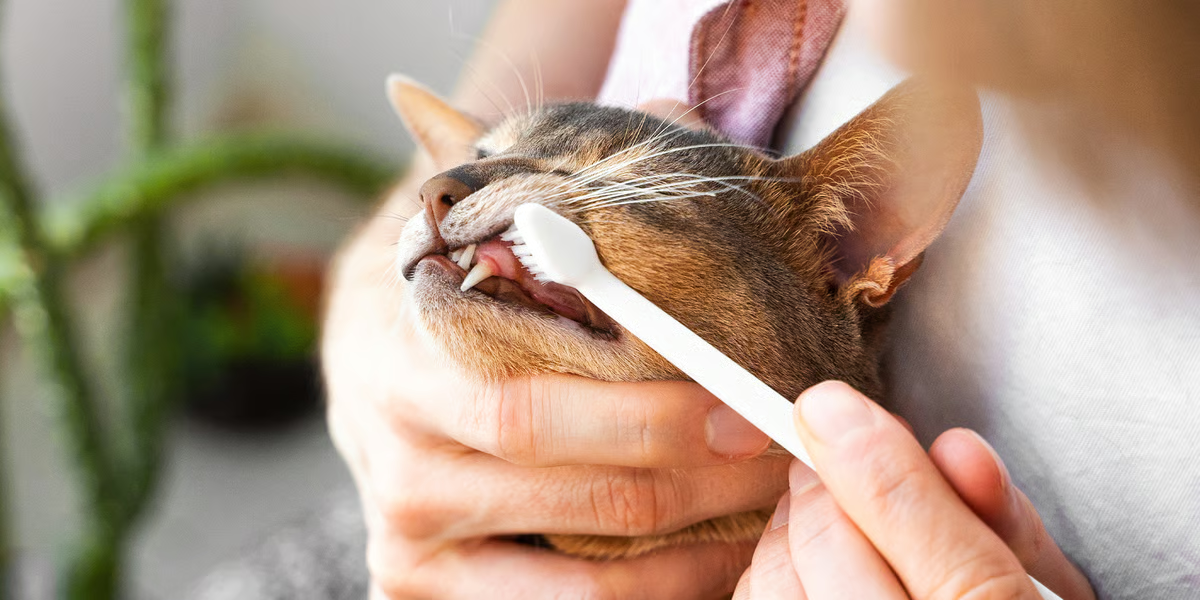
Oral care is one of the most overlooked aspects of pet health, yet it has a major impact on overall well-being. I have discovered that brushing your pet’s teeth regularly is not just about fresh breath, it prevents gum disease, tooth decay, and even systemic health problems. Over the years, I have developed a routine that makes dental care manageable, effective, and even enjoyable for my pets.
Brushing your pet’s teeth can seem intimidating at first, but breaking it down into steps and making it a positive experience has helped me maintain my pets’ dental health consistently. The following is my step-by-step approach, which I’ve refined through trial, error, and observation.
Preparing for the First Brushing Session
Before introducing any dental tools, I prepare my pet and myself. I gather a pet-specific toothbrush and toothpaste. Regular human toothpaste is harmful to pets, so I always use formulas designed for animals.
I also select a calm, quiet environment for brushing. Pets respond better when they are relaxed, so I make sure to have treats nearby for positive reinforcement. At this stage, I focus on familiarizing my pet with the idea of oral care, letting them sniff the toothbrush and taste a bit of the toothpaste. This reduces anxiety during actual brushing sessions.
Getting Comfortable with Mouth Handling
Many pets are sensitive about having their mouths touched. I begin by gently lifting lips and touching the teeth and gums with my fingers. I do this for a few seconds at a time, gradually increasing duration over several days.
This step is crucial in making brushing your pet’s teeth a smooth process. By associating gentle handling with praise and treats, my pets learn to tolerate the sensation, which lays the foundation for using a toothbrush effectively.
Introducing the Toothbrush
Once my pet is comfortable with mouth handling, I introduce the toothbrush. I start by letting them lick a small amount of toothpaste from the brush, turning it into a game rather than a chore. This step often takes a few days, as patience is key.
I ensure that the toothbrush is soft-bristled and appropriately sized for the pet’s mouth. Using the correct brush prevents discomfort, reduces the risk of gum injury, and makes brushing your pet’s teeth more efficient.
The Brushing Technique
When it’s time to brush, I hold the toothbrush at a 45-degree angle to the gum line. This allows the bristles to reach the junction where plaque accumulates. I use small, circular motions on the outer surfaces of teeth, where most plaque builds up.
I focus on a few teeth at a time, gradually covering all areas. If my pet becomes restless, I take breaks and reward them with praise or a small treat. Over time, they learn that brushing your pet’s teeth is a routine, non-threatening part of their day.
Reaching the Hard-to-Access Areas
Molars and back teeth are often the hardest to reach. I gently lift the lips and maneuver the brush carefully to reach these areas. I avoid forcing the brush, as this can create fear or resistance.
By brushing these back teeth consistently, I significantly reduce the risk of tartar buildup and gum inflammation. Pets’ dental problems often start in these hidden areas, so addressing them is essential for long-term oral health.
Frequency and Duration
Consistency is key in brushing your pet’s teeth. I aim for daily brushing, but at minimum, I maintain a schedule of three to four times per week. Each session lasts about two to three minutes, gradually increasing as my pet becomes accustomed to the process.
Maintaining this schedule ensures that plaque does not have time to harden into tartar. Brushing your pet’s teeth regularly is far more effective than occasional intensive sessions, which can stress both the pet and the owner.
Making Brushing Enjoyable
Positive reinforcement transforms brushing from a chore into a bonding activity. I always offer praise, gentle petting, or small treats. Some pets even start looking forward to these sessions once they associate them with rewards.
I also keep the sessions short and playful at first, gradually increasing duration. This approach reduces stress and helps my pets remain calm, making brushing your pet’s teeth a routine part of our daily interaction rather than a struggle.
Using Finger Brushes
For pets that are particularly sensitive, I sometimes use finger brushes. These allow more tactile control and a gentler approach. I place the brush over my finger and gently rub the teeth and gums.
Finger brushes are especially useful for small pets or those new to brushing, as they provide a slower, more controlled experience. Over time, I transition to a standard toothbrush, but the finger brush helps establish comfort and trust early on.
Addressing Resistance
Some pets resist brushing despite gradual introduction. I break sessions into short intervals, only brushing a few teeth at a time. I also try different times of day, observing when my pet is most relaxed.
If resistance persists, I consult my veterinarian for advice. They can recommend dental wipes, rinses, or professional cleaning, which complement home brushing. Patience and observation are crucial; forcing brushing can cause anxiety and make oral care more challenging in the long run.
Monitoring Oral Health
While brushing your pet’s teeth, I monitor for signs of dental issues. Red or swollen gums, bleeding, foul odor, or loose teeth are red flags. Early detection allows for prompt intervention, preventing more serious problems.
I also check for discoloration or tartar buildup. Even with regular brushing, professional dental check-ups are necessary to maintain optimal oral health. Observing and documenting these changes helps me keep track of progress and address issues before they worsen.
Complementary Dental Care
In addition to brushing, I incorporate dental chews, toys, and a balanced diet. Chews designed to reduce plaque or massage gums enhance the benefits of brushing your pet’s teeth.
These complementary measures are not substitutes but rather support my regular brushing routine. Using multiple approaches ensures comprehensive care, reduces plaque accumulation, and strengthens overall oral health.
Dealing with Different Pet Species
Different pets require slightly different techniques. Dogs, cats, rabbits, and other small mammals have unique dental structures and sensitivities. I adjust my approach according to species, size, and temperament.
For example, cats often prefer quieter, shorter sessions, while dogs may tolerate longer brushing with more active engagement. Understanding these differences ensures that brushing your pet’s teeth is effective and stress-free for any type of pet.
Professional Dental Cleaning
Even with diligent home brushing, professional dental cleanings are sometimes necessary. I schedule routine check-ups to remove tartar, polish teeth, and inspect for hidden problems. These cleanings complement daily brushing and provide a higher level of care.
Professional intervention is especially important for pets prone to periodontal disease or those with complex dental structures. By combining home brushing with professional care, I ensure long-term oral health.
Teaching Pets to Accept Brushing
Repetition, patience, and positive reinforcement are key. I make brushing your pet’s teeth a predictable, pleasant part of the day. Over weeks and months, my pets associate the toothbrush and paste with attention, treats, and playtime.
Some pets even initiate sessions themselves once they recognize the routine. This willingness makes dental care much easier and reinforces the bond between pet and owner.
Avoiding Common Mistakes
I avoid several common mistakes that can undermine oral care. Using human toothpaste, brushing too hard, skipping sessions, or ignoring signs of discomfort can harm the pet and discourage cooperation.
I also refrain from forcing the mouth open or completing long sessions in a single attempt. Slow, steady, and patient brushing produces the best results while maintaining trust.
Maintaining Consistency
Consistency is the ultimate factor in effective oral care. I maintain a daily or near-daily routine, gradually increasing brushing time as my pet adapts. Predictable routines reduce stress and make brushing your pet’s teeth a natural part of daily life.
Even if I miss a session occasionally, I resume promptly rather than abandoning the habit. The key is steady, ongoing care rather than intermittent, intensive sessions that can create anxiety or resistance.
Benefits Observed Over Time
Through consistent brushing, I have observed multiple benefits. Pets exhibit healthier gums, reduced plaque, fresher breath, and fewer oral infections. Behavioral changes, such as less pawing at the mouth or reduced drooling, are also noticeable.
The long-term payoff is significant. Dental issues can lead to pain, systemic infections, and decreased quality of life. Brushing your pet’s teeth regularly is an investment in their health and comfort.
Troubleshooting Challenges
Sometimes, challenges arise despite preparation. I adapt by experimenting with toothbrush types, toothpaste flavors, session timing, or handling techniques. Consulting with veterinarians or professional groomers also provides new strategies.
Flexibility and observation are critical. By staying attuned to my pet’s responses, I refine brushing techniques to suit their personality and needs, ensuring ongoing success.
Incorporating Brushing Into Daily Life
To make brushing your pet’s teeth sustainable, I integrate it into daily routines, such as after meals or before bedtime. I keep tools accessible and maintain a calm, relaxed environment.
By making it a routine part of life, brushing becomes habitual for both the pet and me. Predictability reduces anxiety and establishes a reliable oral care regimen.
Conclusion
Brushing your pet’s teeth is a critical component of overall health. By following a step-by-step approach, preparing, familiarizing, brushing with correct technique, monitoring, and maintaining consistency, I ensure my pets enjoy better oral hygiene and fewer dental problems.
Combining regular brushing with professional cleanings, dental chews, and attentive observation creates a comprehensive oral care routine. Patience, positive reinforcement, and species-specific adjustments make brushing your pet’s teeth manageable and even enjoyable.
Implementing these practices has transformed my pets’ dental health, resulting in fresher breath, healthier gums, and stronger teeth. Over time, consistent brushing strengthens our bond and enhances their overall well-being, demonstrating that a few minutes a day can make a lifelong difference.