 By
Kelley Kelly
By
Kelley Kelly
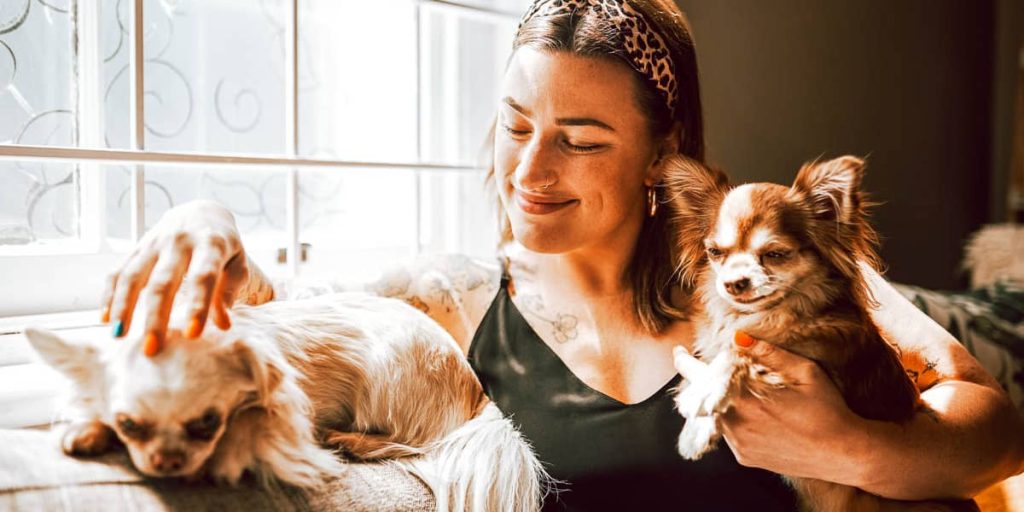
Keeping my pet healthy and happy isn’t just about feeding them the right food or making sure they get exercise. Over time, I’ve realized that creating a play/rest balance in your pet’s day is one of the most important aspects of their overall well-being. Too much activity can leave them exhausted or overstimulated, while too much rest can lead to boredom, weight gain, and even behavioral issues. The real challenge lies in figuring out the right mix so they stay energized, content, and well-adjusted.
Finding that balance takes observation, consistency, and a willingness to adapt based on your pet’s needs. I’ve spent years refining a routine that gives my pets the right amount of stimulation without pushing them into exhaustion. It’s about reading their signals, managing energy levels, and making sure they get both the excitement of play and the calm of rest.
Why Balance Matters for Pets
Just like humans, pets thrive when their daily activities include a healthy blend of movement and downtime. Active play strengthens muscles, supports heart health, and keeps their minds sharp. But without enough rest, they don’t get the recovery time needed for those benefits to sink in.
I’ve seen what happens when the balance tilts too far in one direction. If my dog spends the entire day chasing balls and going for long walks without enough time to relax, she becomes cranky and less responsive. On the other hand, if I let her lounge all day without exercise, she gets restless at night and sometimes engages in unwanted behaviors like chewing on things she shouldn’t.
The goal is to create a rhythm in their day that satisfies their need for both movement and relaxation.
Recognizing Your Pet’s Energy Patterns
Every pet has natural energy peaks and lows. My cat, for example, becomes most playful early in the morning and late in the evening, while my dog has bursts of energy mid-morning and mid-afternoon. By watching their habits closely, I’ve been able to schedule activities during their most alert times and let them rest when they naturally wind down.
Some pets are naturally high-energy and will need more play sessions spaced throughout the day. Others are more laid-back and might only need one or two bursts of active play to stay content. Matching playtime to these natural rhythms helps avoid pushing them when they’re tired or missing opportunities when they’re eager to move.
Structuring Playtime for Maximum Benefit
Playtime isn’t just about burning energy, it’s also a chance to strengthen bonds and provide mental stimulation. I like to mix different types of activities to keep things interesting.
For my dog, I rotate between fetch, tug-of-war, scent games, and training exercises. For my cat, I alternate between feather wands, treat puzzles, and climbing activities. The key is to keep sessions short and engaging, especially for younger or older pets who tire more easily.
If I know we’ve had a particularly active session, I make sure the following activity is calmer. This helps prevent overstimulation and keeps their energy levels steady throughout the day.
Building in Rest Periods
Rest is just as important as play, but it’s not always as easy to prioritize. I’ve learned that giving my pets quiet, comfortable places to relax helps them naturally slow down after active moments. For my dog, that’s her bed in a corner of the living room. For my cat, it’s a sunny spot near the window or a cozy perch.
Rest periods aren’t just for sleeping, they’re also for decompressing. After a play session, my pets often just lie down and watch the world for a while. These breaks give their bodies a chance to recover and their minds a moment to process stimulation.
The Role of Routine
Pets are creatures of habit, and having a predictable daily schedule makes it easier to maintain a healthy play/rest balance. I try to keep play and rest periods around the same times each day so my pets know what to expect. This predictability reduces anxiety and helps them settle into a comfortable rhythm.
Of course, flexibility is still important. If my pet is showing signs of extra energy, I might add an extra short play session. If they seem unusually tired, I’ll give them more time to rest.
Watching for Signs of Overstimulation
One of the biggest lessons I’ve learned is how to spot when my pets have had enough. With my dog, overstimulation shows up as frantic running, ignoring commands, or excessive barking. My cat starts flicking her tail, flattening her ears, or hiding when she’s had too much.
When I see these signs, I end the play session and guide them toward a quieter activity or a rest break. Ignoring these signals can lead to irritability, unwanted behaviors, or even injury.
Creating a Balance for Different Life Stages
Puppies and kittens have shorter attention spans and often need multiple short play sessions throughout the day, with naps in between. Adult pets can handle longer, more intense sessions, but they still need downtime. Seniors might need gentler activities but benefit from frequent rest breaks to avoid overexertion.
I adjust the intensity and frequency of play based on my pet’s age and health. When my dog was younger, we played fetch for long stretches. Now that she’s older, we take shorter walks and engage in slower-paced games that still keep her active without straining her joints.
Using Mental Stimulation to Balance Energy
Sometimes, mental play can be just as tiring as physical play. Puzzle feeders, scent trails, and training exercises work my pets’ brains and often leave them ready for a nap afterward. I use these activities when I want to provide enrichment without pushing them into physical overdrive.
Mixing mental challenges with physical activity helps create a more balanced day, especially when the weather makes outdoor play difficult.
The Impact of Environment
A peaceful environment during rest periods is essential. If there’s too much noise or constant activity in the house, my pets have a harder time relaxing. I make sure their resting spots are away from heavy foot traffic and loud sounds so they can truly recharge.
Similarly, having a safe and stimulating space for play keeps them engaged. For indoor pets, I set up designated play areas with toys and climbing structures. For outdoor time, I make sure the space is secure so they can move freely without risk.
Managing Multiple Pets
When you have more than one pet, balancing play and rest can get tricky. One pet might want to play while the other is ready to nap. I’ve learned to separate them when needed so each gets the kind of interaction they need at that moment.
Sometimes they’ll play together, but I still monitor closely to make sure the interaction isn’t too one-sided. If one pet looks tired while the other is still eager, I step in to give the tired one a break.
Knowing When to End Play
It’s easy to get caught up in the fun and let play sessions run too long. But ending on a positive note while your pet is still engaged is better than waiting until they’re completely worn out. This way, they associate play with enjoyment rather than exhaustion.
I usually end sessions with a calmer activity, like gentle petting or a slower-paced game, to help them transition into rest mode.
Balancing Play and Rest with Outdoor Time
Outdoor play offers unique benefits like fresh air, new smells, and a larger space to move. I try to combine outdoor activities with indoor downtime to balance the excitement of exploration with the comfort of home.
For my dog, that might mean a morning walk followed by a rest period indoors. For my cat, supervised outdoor time in a secure enclosure is followed by quiet indoor lounging.
The Role of Diet in Energy Levels
What pets eat can affect how much energy they have for play. I’ve noticed that feeding my pets high-quality, appropriately portioned meals helps maintain steady energy throughout the day. Overfeeding or offering too many high-calorie treats can lead to lethargy, while underfeeding can cause low energy and irritability.
Feeding schedules also play a role. I avoid intense play right after meals to prevent discomfort or, in dogs, the risk of bloat.
Adjusting for Special Needs
Pets with medical conditions may require a modified balance between play and rest. I work with my vet to create activity plans that match my pet’s abilities while still providing stimulation. This might mean shorter, more frequent play sessions or more mental games instead of physical ones.
Even pets with mobility challenges can enjoy gentle play and enrichment activities that keep them engaged without straining their bodies.
Reading Your Pet’s Feedback
The most valuable tool in creating a play/rest balance in your pet’s day is paying attention to how they respond. If they seem calmer, healthier, and more content, you’re probably on the right track. If they’re restless, cranky, or overly tired, it’s a sign that something needs adjusting.
I tweak our routine based on these cues, always aiming for a balance that leaves my pets satisfied and relaxed.
Building a Lifelong Habit
Balancing play and rest isn’t a one-time task, it’s an ongoing process. As pets age, their needs change, and I adapt our daily rhythm accordingly. What works for a young, energetic dog or cat won’t necessarily suit them in their senior years.
By making balance a core part of their routine from the start, it becomes second nature for both of us.
Final Thoughts
Creating a play/rest balance in your pet’s day isn’t about following strict rules, it’s about observing, adjusting, and finding a rhythm that keeps them healthy, happy, and at ease. For me, it’s one of the most rewarding parts of being a pet owner because I can see the difference it makes in their behavior and overall well-being.
When I look at my pets at the end of the day, content after play, relaxed during rest, I know we’ve found a balance that works for them. And in the end, that balance is what helps them lead the healthiest, happiest life possible.