 By
Kelley Kelly
By
Kelley Kelly
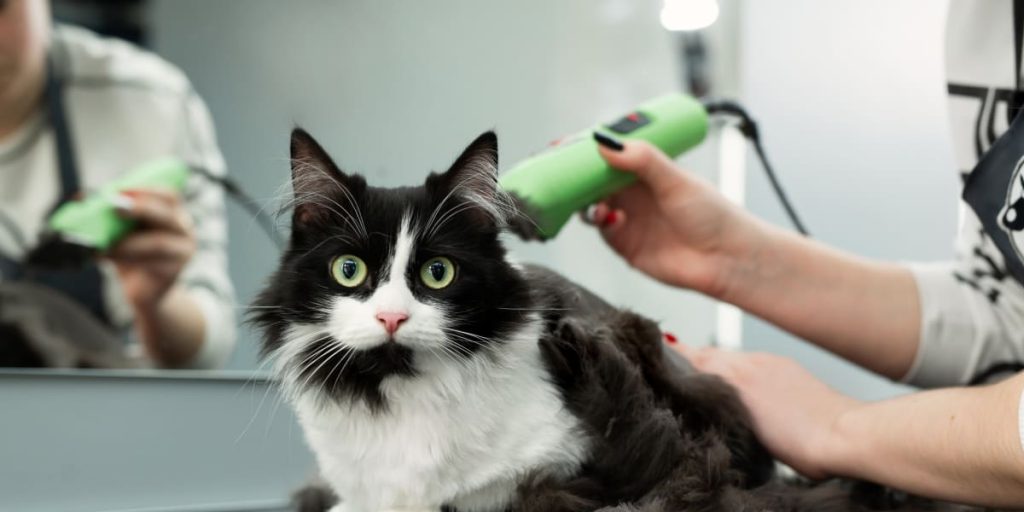
Pampering my pets has become one of my favorite ways to bond with them, and over time, I have developed a structured approach to creating a spa day routine for your pet. This routine goes beyond a simple bath; it combines grooming, relaxation, and sensory experiences that leave my pets calm, clean, and happy. A dedicated spa day also helps me monitor their health, notice subtle changes in behavior, and address small issues before they become bigger problems.
Preparing for the Spa Day
Preparation is the foundation of a successful spa day. I start by gathering all the tools and products I need: a pet-specific shampoo, conditioner, soft brushes, nail clippers, ear cleaning solution, and towels. I make sure everything is easily accessible to avoid interrupting the flow of the session.
Next, I choose a quiet and comfortable location where my pet feels safe. I often use the bathroom for bathing, but I also like to set up a relaxation space with soft music, a cozy mat, and some toys. Creating a positive environment helps my pets remain calm and enjoy the experience.
Before any grooming begins, I spend a few minutes playing gently or giving treats. This helps set a positive tone and signals that the spa day is a time for care and attention rather than stress.
Brushing and Detangling
I always begin the spa routine by brushing my pet’s coat. Brushing removes loose hair, prevents matting, and stimulates circulation. I adjust the brush type according to their coat, soft bristles for short-haired pets and slicker brushes for longer coats.
Brushing also gives me a chance to check for skin issues, bumps, or parasites. I handle tangles patiently, often using a detangling spray if needed. At this stage, I notice that pets relax more as they feel the gentle strokes, which makes the subsequent steps easier.
Bath Time
Bathing is the central part of any spa day. I fill the tub with lukewarm water and use a detachable shower head when possible for control. I always use pet-specific shampoos and conditioners to protect their skin and coat.
I start by wetting the coat thoroughly, then applying a small amount of shampoo and massaging it gently. The massage not only cleans but also relaxes muscles and reduces anxiety. I rinse thoroughly to avoid residue, then follow with a conditioner if the coat is long or prone to dryness.
Bath time is also an opportunity to teach my pets patience and tolerance. By speaking softly, using treats, and moving at a comfortable pace, I ensure the experience is positive and stress-free.
Nail Care and Paw Treatment
After the bath, I move on to nail trimming and paw care. I inspect each paw carefully, checking for cracks, debris, or irritation. Using pet-friendly nail clippers, I trim small amounts at a time to avoid discomfort.
I often finish with a paw balm or moisturizer to keep pads soft and prevent cracking. This step not only enhances comfort but also helps prevent infections or injuries.
Ear Cleaning and Eye Care
During the spa day, I also focus on ear cleaning and eye care. Using a gentle, pet-approved ear cleaning solution, I carefully wipe the outer ear and avoid inserting anything deep into the canal.
For the eyes, I use a damp, soft cloth to remove tear stains or discharge. These small touches are essential for maintaining overall hygiene and health. Regular attention helps me catch potential problems early, whether it’s an ear infection or irritation around the eyes.
Massage and Relaxation
One of my favorite parts of creating a spa day routine for your pet is the massage. After grooming, I dedicate time to gentle, slow strokes along the back, neck, and limbs. Massage reduces tension, promotes circulation, and strengthens the bond between us.
I also incorporate aromatherapy using pet-safe essential oils in a diffuser. Scents like lavender or chamomile create a calming atmosphere, enhancing relaxation during and after the session.
Grooming Finishing Touches
Once the core grooming is done, I focus on finishing touches. This may include brushing out the coat one final time, applying a light leave-in conditioner, or spritzing a pet-safe deodorizing spray.
I often take a moment to trim any stray hairs around the face or sanitary areas, ensuring my pet feels and looks their best. These details make the spa day feel complete and polished.
Creating a Routine
Consistency is key. I schedule spa days regularly, whether monthly or bi-weekly depending on the pet’s coat type and activity level. By establishing a routine, my pets learn to anticipate and enjoy these sessions rather than fear them.
I usually keep a checklist of tasks for each spa day, which ensures that nothing is missed and the routine flows smoothly. This structured approach helps me maintain thorough care without becoming overwhelming for my pet or myself.
Incorporating Play and Treats
Creating a spa day routine for your pet is not just about grooming, it’s about making the experience enjoyable. I incorporate gentle play, interactive toys, and treats throughout the process.
By rewarding cooperation and participation, I reinforce positive behavior. My pets come to associate spa day with attention, pampering, and fun, which makes future sessions easier and more enjoyable.
Special Considerations for Different Pets
Different pets require tailored approaches. For example, dogs often tolerate longer sessions and water baths, while cats may prefer shorter, calmer routines and sponge baths. Small mammals like rabbits or guinea pigs need extra care with water exposure and gentle handling.
I adjust timing, techniques, and tools according to each pet’s temperament and species. Flexibility ensures the spa day remains a positive experience regardless of who is receiving the pampering.
Monitoring Health During Spa Day
Spa days provide a unique opportunity to observe my pet’s health. I check the skin for dryness, redness, or irritation, inspect teeth and gums, and notice changes in weight or coat condition.
These observations help me catch minor health issues early, often before they become serious. Grooming is more than appearance, it’s a preventive health measure that keeps my pets feeling their best.
Stress Management Techniques
Sometimes pets feel anxious during spa days. I manage this by using a calm voice, slow movements, and frequent breaks. I also use towel wraps or soft mats to provide a sense of security.
When pets become tense, I pause the session, offer treats, and resume once they are relaxed. Over time, these strategies reduce fear and build trust, making spa days a peaceful, enjoyable experience.
Making Spa Day a Bonding Experience
Beyond grooming, spa day strengthens my relationship with my pets. Gentle touch, attention to needs, and shared calm moments deepen trust. I notice that pets often seek out attention and even participate voluntarily once they recognize the routine.
This bond-building aspect is just as valuable as the hygiene and health benefits. Spa day becomes a special ritual that both my pets and I look forward to, creating memories while promoting well-being.
Maintaining Hygiene Between Spa Days
While spa days are comprehensive, daily maintenance is also important. Brushing coats, cleaning paws, wiping eyes, and checking ears between sessions keeps pets comfortable and reduces the intensity of full spa days.
These smaller routines complement the larger spa day, maintaining cleanliness, reducing shedding, and preventing buildup of dirt or bacteria.
Incorporating Seasonal Adjustments
I also adapt spa routines based on seasons. In summer, I focus on cooling baths, flea prevention, and sun-protective grooming. In winter, I prioritize moisturizing baths, paw care for salt exposure, and warm towels to keep my pets comfortable.
Seasonal adjustments ensure that spa days address specific needs, making them more effective and beneficial throughout the year.
Tools and Products I Prefer
Through experience, I have found certain tools and products essential for successful spa days. Soft bristle brushes, wide-toothed combs, pet-safe shampoos and conditioners, nail clippers, ear wipes, and gentle towels form my core toolkit.
Investing in quality tools makes a significant difference in comfort and efficiency. My pets tolerate grooming better when the tools are appropriate for their size, coat, and temperament.
Creating a Positive Atmosphere
Atmosphere is crucial in creating a spa day routine for your pet. I use soft music, dim lighting, and calm voices. I also allow for short breaks where pets can relax on their own terms.
A positive, stress-free environment reinforces good behavior and helps my pets enjoy the session rather than dread it. Over time, they associate spa day with relaxation and pleasure, making each session easier to conduct.
Conclusion
Creating a spa day routine for your pet combines grooming, relaxation, and health monitoring into a single experience. By preparing carefully, using appropriate tools, and focusing on positive reinforcement, I have transformed these sessions into enjoyable rituals for my pets.
Regular spa days improve coat condition, maintain hygiene, reduce stress, and allow me to observe health changes early. Incorporating massages, paw care, nail trimming, ear cleaning, and gentle baths ensures comprehensive care.
By making spa day a routine, adjusting for seasons and species, and emphasizing a positive environment, pets become more comfortable with grooming and even anticipate these moments. Creating a spa day routine for your pet strengthens our bond, promotes well-being, and ensures that my pets remain healthy, clean, and happy throughout the year.