 By
Kelley Kelly
By
Kelley Kelly
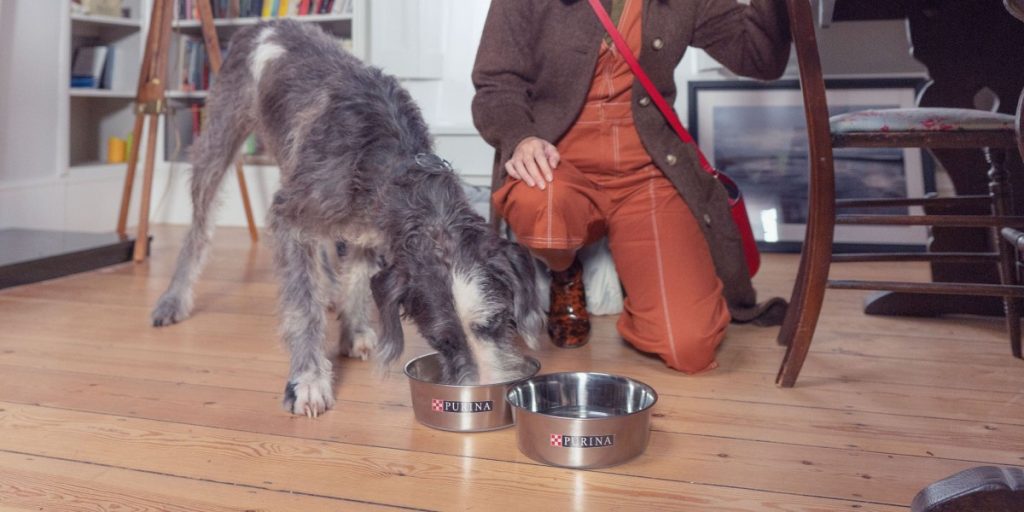
Healthy treats can make all the difference in your pet’s daily life. They can provide a boost of nutrition, reward good behavior, and add a bit of excitement to mealtime. I’ve always been passionate about preparing fresh, wholesome snacks for my pets, partly because I like knowing exactly what’s in them and partly because it gives me peace of mind to avoid unnecessary additives. Making your own treats isn’t as complicated as it sounds, and it can even become a fun part of your routine.
Why Homemade Treats Work for Me
Store-bought treats can be convenient, but many are filled with preservatives, artificial colors, and low-quality fillers. I prefer knowing that the ingredients I use are fresh, safe, and beneficial for my pets’ health. Over time, I realized that diy healthy treat recipes for pets allow me to tailor snacks to my pets’ needs, whether that means avoiding allergens, adding extra nutrients, or simply making something they love.
My Basic Guidelines for Healthy Pet Treats
Before I started experimenting in the kitchen, I set a few rules for myself. First, the ingredients should be safe for the species I’m making treats for. For example, no onions, chocolate, grapes, or artificial sweeteners like xylitol for dogs, and no toxic plants for cats. Second, the treats should be nutritionally balanced in the sense that they don’t replace a complete meal but also don’t overload my pet with sugar, fat, or salt. Finally, they should be easy to prepare and store so I can make them regularly without stress.
Simple Oven-Baked Dog Biscuits
One of my go-to diy healthy treat recipes for pets is a batch of oven-baked dog biscuits. These are great because they store well and can be made in large batches. I mix whole wheat flour, rolled oats, and a bit of peanut butter (without xylitol), then add an egg and water until it forms a dough. I roll it out, cut it into shapes, and bake until crisp. My dog goes crazy for these, and I feel good knowing they’re free from questionable ingredients.
Frozen Summer Snacks
During the hotter months, frozen treats become a lifesaver. I often blend plain yogurt with fresh blueberries or strawberries, pour the mixture into silicone molds, and freeze it. These icy snacks are a refreshing way for my pets to cool down, and they’re full of vitamins. The best part is that they’re quick to prepare, making them a great addition to my diy healthy treat recipes for pets collection.
Cat-Friendly Tuna Bites
My cats are picky, so I have to get creative. One recipe they love is tuna bites made with canned tuna in water, an egg, and a bit of oat flour. I blend everything together, roll the mixture into tiny balls, and bake until firm. They’re soft enough for cats to chew easily but still have a satisfying texture.
Sweet Potato Chews
For a simple, single-ingredient treat, I slice sweet potatoes into thin strips and bake them at a low temperature until they’re chewy. They’re naturally sweet, packed with fiber, and last for weeks in an airtight container. My dog thinks they’re a special reward, but I know they’re actually one of the healthiest snacks I can offer.
Incorporating Supplements Into Treats
Sometimes I use treats as a way to sneak in supplements my pets might otherwise avoid. For example, I can mix fish oil into biscuit dough or hide probiotics in a soft, baked treat. It’s a practical way to make sure they’re getting extra nutrients without making mealtime a struggle.
Grain-Free Options
Not every pet can tolerate grains, so I also have grain-free recipes in my rotation. Coconut flour, almond flour, or chickpea flour can replace wheat flour in many baked treats. I’ve found that grain-free biscuits with pumpkin puree and eggs are a hit with both dogs and cats.
The Importance of Portion Control
It’s easy to get carried away when handing out treats, especially when your pet looks at you with those irresistible eyes. But even healthy snacks should be given in moderation. I keep treats small and adjust the number depending on my pet’s daily activity level and overall diet. This way, the treats enhance their diet without adding unnecessary calories.
Cooking vs. Dehydrating
Baking isn’t the only way to make treats. Dehydrating is another excellent method because it preserves nutrients and creates long-lasting snacks. I sometimes use a food dehydrator to make chicken jerky for my dog or dried salmon bites for my cats. Both are high in protein and free from preservatives.
Seasonal Treat Ideas
I like to get creative with seasonal ingredients. In autumn, pumpkin is a staple in my kitchen, so I make pumpkin oat biscuits or pumpkin yogurt pops. In summer, watermelon purée frozen into cubes becomes a favorite. Seasonal treats keep things interesting and give my pets a variety of flavors throughout the year.
Treats for Special Occasions
I also enjoy making treats for birthdays, adoption anniversaries, or holidays. For example, a “birthday cake” for my dog might be made from layers of sweet potato mash and ground turkey, topped with a few biscuits. It’s a fun way to celebrate without resorting to sugary human desserts.
Storing Homemade Treats
Proper storage is essential for keeping homemade treats fresh and safe. Most baked treats can be stored in an airtight container at room temperature for a few days, in the fridge for a week, or in the freezer for longer periods. I label everything with the date I made it so I don’t forget when it’s time to use them up.
Budget-Friendly Tips
Making your own treats can save money, especially if you buy ingredients in bulk or use leftovers from your own meals (as long as they’re safe for pets). For instance, leftover plain cooked chicken can be chopped into small pieces and baked into biscuits or used in frozen snacks.
Involving the Family
One of the best things about diy healthy treat recipes for pets is that they can become a family activity. Kids can help roll dough, cut shapes, or fill molds. It’s a fun way to bond with both your family and your pets while teaching children about healthy eating for animals.
Keeping Safety in Mind
Whenever I try a new recipe, I introduce it slowly and watch for any signs of allergies or digestive upset. I avoid anything with excessive fat, sugar, or salt, and I always double-check that all ingredients are pet-safe. The goal is to make treats that are as safe as they are delicious.
How Treats Fit Into the Bigger Picture
Treats are just one part of a healthy pet care plan. They should complement a balanced diet, regular exercise, and routine vet care. By focusing on nutrition and moderation, I can make sure my pets enjoy their snacks without compromising their health.
Why I’ll Keep Making My Own Treats
Over time, I’ve realized that making treats isn’t just about feeding my pets, it’s about investing in their well-being. When I see them enjoying something I made with my own hands, it reinforces the bond we share. It also reassures me that I’m doing my part to keep them happy, healthy, and active.
Final Thoughts
Healthy, homemade treats aren’t just a trend, they’re a sustainable and rewarding way to care for pets. By focusing on safe, fresh ingredients and avoiding unnecessary additives, I’ve been able to give my pets snacks that make them wag, purr, and beg for more. The process has become a joyful part of my routine, and I can’t imagine going back to store-bought options alone.