
 By
Kelley Kelly
By
Kelley Kelly
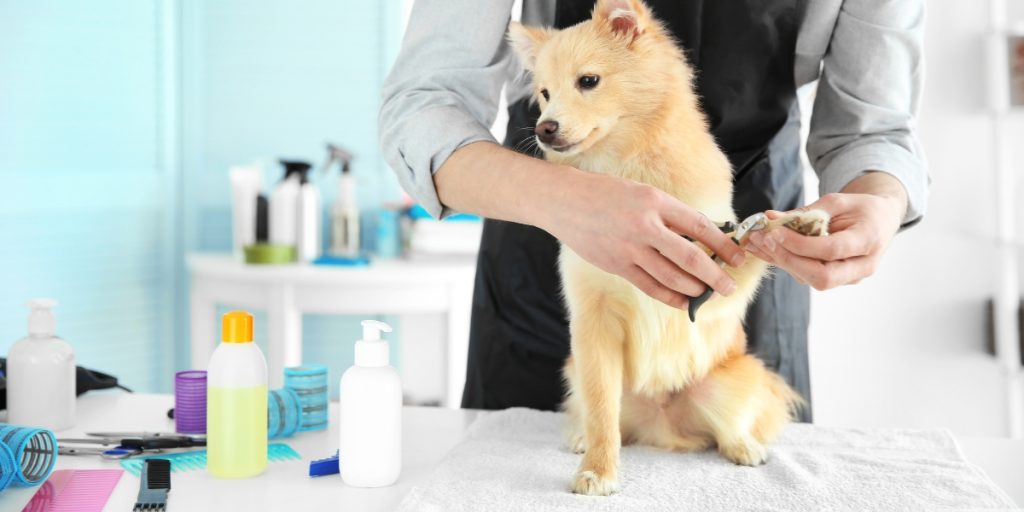
Maintaining my pets’ health has always been a priority, and over the years I’ve learned that grooming goes far beyond aesthetics. Grooming habits that prevent skin issues are essential for keeping pets comfortable, healthy, and happy. Skin problems can develop quietly, often unnoticed until they become uncomfortable or painful, so implementing consistent grooming routines is crucial.
Through experience, I’ve found that regular care, attention to coat and skin, and preventive measures significantly reduce the risk of irritation, infections, and other skin issues. While every pet is different, establishing structured grooming habits has helped me maintain the overall health of my pets’ skin and coat.
The Role of Regular Brushing
Brushing is one of the most important grooming habits that prevent skin issues. I brush my pets daily or several times a week depending on their coat type, focusing on removing loose hair, dirt, and debris. This prevents matting, which can trap moisture and create the perfect environment for bacterial or fungal infections.
Through brushing, I also stimulate natural oil production, which keeps the skin moisturized and the coat shiny. Neglecting brushing can lead to dry patches, irritation, and discomfort. Over time, I’ve noticed that pets with consistent brushing routines have fewer hotspots, reduced shedding, and healthier skin overall.
Bathing Practices That Support Skin Health
Regular bathing is another key component. I avoid over-bathing, which can strip natural oils and dry out the skin, but I also make sure that pets are bathed often enough to remove dirt, allergens, and excess oils. Using gentle, pet-safe shampoos is essential. Harsh chemicals can cause itching, redness, and long-term skin sensitivity.
I learned early on to rinse thoroughly after every bath. Residue from shampoo or conditioner can cause irritation, so I always make sure the coat is completely clean. Bathing also gives me the opportunity to inspect my pets’ skin for abnormalities, bumps, or signs of infection, catching issues early before they escalate.
Proper Drying Techniques
Drying is often overlooked, but it plays a major role in grooming habits that prevent skin issues. I use a combination of towels and low-heat blow dryers to ensure that the coat is completely dry, particularly for long-haired breeds. Damp fur can trap bacteria and lead to fungal infections or hotspots.
I also pay attention to areas prone to moisture retention, such as under the ears, between toes, and skin folds. Ensuring these areas are dry prevents the development of infections and keeps my pets comfortable. Over time, proper drying has become an automatic step in my grooming routine.
Nail Care and Skin Health
Trimming nails may seem unrelated to skin care, but it is actually quite important. Long nails can alter the way pets walk, leading to uneven pressure and friction that may irritate the skin on paws and joints. I maintain a regular nail-trimming schedule to prevent scratches, discomfort, and potential injuries that can become infected.
I also inspect the paw pads during nail care, checking for cracks, cuts, or foreign debris. Healthy paws contribute to overall skin health, and regular trimming is a simple step that prevents problems before they develop.
Ear Cleaning and Preventing Irritation
Regular ear cleaning is a grooming habit that prevents skin issues, particularly in pets with floppy ears or those prone to wax buildup. I gently clean the outer ear with a pet-safe solution, removing dirt, wax, and moisture.
Dirty or wet ears can lead to infections, which often cause redness, swelling, and discomfort. Keeping ears clean reduces the risk of irritation spreading to surrounding skin areas. I learned to make ear care part of my routine, integrating it with baths or weekly grooming sessions for consistency.
Checking for Parasites
Fleas, ticks, and mites are a common cause of skin problems. I include regular inspections in my grooming habits that prevent skin issues. Using a fine-toothed comb, I check for signs of parasites, focusing on areas where infestations are most likely to occur, such as around the neck, under the tail, and behind the ears.
I also apply preventive treatments as recommended by my veterinarian. Early detection and prevention minimize the chance of irritation, infection, and secondary skin problems caused by scratching or biting. Regular grooming provides an opportunity to address these issues promptly.
Recognizing Early Signs of Skin Problems
A key component of my grooming routine is paying attention to subtle changes in the skin. Redness, flakiness, hot spots, bumps, or excessive scratching are signs that something may be wrong. The sooner these issues are addressed, the less severe they become.
I keep a journal of any recurring skin concerns, noting patterns related to diet, environment, or seasonal changes. Over time, this record helps me anticipate and prevent flare-ups, ensuring that grooming habits are proactive rather than reactive.
Coat Maintenance for Specific Breeds
Different coat types require different approaches. I tailor my grooming habits that prevent skin issues according to the breed, coat length, and texture. Long-haired pets need frequent detangling to avoid matting, while short-haired pets benefit from regular brushing to remove loose fur and distribute oils.
Double-coated breeds often require seasonal grooming to manage shedding and undercoat removal. Neglecting these specific needs can lead to irritation, clogged follicles, and hotspots. By adapting my routine to the coat type, I maintain healthier skin and a more comfortable pet.
Diet and Hydration
While not strictly a grooming habit, diet and hydration influence skin health. I ensure my pets receive a balanced diet with sufficient omega fatty acids, which support skin integrity. Hydration keeps the skin supple and helps prevent dryness and flakiness.
When combined with consistent grooming, proper nutrition reinforces the skin barrier, reduces irritation, and helps prevent common dermatological issues. I often notice an immediate improvement in coat sheen and softness after making dietary adjustments in conjunction with grooming.
Seasonal Adjustments in Grooming
Skin needs vary with the seasons. During winter, indoor heating can dry out the skin, while summer heat and humidity can increase moisture-related issues. I adjust my grooming habits that prevent skin issues based on the time of year, increasing moisturizing care in dry months and ensuring thorough drying in humid conditions.
Seasonal shedding also requires attention. I use de-shedding tools during heavy shedding periods to prevent fur accumulation that can trap dirt and irritants close to the skin. Regular adjustments keep my pets comfortable throughout the year.
Avoiding Over-Grooming
Over-grooming can be as harmful as neglecting grooming. I have learned to strike a balance between maintaining hygiene and avoiding excessive bathing, brushing, or trimming. Over-bathing can strip natural oils, leading to dry, itchy skin, while too much brushing can cause irritation or hair breakage.
I monitor my pets’ reactions and coat condition, adjusting the frequency of grooming activities accordingly. Being attentive rather than rigid ensures that grooming supports skin health rather than undermines it.
Using Appropriate Grooming Tools
Choosing the right grooming tools is essential. I use brushes, combs, and clippers designed for my pets’ coat type to prevent pulling, tearing, or irritation. Rubber brushes, slicker brushes, and fine-toothed combs all serve specific purposes, and using the correct one ensures a gentle, effective grooming session.
I also maintain my tools by cleaning and sanitizing them regularly. This prevents the spread of bacteria, fungi, or mites, which could otherwise lead to skin problems. High-quality, well-maintained tools are a cornerstone of my preventive grooming approach.
Creating a Positive Grooming Experience
Grooming is most effective when pets are relaxed and cooperative. I incorporate treats, praise, and calm handling to create positive associations. Stress and anxiety can exacerbate skin conditions through excessive scratching, licking, or over-grooming.
By keeping grooming sessions calm and rewarding, I reduce the risk of behavioral issues that lead to skin irritation. Making grooming a positive experience strengthens trust and encourages pets to tolerate regular care.
Regular Veterinary Check-Ups
Grooming habits that prevent skin issues are enhanced by routine veterinary visits. I combine home and professional grooming with annual or biannual check-ups to catch potential skin problems early. Vets can recommend medicated shampoos, supplements, or treatments for conditions that cannot be addressed through standard grooming alone.
Professional guidance complements my grooming routine, providing a comprehensive approach to skin health. Early intervention is particularly important for chronic or breed-specific dermatological issues.
Monitoring Environmental Factors
Environmental factors play a role in skin health. I pay attention to allergens, chemicals, and irritants in my pets’ surroundings. Regular grooming allows me to remove pollen, dust, and debris from the coat before it contacts the skin.
I also wash bedding, toys, and frequently used areas to reduce exposure to irritants. Combining environmental management with consistent grooming helps maintain healthy skin and prevents flare-ups of allergic reactions or dermatitis.
Building Consistency
Consistency is the ultimate key. I have found that pets thrive when grooming becomes part of their routine rather than a sporadic activity. Daily or weekly habits, tailored to the pet’s needs, keep skin issues at bay.
Structured routines, combined with careful observation, proper tools, and preventive measures, create a foundation for lifelong skin health. Consistency also helps me detect early changes and act quickly, which is far more effective than reacting to advanced skin problems.
Personal Experience and Observations
Over the years, integrating grooming habits that prevent skin issues has transformed my pets’ health. Their coats are softer, their skin is less irritated, and they exhibit fewer signs of discomfort. I have also noticed a reduction in vet visits related to skin infections or allergies.
Each pet responds differently, but the combination of brushing, bathing, drying, nail care, ear cleaning, parasite control, and positive reinforcement has consistently improved overall skin health. Observing these benefits firsthand has reinforced my commitment to diligent grooming.
Conclusion
Grooming habits that prevent skin issues are essential for maintaining the health, comfort, and happiness of pets. From regular brushing and baths to proper drying, nail care, ear cleaning, and parasite prevention, every step contributes to healthy skin.
By tailoring routines to breed, coat type, diet, season, and environment, I ensure that my pets remain comfortable and free from irritation or infection. Professional guidance, positive reinforcement, and consistency amplify the benefits of these habits, creating a comprehensive approach to skin care.
Integrating these habits into daily and weekly routines has made a tangible difference in my pets’ lives. Their coats are vibrant, their skin is healthy, and they are more relaxed during grooming. Grooming is more than an aesthetic choice; it is a fundamental component of responsible pet care and wellness.
Implementing grooming habits that prevent skin issues has become an essential part of my relationship with my pets, ensuring they are healthy, comfortable, and happy for years to come.