 By
Kelley Kelly
By
Kelley Kelly
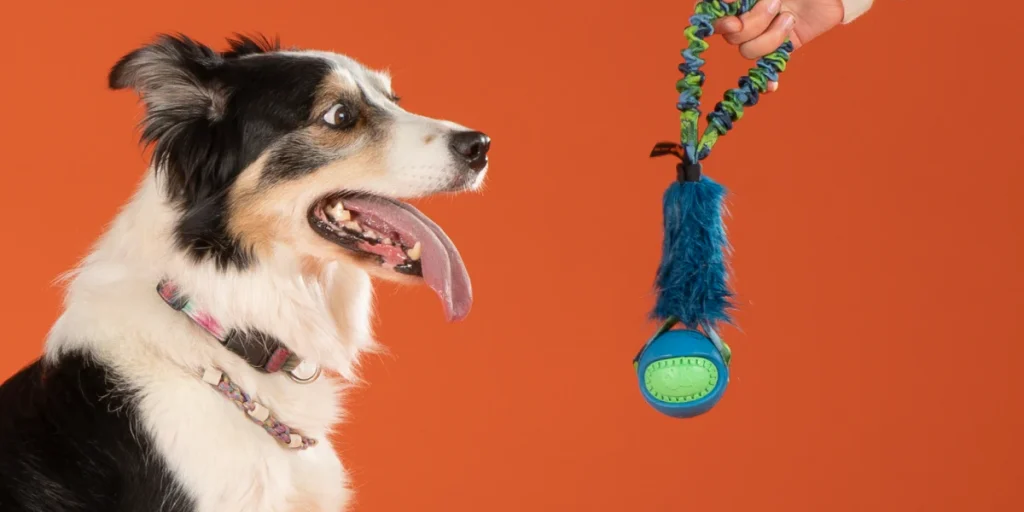
Anxiety in pets can show up in many ways, restlessness, excessive barking or meowing, destructive chewing, or even withdrawal. Over time, I’ve learned that structured play can be one of the most powerful tools to help manage these behaviors. By giving pets a healthy outlet for their energy and mental focus, we can create a calmer, happier environment for them. The process isn’t complicated, but it does require consistency and a little creativity.
Identifying Anxiety Triggers
Before setting up a play routine, I pay attention to what tends to trigger my pet’s anxiety. Some pets react strongly to loud noises, while others become unsettled when left alone. For some, even changes in the household can spark nervousness. Knowing these triggers helps me design play sessions that focus on relaxation and confidence-building rather than overstimulation. For example, if a dog gets anxious during thunderstorms, I plan calming indoor activities that keep their attention away from the noise outside.
Establishing a Predictable Schedule
A predictable routine can be incredibly reassuring to pets. I’ve noticed that when playtime happens at roughly the same times each day, my pets seem more settled overall. They begin to anticipate the fun, which replaces some of the tension with excitement. Morning and evening sessions work well for me, but the specific times aren’t as important as the consistency. Regularity builds trust, and trust helps reduce anxiety.
Balancing Physical and Mental Stimulation
A good play routine isn’t just about burning off physical energy, it’s also about engaging the mind. High-energy activities like fetch or tug are great for some pets, but mental challenges like puzzle toys or scent games can be just as important. For anxious pets, I like to mix the two. A game of fetch might be followed by a short scent search around the living room. This combination helps them expend energy and also practice focus, which can calm their nervous system.
Choosing Activities That Match Personality
Some pets thrive on chasing toys, while others prefer slow, steady games that allow them to use their problem-solving skills. I’ve found that the key is to choose activities they find naturally rewarding. For example, a cat that loves stalking might enjoy a feather wand or a slow-moving toy, while a dog with a strong nose might benefit from hide-and-seek with treats. Matching play to their instincts keeps them engaged without overwhelming them.
Using Play to Build Confidence
When I think about how to build a play routine that reduces anxiety, confidence-building is a big part of the picture. Pets that feel unsure or nervous benefit greatly from games that let them “win.” That might mean letting them catch the toy, solve the puzzle, or find the hidden treat every time. These small successes add up, helping them feel more in control and less anxious overall. I avoid games that create too much frustration, especially for pets already prone to nervousness.
Incorporating Calming Techniques into Play
Playtime doesn’t always need to be high-energy. I like to weave in calming activities, especially toward the end of a session. Gentle stroking, slow toy movements, or games that require lying down to solve a problem can help ease them back into a relaxed state. This is especially helpful for pets who get overly excited during play, as it prevents them from crashing into anxiety once the game stops.
Making Play Interactive
One of the most important things I’ve learned is that pets feel more secure when play involves me directly. While automated toys have their place, the bond we strengthen through hands-on games is irreplaceable. Whether it’s tossing a ball, dangling a toy, or setting up a scavenger hunt, my participation reassures them. This active engagement also allows me to watch for signs of stress and adjust the activity if needed.
Gradually Increasing Challenge
For anxious pets, starting with simple games and slowly increasing the difficulty is more effective than jumping into complex activities. This gradual approach helps them feel capable instead of overwhelmed. For example, with puzzle feeders, I might start with one that’s very easy to solve and gradually introduce ones that require more effort. Watching them master each step boosts their confidence and reinforces the idea that play is a safe and enjoyable experience.
Rotating Toys and Activities
Variety keeps playtime fresh without adding unpredictability. I keep a small collection of different toys and rotate them every week or two. This prevents boredom while still allowing pets to recognize and feel comfortable with the items they’re using. The familiarity of the toys, combined with the novelty of rotation, seems to strike a perfect balance for keeping anxiety at bay.
Setting the Right Environment
The space where play happens can affect how relaxed a pet feels. I prefer a quiet area where they won’t be startled by sudden noises or foot traffic. For anxious pets, playing in a familiar space also reduces stress. If I introduce a new play area, I do it gradually, letting them explore before starting any games. The more control they feel over the environment, the less likely they are to feel anxious.
Recognizing When to Pause
Part of how to build a play routine that reduces anxiety is knowing when to take a break. Some pets can become overstimulated, and pushing past that point can undo the calming effects of play. I watch for signs like panting, pacing, excessive vocalizing, or loss of focus. If these appear, I gently guide them into a more calming activity or allow them to rest. Respecting their limits helps build trust and keeps the routine positive.
Including Solo Play Opportunities
While interactive play is essential, I also make sure my pets have opportunities for solo play. Toys that can be enjoyed without my direct involvement help them self-soothe when I’m not available. This could be a safe chew toy for a dog or a track toy with rolling balls for a cat. Having access to these kinds of activities can prevent anxiety from building up when they’re alone.
Building Play into Daily Life
I don’t see play as something separate from the rest of our day, it’s part of the rhythm of our lives together. Quick games while waiting for dinner to cook, a few minutes of hide-and-seek before bed, or tossing a toy during TV time all contribute to the routine. These little bursts of joy help my pets associate everyday moments with fun and security, which can be a powerful tool against anxiety.
Tracking Progress and Adjusting
Every pet is different, and what works for one might not work for another. I keep an eye on changes in behavior, noting whether they seem calmer, more confident, or less reactive over time. If a certain game seems to cause stress rather than relieve it, I swap it out for something gentler. Flexibility is key to maintaining a routine that truly meets their needs.
Combining Play with Other Stress-Relief Strategies
Play works even better when paired with other calming techniques. I might use soothing music, pheromone diffusers, or massage alongside our routine. These extra touches can create a more relaxing atmosphere, making it easier for pets to shift from anxiety to contentment. Over time, the combination of play and these aids can transform their overall demeanor.
The Long-Term Benefits
When I think about how to build a play routine that reduces anxiety, I see it as an investment in my pet’s long-term well-being. Regular, thoughtful play can lead to better behavior, deeper trust, and a stronger bond. It also gives pets a healthy outlet for energy, which means fewer destructive habits and less stress for both of us. The benefits go beyond the immediate moment and contribute to a happier life together.
Staying Patient and Consistent
Results don’t always come overnight. Some pets take time to warm up to new routines, especially if they’ve had stressful experiences in the past. Patience and consistency are the most important tools in making this work. Even on busy days, I make sure to keep our play sessions, knowing that each one builds toward a calmer, more confident pet.
Encouraging Independent Confidence
One of my favorite things about this process is watching my pets become more self-assured. Over time, they begin to approach play with enthusiasm instead of hesitation. They initiate games, explore toys on their own, and handle small stressors more easily. This shift in behavior is a clear sign that the routine is working.
Creating a Safe and Joyful Routine
At its core, building a play routine that helps with anxiety is about creating moments of joy and safety. It’s about showing pets that their world is predictable, rewarding, and free of unnecessary stress. Every game, every small success, and every shared laugh strengthens the sense of security that allows them to truly relax. And for me, there’s nothing more rewarding than seeing my pets happy and at peace in their own home.