
 By
Kelley Kelly
By
Kelley Kelly
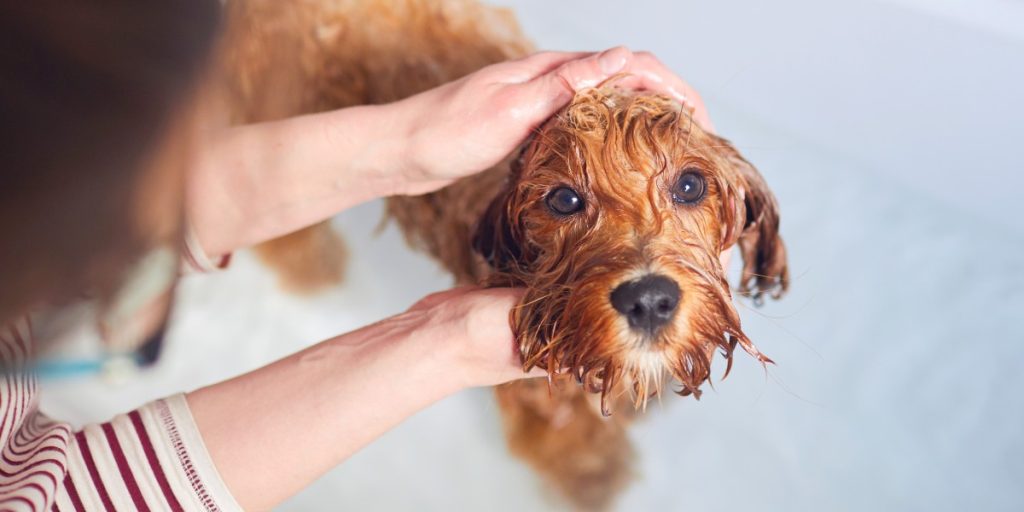
Grooming can be a stressful experience for many pets, but I’ve found that with the right approach, it can become an enjoyable part of their routine. Knowing how to make grooming enjoyable for pets has transformed my relationship with my animals, turning what was once a struggle into an opportunity for bonding and care. Over time, I discovered strategies that reduce anxiety, make sessions productive, and even leave pets looking forward to their next grooming.
Pets respond to patience, positive reinforcement, and consistency. Grooming sessions that are too long, rushed, or uncomfortable often create fear and resistance. I realized early on that breaking sessions into manageable segments, using rewards, and creating a calm environment changes their experience entirely.
Creating a Calm Environment
The first step in making grooming enjoyable is creating a calm, stress-free environment. I set up a quiet area in the house where pets feel safe, free from loud noises or distractions. Soft lighting, gentle music, or even natural sunlight helps create a relaxing atmosphere.
I avoid starting grooming immediately after a high-energy play session. Pets are often too excited to focus, and their energy can make brushing or nail trimming more challenging. Instead, I allow them to settle first, giving a few minutes of calm interaction before beginning.
Using Positive Reinforcement
Positive reinforcement is one of the most powerful tools in making grooming enjoyable. I reward pets with treats, praise, or gentle petting throughout the process. I learned that even small rewards for calm behavior or cooperation make a big difference.
Timing is crucial. I offer rewards immediately after a task, such as finishing a paw trim or a section of brushing. This helps pets associate grooming activities with positive outcomes. Over time, they anticipate the reward and participate willingly.
Breaking Grooming into Small Steps
Long, continuous sessions can be overwhelming. I break grooming into shorter, manageable steps, focusing on one area at a time. For example, I start with brushing a single paw or section of the coat before moving to the next.
This approach reduces stress and prevents resistance. It also allows me to pay closer attention to detail without rushing. Short sessions repeated regularly make pets comfortable and familiar with the routine.
Brushing Tips for Comfort
Brushing can be uncomfortable if done incorrectly, especially for pets with long or thick coats. I use gentle strokes, holding sections of fur to avoid pulling on the skin. Slicker brushes work well for long coats, while bristle brushes are effective for short-haired pets.
I discovered that brushing in the direction of hair growth prevents discomfort. Slow, steady movements reduce the chance of snagging knots, and occasional pauses for pets to relax make the session more enjoyable.
Nail Trimming Without Stress
Nail trimming is often the most dreaded part of grooming, but it doesn’t have to be. I make sure pets are comfortable by handling their paws regularly outside of grooming sessions, so they become accustomed to touch.
Using sharp, high-quality nail clippers and trimming small amounts at a time prevents pain and bleeding. I often trim a few nails each day rather than all at once, pairing each cut with a treat. Over time, pets learn to tolerate nail trims without anxiety.
Incorporating Play
Turning grooming into a playful experience can work wonders. I use interactive brushes, incorporate games, or let pets chase small toys between tasks. This creates a positive association and transforms the session from a chore into an enjoyable activity.
For cats, I sometimes use wand toys or feathers to redirect focus before brushing. For dogs, I include short fetch sessions between brushing or nail trims. By alternating tasks with play, pets remain engaged and happy throughout grooming.
Bathing Tips for Calm Pets
Bathing is another area where making grooming enjoyable is essential. I ensure the water is warm but not hot and use pet-safe shampoos that smell pleasant without irritating the skin.
I introduce water gradually, letting pets get accustomed to the sensation before starting a full bath. Gentle massaging motions while lathering help relax the muscles and create a spa-like experience. I also use calm, soothing tones when speaking to pets during baths, reinforcing a sense of security.
Creating a Routine
Pets thrive on predictability. I maintain a consistent grooming schedule so they know what to expect. Brushing, nail trims, ear cleaning, and baths occur at regular intervals, which reduces anxiety over time.
Consistency also helps me identify changes in health or behavior. A pet reluctant to participate in grooming may be experiencing discomfort or illness. By keeping a routine, I can detect these signs early and address them promptly.
Adapting Tools to Your Pet
Different pets respond better to specific grooming tools. I’ve learned to experiment with brushes, combs, and clippers to find what works best for each pet. Some enjoy softer bristle brushes, while others prefer the sensation of a slicker brush.
Investing in high-quality tools makes a difference in comfort and effectiveness. Dull clippers or cheap brushes often cause irritation and frustration. Having the right equipment ensures grooming is smooth, efficient, and enjoyable.
Using Scents and Sensory Comfort
Some pets respond positively to scents during grooming. I use lightly scented shampoos or sprays that calm and relax pets. Aromatherapy specifically formulated for animals can also enhance the experience, creating a spa-like atmosphere.
Soft towels and non-slip mats add to physical comfort, preventing slips and reducing stress during bathing or brushing sessions. Paying attention to sensory elements makes grooming a more pleasant experience overall.
Addressing Anxiety Gradually
Pets with grooming anxiety require a gradual approach. I start by simply introducing tools and letting them sniff or explore them without pressure. Handling paws, brushing small areas, or using clippers near but not on the body helps build confidence.
Each successful interaction is rewarded with praise or treats. Over time, pets become accustomed to the process and may even seek out grooming activities. Patience and incremental progress are essential when addressing anxiety.
Engaging Multiple Senses
I’ve found that engaging multiple senses during grooming keeps pets focused and relaxed. Gentle brushing combined with calm vocal cues, treats, and massage stimulates touch, taste, and hearing in a positive way.
For highly energetic pets, combining brushing with light training or mental games redirects excess energy and makes the session productive. A multi-sensory approach reinforces positive associations and keeps pets attentive and cooperative.
Bonding Through Grooming
Grooming is more than maintenance, it’s a bonding opportunity. I use each session to connect with my pets, observing body language, providing reassurance, and building trust. This emotional connection makes grooming enjoyable for both pets and owner.
Pets often anticipate grooming because it signals attention and care. By maintaining a calm, consistent, and positive approach, I’ve transformed what was once a stressful task into a time of connection and affection.
Tracking Progress
I keep notes on each grooming session, recording what worked and what needs adjustment. Tracking progress helps me refine techniques, choose appropriate tools, and schedule sessions effectively.
Recording successes, like a pet tolerating a nail trim or relaxing during a bath, reinforces the benefits of positive reinforcement. I can see improvements over time, making future sessions smoother and more enjoyable.
Seasonal Adjustments
Different times of the year require adaptations in grooming. I increase brushing frequency during shedding seasons, adjust bathing routines during hot or cold months, and monitor skin for seasonal sensitivities.
By adjusting routines seasonally, I prevent discomfort and maintain coat health. Pets remain calm and content because they experience consistent care tailored to their needs.
Dealing with Challenges
Even with careful planning, some pets resist certain tasks. I remain patient, take breaks when necessary, and avoid forcing cooperation. Rewarding small steps of progress rather than demanding perfection reduces stress for everyone involved.
I’ve also learned that consulting a professional groomer for particularly challenging tasks can provide guidance and techniques that make grooming more enjoyable. Learning from experts ensures pets remain comfortable and safe.
Encouraging Independence
Some grooming activities can be adapted for pets to do partially on their own. Self-grooming stations, scratching posts, and chew toys complement manual grooming and create a sense of autonomy.
Encouraging independent grooming behaviors reduces stress during direct sessions and promotes overall well-being. Pets feel more in control, which enhances their comfort and enjoyment.
Final Thoughts
Knowing how to make grooming enjoyable for pets requires patience, observation, and thoughtful planning. By creating a calm environment, using positive reinforcement, breaking tasks into small steps, and incorporating play, grooming becomes a rewarding experience for pets and owner alike.
Consistency, appropriate tools, and attention to sensory comfort make sessions pleasant and stress-free. Over time, pets learn to associate grooming with positive experiences, reducing anxiety and enhancing overall health.
By applying these strategies for how to make grooming enjoyable for pets, I’ve turned routine maintenance into an opportunity for connection, care, and trust. Grooming is no longer a chore but a cherished part of our daily life, benefiting both my pets’ physical health and emotional well-being.