
 By
Kelley Kelly
By
Kelley Kelly
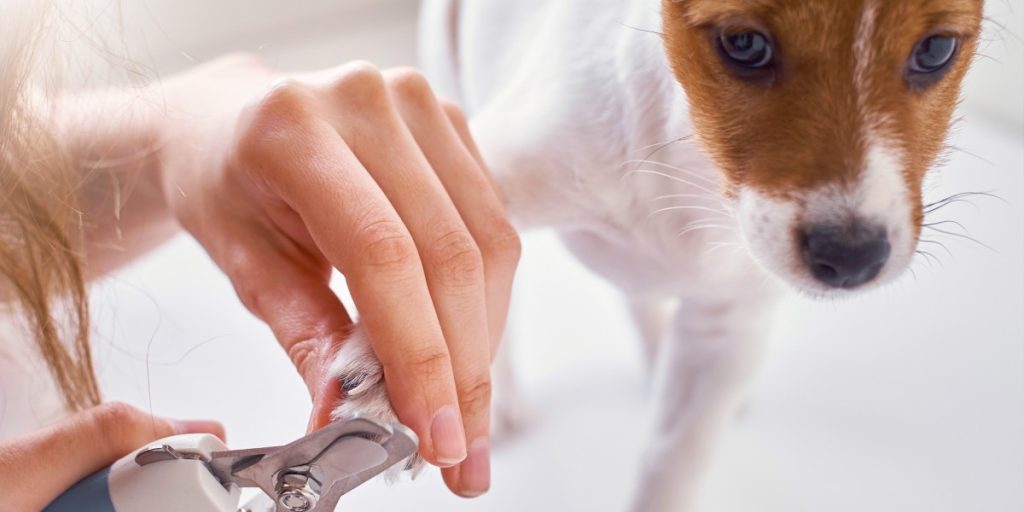
Nail care is one of those tasks that every pet owner knows is important, yet it often becomes a stressful ordeal for both the pet and the person holding the clippers. I’ve been through the struggles, chasing my dog around the living room, bribing my cat with treats, and wondering if there was a better way. Over time, I learned that nail trimming without the drama is possible, and it’s more about preparation, patience, and approach than raw skill with a trimmer.
Trimming nails regularly keeps pets comfortable, prevents painful overgrowth, and protects our floors, furniture, and skin from accidental scratches. Long nails can affect how a pet walks, lead to joint strain, or even curl back into their paw pads. The benefits are clear, but for many pets, the sound of the clipper or the pressure on their toes can make them anxious.
I’ve found that by changing how I introduce nail care, keeping sessions calm, and using the right tools, I can turn it from a dreaded event into a normal part of our routine. It takes effort, but it’s worth it for everyone involved.
Why Nail Care Is So Important
Healthy nails aren’t just about looks, they play a role in balance, movement, and comfort. When nails get too long, pets may shift their weight differently to avoid discomfort, which can strain muscles and joints over time. I’ve seen this in older dogs, where overgrown nails made walking more difficult.
There’s also the risk of splitting, cracking, or snagging a nail, which can be painful and sometimes require veterinary attention. Regular trimming avoids these issues, and it’s a good chance to check paws for cuts, swelling, or foreign objects.
Starting With a Calm Environment
One of the biggest lessons I learned about nail trimming without the drama is that environment matters as much as technique. If my pet is already stressed by noise, distractions, or unfamiliar smells, the process will be harder. I set up a quiet, comfortable space, sometimes on the couch with a blanket, other times on the floor with their favorite mat.
Soft background music or white noise helps mask the sound of clippers. I also make sure to have everything ready before I bring my pet over, trimmers, styptic powder for emergencies, treats, and a towel. That way, there’s no scrambling mid-trim, which could break their focus and cause anxiety.
Introducing the Tools Gradually
Most pets don’t like the sudden appearance of strange objects near their paws. I’ve learned to introduce clippers or grinders slowly. The first few times, I don’t even trim nails, I just let them sniff the tool, touch it to their paw, and then reward them.
With grinders, the sound can be intimidating, so I turn it on from a distance and gradually move it closer over multiple sessions. Treats, praise, and a relaxed tone help them build positive associations.
Finding the Right Time to Trim
Timing makes a big difference. I’ve had more success trimming nails after a long walk or play session when my dog is tired and less likely to squirm. For my cat, it’s easier when she’s in her usual nap window and feeling calm.
Some pets respond better after a meal, while others prefer before eating so they’re motivated by treats. I’ve found it’s worth experimenting to figure out the time of day that works best for each animal.
Holding Paws Comfortably
How I hold my pet’s paw affects their comfort and cooperation. I avoid gripping too tightly, which can make them pull away. Instead, I support the paw gently but securely, keeping my hand relaxed.
With dogs, I sometimes tuck them against my side or let them sit in my lap. With cats, I often wrap them loosely in a towel, leaving one paw out at a time. This keeps them from jerking away suddenly while still allowing them to feel somewhat free.
Knowing How Much to Trim
One fear that makes nail trimming without the drama harder is accidentally cutting the quick, the sensitive area inside the nail that contains blood vessels and nerves. If it’s nicked, it can cause bleeding and make pets afraid of future trims.
In light-colored nails, the quick is visible as a pinkish area. For dark nails, I trim tiny bits at a time, looking for a small dark dot in the center of the nail’s cross-section, which signals I’m getting close. Taking it slow is safer and less stressful.
Using the Right Tools
Not all trimmers are equal. Guillotine-style clippers work well for small to medium dogs, while scissor-style trimmers are better for thicker nails. Grinders are useful for smoothing edges and avoiding sharp points, especially for pets who tolerate the vibration.
I keep my tools sharp and clean, since dull blades can crush the nail rather than cut it cleanly, which is uncomfortable for pets. I also keep styptic powder nearby just in case I nick the quick, it stops bleeding quickly and prevents panic.
Working in Short Sessions
Trying to trim all nails in one go can be overwhelming for nervous pets. I’ve had better luck trimming just a few nails at a time, especially in the early stages. That way, my pet learns that nail trimming doesn’t mean a long, drawn-out ordeal.
Over time, they’ve become more accepting, and I can do all four paws in one session without stress. But it started with just one or two nails followed by plenty of praise and a break.
Turning It Into a Positive Experience
For nail trimming without the drama to work, the process has to be rewarding. I keep high-value treats ready and offer one after each nail or paw. Sometimes I follow trimming with a favorite game or cuddle session.
My pets now see nail trimming as a pathway to something fun, rather than something to fear. The goal isn’t just to get the nails cut, it’s to keep trust intact so the next time is easier.
Recognizing Signs of Stress
It’s important to watch for signs that my pet is getting overwhelmed, panting, lip licking, tail tucking, ears back, or attempts to escape. If I see these, I stop and give them a break rather than pushing through. Forcing it can make future sessions harder.
Pausing and coming back later keeps the experience manageable and preserves their trust in me.
Training From a Young Age
Starting nail care early makes a huge difference. Puppies and kittens can be gently handled and introduced to paw touches from the start. Even if I don’t trim nails right away, I’ll touch their paws during play or petting so they get used to it.
Early handling makes future trims far less dramatic because they’ve already learned that paw contact isn’t threatening.
Enlisting Help When Needed
Sometimes, having another person to hold or distract the pet is the best option. With larger or more energetic dogs, I’ve asked a family member to gently hold them while I trim. For my more nervous cat, an extra set of hands can mean the difference between a quick, smooth trim and a stressful struggle.
Considering Professional Grooming
If at-home trimming is too stressful despite all efforts, professional groomers or veterinary staff can help. They have experience and techniques for safely handling resistant pets. I still work on desensitization at home, but sometimes letting an expert handle it temporarily is the best choice for the pet’s comfort and safety.
When to Use a Grinder Instead
Some pets prefer the sensation of a grinder to clippers, especially if they’ve had a bad experience with cutting the quick. Grinders take more time but allow me to smooth nails gradually, reducing the risk of cutting too far. They also prevent sharp edges that can scratch floors or skin.
The sound and vibration can be intimidating at first, but slow introduction paired with rewards usually helps.
Creating a Routine
The more regular the schedule, the less resistance I get. I check nails weekly to decide if trimming is needed. For my dog, it’s usually every three to four weeks; for my cat, it’s closer to every six weeks.
By making it part of our grooming routine, like brushing or ear cleaning, it becomes expected rather than surprising. Pets handle it better when it’s predictable.
Adjusting for Different Seasons
I’ve noticed nail growth changes with the seasons. In winter, when my dog walks less on hard surfaces, her nails grow faster and need more frequent trims. In summer, pavement naturally wears them down, so trimming is less frequent.
Adjusting the schedule prevents overgrowth without unnecessary handling.
Avoiding Negative Associations
If something goes wrong, like hitting the quick, I take extra care to rebuild trust. That might mean going back to short, treat-filled sessions or letting a professional take over for a while. Pushing through fear only creates more resistance.
Ending on a Good Note
Regardless of how the session goes, I always end with something positive, extra treats, belly rubs, or a favorite toy. Ending on a pleasant note makes them more willing to participate next time.
Final Thoughts
Nail trimming without the drama isn’t about speed or force, it’s about patience, trust, and working at the pet’s pace. By creating a calm environment, introducing tools slowly, using the right equipment, and rewarding cooperation, I’ve turned nail care from a dreaded event into just another part of our routine.
Some pets may always need a little extra reassurance, but with consistent effort, the process can be stress-free for everyone involved. Over time, they learn that it’s not a punishment but simply another way we care for them.