
 By
Kelley Kelly
By
Kelley Kelly
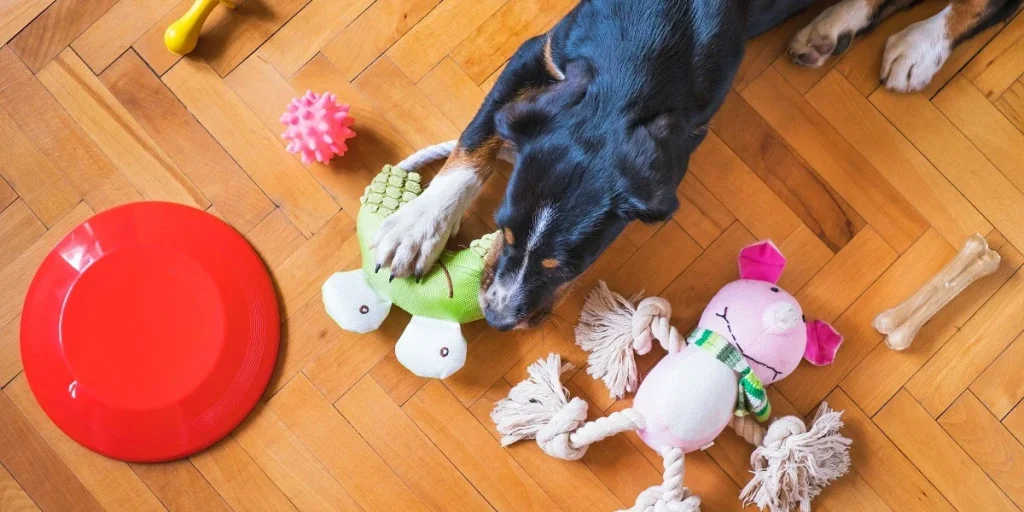
Organizing pet playdates has been one of the most rewarding parts of my routine as a pet owner. Seeing my pets interact, socialize, and burn off energy with others is not only adorable but also incredibly beneficial for their mental and physical health. The key, however, is making sure these meetups are done in a way that keeps all animals safe and happy. It’s not just about tossing a group of pets together; it takes planning, observation, and the right environment to make sure everything goes smoothly.
When I first started arranging playdates for my dog, I quickly realized that preparation is everything. Not every pet is naturally social, and not every setting works for healthy interaction. Over time, I’ve developed a checklist and process that makes the whole experience positive for everyone involved, both human and animal.
The Benefits of Pet Playdates
One of the most obvious benefits is socialization. Regular interaction with other animals helps pets learn how to read body language, communicate appropriately, and develop better behavior in public. For my dog, meeting new friends reduced her tendency to bark at other dogs during walks because she became more confident and less reactive.
Physical exercise is another huge perk. Pets often play more energetically with each other than they do with us, which means they burn more calories and release pent-up energy faster. I’ve also noticed the mental stimulation they get from exploring new smells, sounds, and interactions leaves them calmer afterward.
These gatherings are also beneficial for owners. I’ve met some of my closest friends at playdates, and sharing tips, stories, and experiences with other pet owners has helped me become a better caregiver.
Matching the Right Pets Together
Not every pet is a good match for every other pet. Temperament is more important than size or breed. I always consider how my pet reacts to strangers, both human and animal. If they’re shy, aggressive, or overly dominant, I adjust the setting or limit the number of participants.
Age is another factor. Puppies might overwhelm senior dogs, while older cats might be stressed by hyperactive kittens. Pairing animals with similar play styles avoids frustration and prevents situations where one pet is constantly trying to escape or hide.
Choosing the Right Location
Where the playdate happens matters as much as who’s attending. I prefer neutral spaces where no pet feels territorial. A dog park, fenced field, or designated pet-friendly yard works well for dogs, while indoor cat playdates are best in spaces with plenty of hiding spots and vertical climbing options.
For my dog’s first group gathering, I avoided holding it in my own yard because I didn’t want her to feel the need to guard “her” territory. Once she got used to playdates, we started rotating between friends’ houses and public spaces.
Pre-Playdate Health Checks
One rule I never skip is making sure all participating pets are up-to-date on vaccinations and parasite prevention. This keeps everyone safe from illnesses that can spread through close contact. I also make sure nails are trimmed to reduce the risk of accidental scratches.
If a pet is recovering from surgery, has an injury, or is sick, it’s best to reschedule. Pushing them into a high-energy social setting can delay healing or make them feel worse.
Setting Clear Ground Rules
Before any pet playdates, I discuss expectations with the other owners. We agree on things like no rough play beyond a certain level, keeping aggressive toys (like high-value bones) out of the mix, and intervening if any pet shows signs of stress.
These ground rules prevent misunderstandings and make it easier to step in when needed. Everyone knows in advance how to handle potential issues, which keeps the atmosphere relaxed and enjoyable.
Introducing Pets Slowly
Throwing pets straight into the mix can backfire. I like to start with short, controlled introductions, especially if the animals haven’t met before. For dogs, I begin with a walk side by side at a safe distance, then gradually move closer. Cats often do better meeting through a barrier at first, like a baby gate or crate, to get used to each other’s scent.
Once they seem comfortable, I let them interact off-leash or in the same room while keeping a close eye on their body language. This slow introduction has helped prevent fights or fearful reactions.
Watching Body Language Closely
The most important skill during pet playdates is reading body language. Loose, wiggly movements, open mouths, and play bows in dogs usually mean they’re happy and engaged. In cats, upright ears, slow blinking, and gentle pawing are good signs.
Warning signals, like growling, stiff posture, ears pinned back, or raised hackles, mean it’s time to pause and separate the animals. I always step in before these signs escalate into physical conflict.
Keeping Play Balanced
Even in well-matched groups, one pet can sometimes dominate play. If I notice one animal constantly chasing while another is always fleeing, I interrupt and give them a break. Taking short pauses helps prevent overstimulation and keeps all pets feeling safe.
Rotating toys and activities also keeps play balanced. I might switch from a running game to a scent-based activity or a group fetch session to prevent things from getting too intense.
Managing Group Size
Small groups work better for most pets, especially during their first few playdates. I start with just one or two other animals so my pet doesn’t feel overwhelmed. As they gain confidence, we can increase the group size.
Too many pets in one space can make it hard to supervise and intervene when needed. I’d rather have several small playdates than one chaotic free-for-all.
Providing Rest Breaks
Continuous play can exhaust pets and lead to irritability or conflict. I build in rest periods where we separate the pets for a few minutes. This gives them time to cool down, drink water, and reset.
With dogs, I might take them for a calm walk during the break. For cats, I allow them to retreat to a quiet room where they can relax before returning to the group.
The Role of Toys in Playdates
Toys can enhance play, but they can also cause competition. I avoid bringing high-value or favorite toys that might trigger possessiveness. Instead, I use neutral toys that none of the pets are overly attached to.
I’ve found that group games, like tossing multiple balls or scattering small, safe objects for cats to chase, keep the fun going without sparking tension.
Handling Conflicts Calmly
Even well-planned playdates can have tense moments. If a scuffle breaks out, I separate the pets calmly without yelling or grabbing them roughly. Loud noises or sudden movements can escalate the situation.
For dogs, I might use a barrier like a chair or blanket to interrupt without putting my hands near their mouths. For cats, I use a large piece of cardboard to gently guide them apart. Once separated, I give them time to calm down before deciding whether to continue or end the playdate.
Post-Playdate Cooldown
After the playdate, I give my pets a chance to unwind. Dogs might enjoy a slow walk, while cats often prefer a quiet space with familiar smells. This cooldown helps them process the experience and prevents them from staying overstimulated.
I also check for any minor injuries, burrs, or dirt they might have picked up. This quick inspection ensures I catch any issues before they become problems.
Reflecting on the Experience
After each playdate, I think about what went well and what could be improved. Did my pet seem happy afterward? Was there a good balance between activity and rest? Were there any pets that didn’t mesh well together?
This reflection helps me make future gatherings even better and ensures my pet keeps having positive experiences.
When Playdates Aren’t the Right Choice
Some pets simply don’t enjoy group interactions, and that’s okay. If I notice consistent signs of stress, like hiding, growling, or refusing to engage, I look for alternative forms of enrichment like one-on-one walks, solo play, or puzzle toys.
Forcing a pet into social situations they dislike can damage their trust and increase anxiety. Respecting their comfort level is just as important as providing social opportunities.
Building a Regular Schedule
Once I know my pet enjoys playdates, I make them a regular part of our routine. Having them once or twice a week strikes a good balance between keeping my pet social and avoiding burnout.
Consistency also strengthens relationships between pets, as they become more familiar with each other and develop their own play styles.
Final Thoughts
Pet playdates can be one of the most enriching experiences for both pets and owners when they’re handled thoughtfully. By matching the right pets, choosing a safe location, setting clear rules, and supervising closely, it’s possible to create an environment where animals can interact, exercise, and learn without unnecessary stress or danger.
I’ve found that the key to success is preparation, patience, and a willingness to adapt. Every pet has its own personality and comfort level, and honoring that makes each gathering a positive event. When I see my pets happily engaging with their friends, tails wagging or eyes bright, I know all the planning has been worth it.