
 By
Kelley Kelly
By
Kelley Kelly
Diet plays a central role in the health of my pets, and I am always looking for ways to ensure they get the nutrients they need. While high-quality pet food provides a solid foundation, I have often asked myself should you add supplements to your pet’s diet. Over the years, I have learned that supplements can enhance health, support aging joints, improve coat quality, and address specific deficiencies. Paying attention to individual needs and consulting a veterinarian has helped me integrate supplements safely and effectively.
Assessing Nutritional Needs
Before adding any supplement, I evaluate my pets’ current diet. High-quality commercial foods are often formulated to meet daily nutritional requirements, but some pets may benefit from additional nutrients. For example, older pets, those with chronic conditions, or highly active animals may have elevated needs for certain vitamins, minerals, or fatty acids. Observing behavior, coat condition, energy levels, and digestion helps me determine whether supplements could provide meaningful support. This assessment has been my first step whenever I consider should you add supplements to your pet’s diet.
Omega-3 Fatty Acids for Coat and Skin
I have found omega-3 fatty acids to be particularly beneficial for coat and skin health. Fish oil, flaxseed oil, and krill oil have helped reduce dryness, itching, and excessive shedding in my pets. I usually incorporate these oils into their meals or provide capsules under veterinary guidance. Over time, I noticed softer, shinier fur and fewer skin irritations. This has been a clear example of how supplements can enhance everyday wellness without replacing a balanced diet.
Joint Health and Mobility
Joint health is an area where supplements make a significant impact, especially for older pets. I provide glucosamine, chondroitin, and sometimes turmeric to help reduce inflammation and support flexibility. Daily monitoring shows me that pets with joint supplements move more comfortably and remain active longer. These observations have reinforced my understanding that certain supplements play a crucial role in maintaining mobility and quality of life, making me more confident in assessing whether should you add supplements to your pet’s diet.
Digestive Support
Digestive health affects every aspect of my pets’ well-being. Probiotics, prebiotics, and digestive enzymes have been helpful in promoting healthy gut flora and regular bowel movements. I usually sprinkle powders on food or offer small amounts of probiotic-rich foods like yogurt. Monitoring stool consistency and appetite provides clear feedback on whether these supplements are beneficial. Supporting digestion naturally has become one of the most effective ways I enhance overall health in my pets.
Immune System Enhancement
I focus on supplements that strengthen immunity, particularly during seasonal changes or after illness. Vitamins C and E, beta-carotene, and herbal remedies like echinacea can complement my pets’ diet. I use these supplements cautiously, observing for positive changes in energy levels, coat health, and recovery from minor infections. Incorporating immune-supporting supplements has reinforced the value of a proactive approach to health and longevity.
Mental Clarity and Cognitive Support
Cognitive health becomes increasingly important as pets age. Supplements containing antioxidants, omega-3s, or specific formulations for brain support have improved alertness and activity levels in my older pets. I have noticed better engagement during play and responsiveness to training after integrating these supplements. Observing these benefits has helped me gauge whether should you add supplements to your pet’s diet for mental well-being and quality of life.
Weight Management and Metabolism
I sometimes use supplements to support weight management. L-carnitine, fiber supplements, or metabolism boosters can assist pets who struggle with weight control. I pair these supplements with portion management and exercise routines. Tracking weight trends, energy levels, and body condition allows me to determine effectiveness and adjust as needed. Using supplements responsibly for weight control has been a strategic addition to a broader approach to maintaining a healthy body.
Dental Health
Oral health is another area where supplements have proven useful. Dental chews, powders with antibacterial properties, and enzymes designed to reduce plaque and tartar can complement brushing and routine dental care. I have seen a reduction in bad breath and improved gum health when these supplements are included in their diet. Incorporating them helps me maintain comprehensive care and reduces reliance on more invasive procedures.
Special Considerations for Life Stage
Different life stages have unique nutritional demands. Puppies and kittens benefit from supplements that support growth, such as DHA for brain development and calcium for strong bones. Adult pets may require joint support, antioxidants, or omega fatty acids. Senior pets often need a combination of joint, cognitive, and immune support. Paying attention to life stage helps me decide whether should you add supplements to your pet’s diet in a targeted, effective manner.
Veterinary Guidance
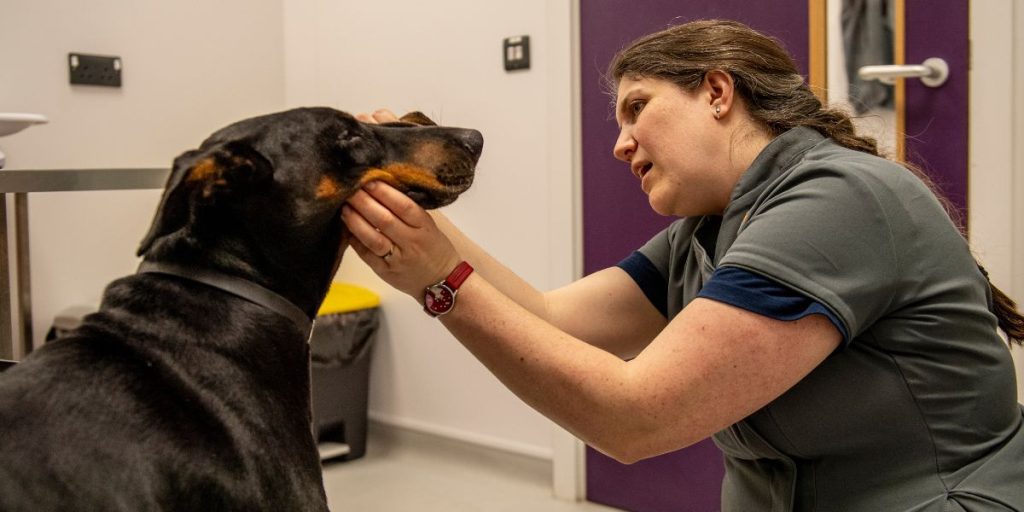
I never introduce supplements without consulting my veterinarian. Dosages, potential interactions with medications, and breed-specific considerations can significantly impact safety and effectiveness. Collaboration ensures that I provide beneficial nutrients without risk. I have found that veterinary guidance makes the process more structured and safer, giving me confidence in every supplement I integrate.
Observing Effects
Monitoring responses to supplements is essential. I track behavior, coat condition, energy, digestion, and joint mobility. Any adverse reactions, even mild, prompt adjustments or discontinuation. By observing closely, I ensure that supplements provide measurable benefits and avoid unnecessary interventions. This practice has been crucial in assessing whether should you add supplements to your pet’s diet effectively.
Dosage and Administration
Correct dosage is critical. I measure powders, capsules, or liquids carefully and adjust based on the pet’s size, age, and health status. Timing with meals or water intake can also influence absorption and effectiveness. Following these guidelines allows me to optimize results while maintaining safety, ensuring that supplements enhance rather than disrupt daily nutrition.
Quality and Source
I prioritize high-quality, reputable supplement brands. Natural, vet-approved products reduce the risk of contamination or inconsistent dosing. Reading labels, checking for certifications, and confirming ingredient sources has become standard practice for me. Selecting quality products ensures that the supplements I provide support health without unintended consequences.
Combining Supplements With Diet
Supplements work best alongside a balanced, nutrient-rich diet. I maintain appropriate portions, high-quality protein, fresh water, and whole-food ingredients. Supplements fill gaps rather than replace meals. Observing overall health has reinforced my belief that integrating supplements into a complete nutritional plan provides the most benefit.
Avoiding Over-Supplementation
Excessive supplementation can be harmful. I avoid giving multiple products that provide the same nutrient, which can lead to toxicity. Reading labels, maintaining a schedule, and consulting professionals helps prevent overuse. Responsible supplementation ensures that the benefits are maximized while risks remain minimal.
Behavioral Benefits
Some supplements contribute to behavioral health. Calming supplements with herbs, magnesium, or amino acids can reduce stress, anxiety, and hyperactivity. I have noticed pets more relaxed during travel, thunderstorms, or vet visits when these supplements are included. Observing these improvements shows that supplementation can support both physical and mental health.
Long-Term Health Maintenance
I view supplements as part of long-term maintenance. Regular use of joint, coat, cognitive, and immune support supplements helps prevent age-related decline. I track outcomes over months and years, adjusting as needs change. This perspective reinforces the value of thoughtful supplementation as part of an ongoing wellness plan.
Managing Multiple Pets
Providing supplements to multiple pets requires organization. I keep separate schedules, monitor each pet’s response, and avoid mixing products that could lead to dosing errors. Managing supplements systematically ensures that all pets benefit safely and consistently.
Lifestyle and Activity Considerations
Highly active pets or working animals may have higher nutrient requirements. Supplements for energy, endurance, or joint support can help these pets maintain performance and reduce fatigue. Observing activity levels and recovery informs my approach to supplementation, tailoring it to lifestyle needs.
Evidence-Based Decisions
I rely on scientific research and professional guidance to determine which supplements are effective. Reading studies, reviewing veterinary recommendations, and evaluating individual responses have guided my choices. Evidence-based supplementation ensures that my pets receive real benefits rather than unverified claims.
Travel and Stress Management
Supplements can assist with travel-related stress or environmental changes. Calming aids, probiotics, and immune boosters help pets adjust to new surroundings or recover from travel fatigue. I incorporate these strategically, observing how pets respond to different stressors. These applications demonstrate practical ways to integrate supplements into routine care.
Recording and Tracking
I maintain detailed records of all supplements, including type, dosage, frequency, and observed effects. This tracking helps me adjust routines, share information with veterinarians, and monitor trends over time. Organized documentation ensures safe, consistent supplementation and supports informed decisions regarding whether should you add supplements to your pet’s diet.
Conclusion
Adding supplements to a pet’s diet can provide numerous benefits, from improved coat and skin health to joint support, cognitive enhancement, immune system strengthening, and behavioral improvements. Assessing nutritional needs, consulting a veterinarian, monitoring responses, and maintaining quality control are essential for safe, effective supplementation. I have found that integrating supplements into a well-balanced diet and a structured routine enhances overall health, supports long-term wellness, and improves quality of life. Thoughtful supplementation answers the question should you add supplements to your pet’s diet by providing tailored benefits that help pets thrive physically, mentally, and emotionally.