
 By
Kelley Kelly
By
Kelley Kelly
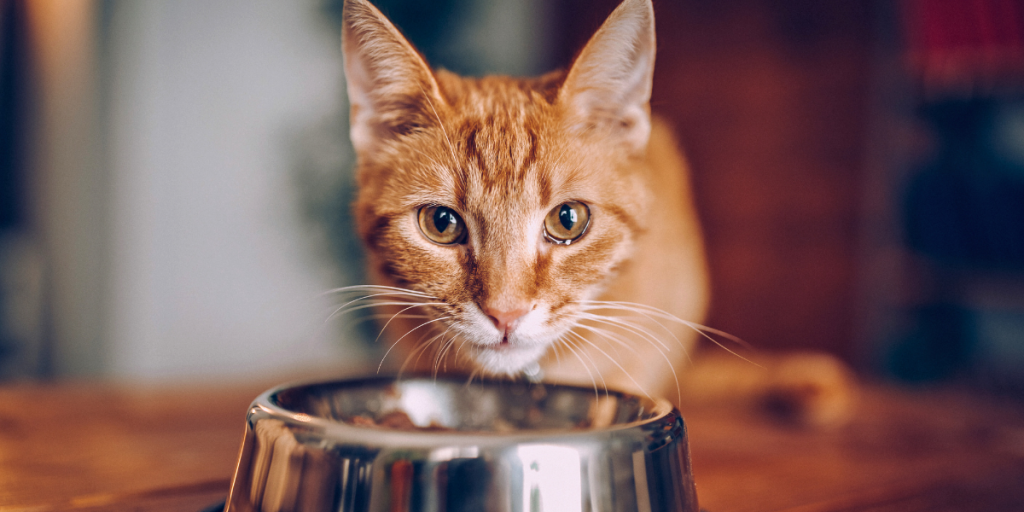
I’ve always believed that our pets speak to us in their own ways, and one of the clearest conversations we can have with them is through observing how they respond to their food. Over the years, I’ve learned that diet plays a massive role in their overall well-being, and spotting when something isn’t right can make all the difference in their health and happiness. The tricky part is that these signs can be subtle at first, but once you know what to look for, they become much easier to recognize.
Changes in Energy Levels
One of the first things I notice when a diet is off is a shift in my pet’s energy. If my usually active dog starts to seem sluggish during walks, or my playful cat spends more time napping than usual, it’s a sign I take seriously. Food is fuel, and when the fuel isn’t right, energy levels drop. On the flip side, a diet that’s too high in certain nutrients, like sugars or carbs, can lead to hyperactivity. For me, these changes in activity often end up being one of the earliest signs your pet’s diet needs a change.
Weight Gain or Loss
Fluctuations in weight are another big indicator for me. A slow, steady weight gain might seem harmless at first, but it can quickly lead to more serious health problems. Weight loss can be even more concerning, especially if I haven’t changed portion sizes or activity levels. I’ve learned that poor-quality ingredients, imbalanced nutrition, or even too many treats can be at the root of these changes. Monitoring body condition regularly helps me catch issues early before they become harder to manage.
Dull Coat and Skin Problems
The condition of a pet’s coat tells me so much about their diet. A shiny, soft coat usually means the food is doing its job. But if I notice dryness, excessive shedding, or bald patches, it’s a red flag. I’ve also seen skin irritation develop when a pet isn’t getting enough essential fatty acids or when they’re having an allergic reaction to certain ingredients. Diet plays a huge role in skin and coat health, and often, these visible changes point directly to the need for a new approach to feeding.
Digestive Upsets
Consistent digestive issues, like diarrhea, constipation, or excessive gas, are hard to ignore. I’ve had pets with sensitive stomachs who needed specific formulas, and others who thrived on variety. When digestion becomes a recurring problem, it’s usually one of the clearest signs your pet’s diet needs a change. I’ve found that swapping to a diet with higher-quality protein, fewer fillers, or more fiber can make a remarkable difference in just a matter of days or weeks.
Bad Breath That Doesn’t Go Away
Every pet owner knows that animals don’t have minty-fresh breath, but when it becomes persistently unpleasant, it can point to diet issues. Poor nutrition can contribute to plaque buildup and gum disease, both of which worsen breath. Certain ingredients can also cause digestive odors that show up in breath smell. I’ve improved my pets’ oral health by switching to diets with better dental benefits and avoiding overly processed treats.
Excessive Scratching or Licking
When I see my pets constantly scratching, biting at their paws, or licking themselves, I don’t just assume it’s fleas. Many times, this behavior is tied to food sensitivities or allergies. An ingredient that doesn’t sit well with them can trigger inflammation and itchiness. Adjusting their diet to eliminate potential triggers has often brought quick relief.
Reduced Appetite or Food Avoidance
One of the more obvious signs your pet’s diet needs a change is when they suddenly lose interest in their food. While this could be linked to health issues beyond diet, I’ve found that taste, texture, and freshness also play a big role. Pets can get bored of eating the same thing day in and day out, and sometimes a new protein source or formula can bring their enthusiasm back.
Excessive Thirst
If my pet starts drinking significantly more water than usual without an environmental cause, I take notice. Sometimes this points to underlying health conditions, but it can also be linked to their diet, particularly if it’s too high in sodium or very dry in texture without enough moisture content. Wet food or fresh food diets often help balance hydration.
Behavioral Changes
Diet impacts not just physical health but mood and behavior too. I’ve seen pets become irritable or restless when their nutritional needs aren’t met. A diet lacking in certain vitamins and minerals can affect hormone balance and brain function, leading to shifts in temperament. When these changes coincide with other physical symptoms, it strengthens the case that their diet might need adjusting.
Frequent Ear Infections
This one surprised me when I first made the connection, but repeated ear infections can sometimes be linked to food allergies. My vet explained that inflammation caused by certain proteins or grains can make pets more susceptible to these infections. When I changed my dog’s diet to avoid those triggers, the ear infections became far less frequent.
Stool Quality Changes
Healthy stools are firm, well-formed, and easy to pick up. If I start seeing loose stools, overly hard stools, or mucus in the stool, it’s a clear sign something is off. Quality of stool is one of the most immediate indicators of how well a diet is being digested and absorbed.
Slow Recovery from Illness
If my pet seems to take longer than usual to bounce back from a minor illness or injury, I start considering whether their diet is providing enough immune support. A lack of quality protein, vitamins, or antioxidants can weaken the immune system, making recovery slower and less complete.
Increased Shedding Outside Seasonal Changes
Seasonal shedding is normal, but if my pet starts shedding excessively outside of their usual pattern, I look at their diet. Poor nutrition can weaken hair follicles, leading to increased loss. Including omega fatty acids and high-quality protein in their food often reduces this issue.
Constant Hunger
Some pets act like they’re starving no matter how much they eat. In my experience, this can mean the food isn’t nutrient-dense enough, so they aren’t getting the satisfaction their body needs. Diets heavy in fillers may bulk up portions without providing lasting satiety.
Recurrent Hot Spots
Hot spots, or moist skin infections, can be another indicator of food-related inflammation. I’ve dealt with this in one of my dogs, and it was only after switching to a more hypoallergenic diet that the problem disappeared.
How I Approach a Diet Change
When I recognize several of these signs, I don’t rush into a drastic change. Instead, I first consult with my vet to rule out medical conditions. If diet seems to be the issue, I introduce new food gradually over a week or two, mixing it with the old to prevent digestive upset.
I also keep a close eye on my pet’s reaction to the change. Improved energy, a healthier coat, better digestion, and restored appetite are all positive signals that the new diet is working.
Keeping a Diet Journal
One habit that’s helped me a lot is keeping a diet journal for my pets. I track what they eat, any changes in their health, and their overall mood and energy. This record makes it easier to spot patterns and connect symptoms to dietary causes.
Staying Flexible with Diets
I’ve learned that there’s no single perfect diet for every stage of my pet’s life. What works wonderfully for a young, active pet may not suit them as they age. Being open to adjusting their diet as their needs change has kept them healthier over the years.
Final Thoughts
Spotting the signs your pet’s diet needs a change takes a combination of observation, knowledge, and patience. While some signs can be subtle, they often appear in clusters, making the picture clearer. For me, diet is one of the most powerful tools I have for supporting my pets’ health, and staying attentive to their needs has helped them live happier, healthier lives.