
 By
Kelley Kelly
By
Kelley Kelly
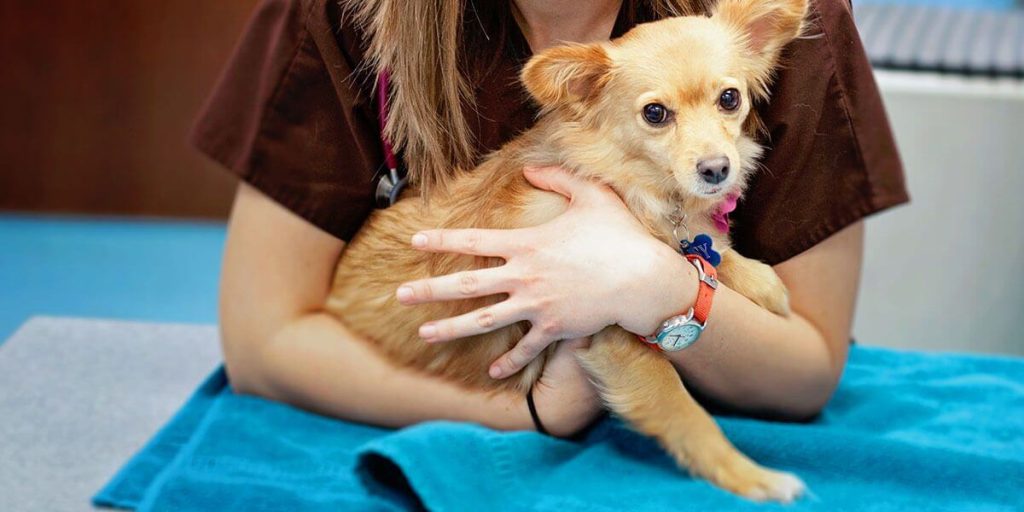
Providing proper care for my pets involves more than just feeding them and taking them on walks. I have learned that regular veterinary care is a cornerstone of their health and well-being. Routine checkups help detect potential problems early, monitor ongoing conditions, and provide guidance for preventive measures. Recognizing the importance of regular vet checkups has allowed me to maintain the long-term health of my pets and ensure they enjoy a high quality of life.
Preventive Health Care
The most significant benefit I have observed from regular vet visits is preventive care. Vaccinations, parasite control, and screenings are all part of routine examinations. By addressing these needs proactively, I prevent illnesses that could become serious or life-threatening. Regular checkups also allow my veterinarian to tailor preventive strategies based on age, breed, and lifestyle. Focusing on preventive care reinforces why the importance of regular vet checkups cannot be overstated.
Early Detection of Illness
Early detection is another key reason I prioritize routine vet visits. Many health issues, including kidney disease, diabetes, heart conditions, and cancer, can be managed more effectively when caught early. During checkups, my veterinarian evaluates blood work, urine tests, and physical exams to identify subtle changes that might otherwise go unnoticed. Detecting problems early has repeatedly made a difference in my pets’ prognosis and treatment outcomes.
Monitoring Chronic Conditions
Some pets develop chronic conditions that require ongoing management. Regular vet checkups provide an opportunity to track these conditions and adjust treatment plans as needed. For instance, a dog with arthritis may need changes in medication or supplements, while a cat with kidney disease may require dietary adjustments. Monitoring chronic health issues consistently helps maintain comfort and slows the progression of disease, demonstrating the critical role of checkups in long-term care.
Dental Health Evaluation
Dental health is often overlooked but has a profound impact on overall wellness. During routine visits, my veterinarian examines teeth and gums, checking for tartar buildup, gingivitis, or early signs of dental disease. Addressing dental issues promptly prevents pain, tooth loss, and systemic infections that can affect organs such as the heart and kidneys. Recognizing the importance of regular vet checkups for oral care has changed the way I approach dental maintenance for my pets.
Nutritional Guidance
Diet is a cornerstone of health, but nutritional needs change with age, activity level, and medical conditions. During checkups, I discuss feeding habits and get guidance on the best food choices, portion sizes, and supplements. This guidance ensures that my pets receive balanced nutrition that supports energy, weight management, and overall wellness. Dietary adjustments based on veterinary input reinforce the importance of regular vet checkups in maintaining optimal health.
Weight and Body Condition Monitoring
Weight management is crucial for preventing obesity-related conditions such as diabetes, joint strain, and heart disease. I rely on regular checkups to monitor my pets’ body condition and get professional advice on adjustments. Using a combination of diet, exercise, and supplements as recommended has helped my pets maintain healthy weight levels. This demonstrates how routine monitoring during vet visits contributes to long-term health.
Behavioral Assessment
Behavior changes can signal health problems or cognitive decline, especially in senior pets. During checkups, I discuss behavior with my veterinarian, who can identify potential underlying causes and recommend interventions. Anxiety, aggression, or changes in activity level may indicate medical issues that require attention. Regular vet checkups provide a platform to assess behavioral health alongside physical wellness.
Vaccination and Parasite Control
Maintaining vaccinations and parasite prevention schedules is a vital component of my routine care. Checkups allow my veterinarian to review the pet’s records, update vaccines, and recommend treatments for fleas, ticks, and heartworm. Consistent protection reduces the risk of infection and helps safeguard both my pets and our household. This aspect highlights the practical importance of regular vet checkups in preventive care.
Age-Specific Care
Pets’ needs change as they age, and I have found that routine visits are critical for age-specific care. Puppies and kittens require a series of vaccinations and guidance on growth milestones, while senior pets benefit from screenings for organ function, joint health, and cognitive support. By addressing the unique needs at each life stage, I can provide tailored care that maximizes longevity and quality of life.
Early Intervention and Treatment Plans
Timely intervention is often the difference between manageable conditions and serious health crises. Regular checkups allow my veterinarian to detect issues early and develop treatment plans before problems worsen. From minor infections to chronic illnesses, early intervention minimizes discomfort and improves outcomes. Recognizing this benefit has made routine visits a non-negotiable part of my pet care approach.
Stress Reduction and Familiarity
Frequent visits to the veterinarian also reduce stress for my pets over time. They become familiar with the clinic environment, staff, and routines, which makes examinations and procedures less intimidating. This familiarity leads to smoother appointments and reduces anxiety, contributing to a positive experience and better cooperation during health evaluations.
Building a Relationship With Your Veterinarian
I have found that establishing a strong relationship with my veterinarian enhances every aspect of pet care. Open communication allows me to discuss concerns, receive guidance on preventive measures, and feel confident in medical decisions. This partnership ensures that both routine and emergency care are handled effectively. Regular visits strengthen this relationship, emphasizing the importance of regular vet checkups beyond immediate health assessments.
Vaccination Updates
Keeping vaccines current is essential to prevent serious diseases. During checkups, my veterinarian reviews vaccination history and administers boosters as needed. This schedule protects against parvovirus, rabies, distemper, and other potentially fatal illnesses. Staying on top of vaccination schedules demonstrates a practical and critical reason for routine veterinary care.
Physical Examinations
Comprehensive physical exams during regular visits allow for early identification of lumps, skin changes, joint stiffness, or other abnormalities. These examinations provide insight that cannot be obtained at home alone. I have found that small observations made during routine exams often lead to early detection of conditions that might otherwise progress unnoticed.
Laboratory Testing
Blood work, urinalysis, and other laboratory tests are invaluable for assessing internal health. These tests reveal early indicators of kidney, liver, or thyroid issues, among others. Regular testing provides baseline data and allows me to notice subtle changes over time. Laboratory testing reinforces the critical role of regular vet checkups in proactive health management.
Emergency Preparedness
Routine checkups help me prepare for potential emergencies. By having updated medical records, knowing baseline health metrics, and understanding warning signs, I can respond quickly if a sudden health issue arises. This proactive approach minimizes risk and ensures timely care, highlighting another aspect of why regular visits are indispensable.
Monitoring Growth and Development
For younger pets, regular visits are essential for monitoring growth, development, and socialization. My veterinarian tracks weight gain, skeletal development, and milestones to ensure healthy progression. Addressing deviations early prevents long-term problems and sets the foundation for a healthy adult life. These checkups illustrate that the importance of regular vet checkups spans all stages of life.
Chronic Disease Management
Managing chronic conditions requires ongoing evaluation and adjustment. I rely on routine visits to monitor diabetes, heart disease, or thyroid issues in my pets. Lab work, medication reviews, and diet adjustments during these visits ensure effective management and reduce the risk of complications. This continuous care demonstrates the necessity of integrating veterinary checkups into daily health planning.
Dental Care Guidance
Routine veterinary visits include oral health assessments that go beyond what I can observe at home. My veterinarian recommends cleaning schedules, chews, and supplements that reduce plaque and tartar buildup. Maintaining dental health during regular checkups prevents pain, infection, and systemic complications, highlighting a critical aspect of overall wellness.
Weight and Activity Recommendations
Activity levels and exercise routines are regularly reviewed during checkups. My veterinarian helps tailor plans based on age, breed, and health status. Adjusting physical activity ensures weight control, muscle maintenance, and cardiovascular health. These discussions emphasize how preventive checkups provide practical guidance for day-to-day wellness.
Detecting Hidden Illnesses
Many illnesses progress silently until advanced stages. Regular checkups provide the opportunity to detect conditions that may not present obvious symptoms at home. Early detection through exams and tests has consistently helped me intervene effectively and improve outcomes. This aspect illustrates the preventive value of veterinary visits.
Holistic Care Approaches
In addition to medical interventions, my veterinarian offers advice on nutrition, exercise, supplements, and environmental enrichment. These holistic strategies complement traditional care and enhance quality of life. Regular checkups allow me to incorporate comprehensive wellness practices, demonstrating a broader perspective on the importance of regular vet checkups.
Behavioral and Mental Health
Behavioral changes can indicate physical health issues or cognitive decline. During visits, I discuss observations with my veterinarian, who can suggest interventions or therapy. Addressing behavioral health as part of routine care ensures a balanced approach to wellness, reducing stress for both my pets and myself.
Travel and Boarding Considerations
Routine visits ensure my pets are healthy and up-to-date on vaccinations when travel or boarding is necessary. Maintaining proper records and preventive care makes these experiences safer and less stressful. These practical benefits further emphasize why regular veterinary visits are essential.
Record Keeping and History
Keeping accurate medical records during routine visits allows me to track treatments, vaccinations, lab results, and growth patterns. These records provide valuable information for ongoing care and help maintain consistency, particularly when multiple caregivers are involved. Organized documentation underscores the functional importance of regular vet checkups.
Conclusion
Regular veterinary checkups are a cornerstone of pet health. From preventive care and early detection to chronic disease management and behavioral assessment, routine visits offer comprehensive benefits. Monitoring growth, diet, dental health, and overall wellness ensures that pets live longer, healthier, and happier lives. By integrating checkups into a consistent care routine, I have observed firsthand how proactive veterinary care protects against serious illness, enhances quality of life, and provides peace of mind. The importance of regular vet checkups cannot be overstated, and prioritizing these visits has become one of the most effective ways I maintain the well-being of my pets.