
 By
Kelley Kelly
By
Kelley Kelly
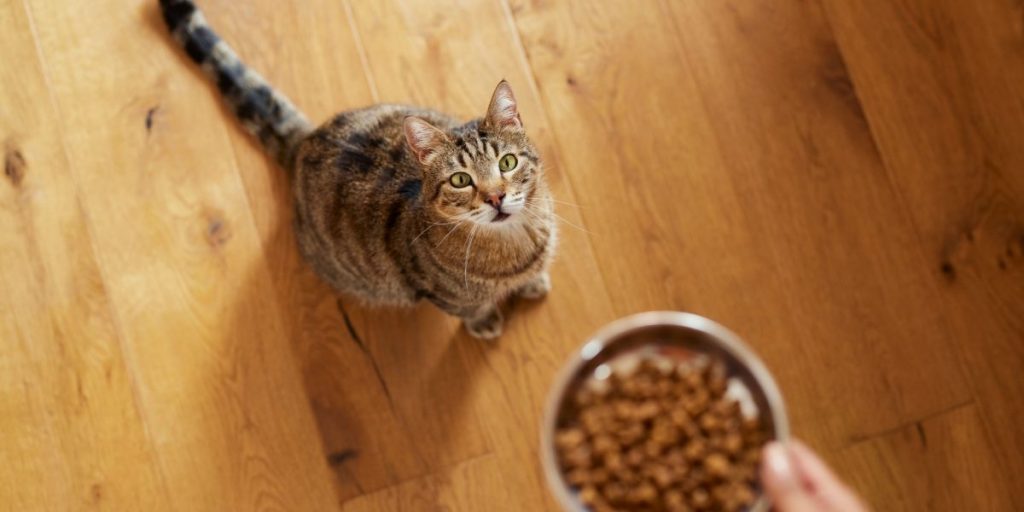
Feeding time is more than just a way to meet a pet’s nutritional needs. It’s a structured opportunity to teach discipline, reinforce positive habits, and strengthen the bond between you and your pet. Over time, I’ve discovered that the routine surrounding meals can directly influence a pet’s behavior in other areas of life. By approaching feeding with intention, I’ve been able to guide my pets toward better manners, reduced anxiety, and a more cooperative attitude overall.
Why Structure Matters at Mealtime
Pets thrive on predictability. When feeding time follows a consistent schedule, they quickly learn what to expect, which reduces stress and impatience. In my experience, the anticipation of meals can be used as a powerful tool for reinforcing calm behavior. Rather than allowing my pets to jump, bark, or whine while I prepare their food, I expect them to wait quietly. Over time, this structure spills over into other parts of their daily routine.
Building Patience Through Delayed Rewards
One of the most valuable lessons I’ve taught my pets involves waiting calmly for their food. Instead of letting them dive in as soon as the bowl touches the floor, I require a short pause. Sometimes this means asking for a “sit” or “stay” command before they’re allowed to eat. This delay helps them practice impulse control, which benefits not just mealtime manners but also their behavior in situations like greeting guests or waiting at doors.
Reinforcing Commands During Feeding
Feeding is a natural motivator for pets, so I use it to reinforce basic commands. I might ask for a “sit,” “down,” or “wait” before serving their food, rewarding compliance with the meal itself. Because they’re eager to eat, they respond quickly and begin associating obedience with positive outcomes. This association strengthens their responsiveness in other scenarios where food isn’t involved.
Using Mealtime to Reduce Problem Behaviors
I’ve noticed that pets with behavioral issues like begging, barking, or pushing for attention often respond well to structured feeding routines. By controlling when and how meals are given, I can redirect their focus. For example, if my dog tends to jump on me when I get home, I avoid feeding right away. Instead, I wait until they’ve settled down before preparing their food, teaching them that calmness leads to rewards.
Preventing Resource Guarding
Resource guarding can develop when pets feel they need to protect their food. I’ve worked to prevent this by creating positive associations during feeding time. Occasionally, I’ll approach while my pet is eating, drop in a small treat, and then walk away. This teaches them that my presence during meals means something good is coming, rather than a threat to their food. Over time, this reduces tension and makes them more relaxed about sharing space during feeding.
Feeding as a Bonding Opportunity
The daily ritual of feeding creates a natural point of connection. By being the one to provide food, I reinforce my role as a trusted and reliable presence in my pet’s life. This bond isn’t just emotional, it also plays a role in training. Pets are more likely to listen, cooperate, and follow guidance from someone they trust and associate with positive experiences.
Incorporating Training into Meal Preparation
Meal prep time is a great chance to work on focus and self-control. While I’m measuring food or adding supplements, I expect my pets to stay in a designated spot. If they move before I’m done, I reset them gently and continue preparing. This helps them understand boundaries and patience while also reinforcing that rushing or crowding me doesn’t make the food come any faster.
Scheduling Meals to Support Behavior Goals
The timing of meals can influence a pet’s behavior throughout the day. I’ve found that feeding right before long periods of downtime, such as when I leave for work or at bedtime, helps pets settle more easily. On the other hand, giving a meal before a training session ensures they’re not too hungry or distracted, making them more receptive to learning.
Managing Energy Levels Through Feeding Time
Feeding can also be timed to help regulate a pet’s energy. If I know we have an active training session planned, I might feed a smaller meal beforehand to keep them light and alert. For days when I want them calm, such as when guests are visiting, I might schedule a larger meal earlier so they feel more relaxed and less excitable.
Addressing Begging and Inappropriate Food Interest
Begging at the table is one habit I’ve been careful to avoid encouraging. By sticking to a strict feeding routine and never giving food from my plate, I make it clear that human mealtimes are separate from theirs. This not only improves manners but also reduces the risk of them eating something unsafe. Feeding time becomes a distinct, predictable event rather than something that happens whenever they beg.
Creating Positive Associations for Nervous Pets
Some pets, especially rescues, may have negative associations with feeding due to past experiences. I take extra care to make mealtimes peaceful and predictable for them. This might mean feeding in a quiet room, using a favorite bowl, or even hand-feeding small amounts at first to build trust. Over time, the role of feeding time in behavioral training for these pets becomes about replacing fear with security.
Feeding Multiple Pets Without Conflict
When I have more than one pet, mealtime can quickly turn into a competition if I’m not careful. To prevent tension, I establish clear boundaries by feeding them in separate spaces or at a distance. I start and end meals at the same time so no one feels the need to rush or steal from another bowl. This structure teaches respect for each other’s space and helps avoid conflicts.
Teaching Patience With Treat Dispensing
While meals are the main focus, I’ve also incorporated treat-dispensing toys and slow feeders into training. These tools encourage problem-solving and patience while preventing pets from gulping their food too quickly. Using them at feeding time keeps pets engaged and mentally stimulated, which often leads to better behavior overall.
Addressing Overexcitement Around Food
Some pets get so excited about meals that they lose control, barking, spinning, or pawing at the food. To manage this, I start preparing food only when they are calm. If they begin acting up during the process, I pause until they settle again. This way, they learn that staying composed is the fastest route to getting their meal.
Feeding as a Way to Reinforce Leadership
Being in control of feeding time sends a clear message about leadership in the household. I decide when the food comes, where it’s placed, and how it’s accessed. This dynamic isn’t about dominance, it’s about establishing trust and mutual respect. When pets know that good things come from waiting patiently for me to provide them, it reinforces my role as a guide and caretaker.
Using Feeding to Support Training Consistency
Consistency is key in any form of training, and feeding time is no exception. By pairing mealtime with the same cues, routines, and expectations every day, pets begin to respond automatically. For example, hearing the sound of the scoop might prompt them to go to their feeding spot without being told. This kind of learned behavior makes daily life smoother and training more effective.
Recognizing Behavioral Changes Through Feeding
Changes in how a pet behaves around food can signal shifts in their overall well-being. If a normally patient pet becomes pushy or anxious at feeding time, it might indicate stress, health issues, or gaps in training. Monitoring these changes allows me to adjust my approach and address any underlying concerns before they become bigger problems.
Balancing Food Motivation With Other Rewards
While food is a strong motivator, I’ve learned that it shouldn’t be the only tool in training. By incorporating play, praise, and affection alongside feeding, I keep my pets motivated without making them overly dependent on food for good behavior. This balance ensures that they remain responsive even when a meal isn’t on the line.
Long-Term Benefits of Structured Feeding
Over the years, I’ve seen how a well-managed feeding routine contributes to overall harmony in the home. The role of feeding time in behavioral training goes far beyond the bowl, it’s about building respect, patience, and trust. Pets learn to follow cues, wait their turn, and approach life with a calmer, more cooperative mindset. And as their behavior improves, the bond we share only grows stronger.