
 By
Kelley Kelly
By
Kelley Kelly
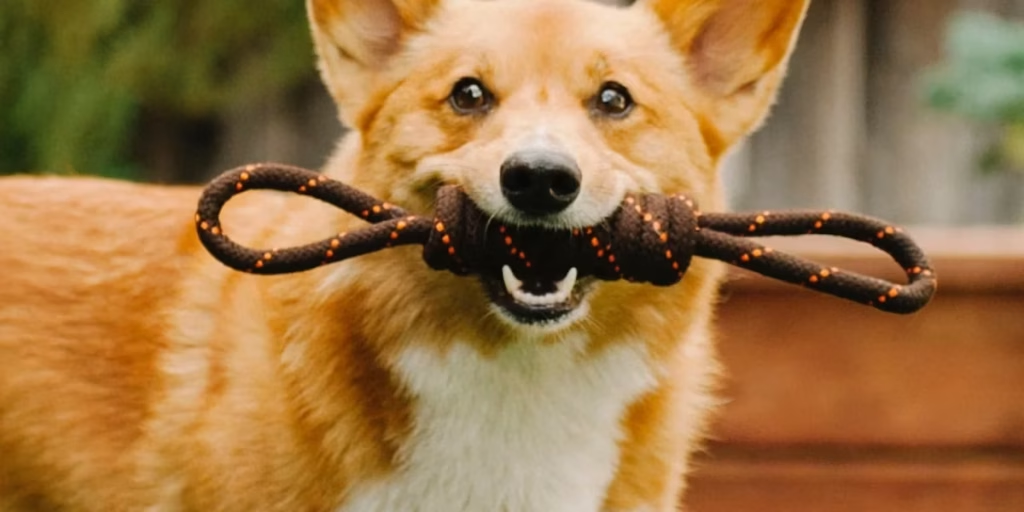
Playtime is not just an extra activity for pets; it’s an essential part of their overall well-being. Every time I engage in daily play with my pets, I notice improvements in their mood, behavior, and even their physical health. Over the years, I’ve learned that setting aside time for fun isn’t just about burning energy, it’s about creating a balanced, fulfilled life for them.
The Connection Between Play and Emotional Health
I’ve seen firsthand how regular play keeps my pets emotionally balanced. When they get enough playtime, they seem less anxious, more relaxed, and more content. Play offers an outlet for stress, providing a healthy way for them to release pent-up emotions. Without it, I’ve noticed my pets become restless, irritable, or overly clingy. By incorporating daily play into their routine, I give them a consistent source of joy and stability.
Physical Benefits That Come From Daily Play
Pets, much like humans, need physical activity to maintain a healthy weight, build muscle, and keep their joints in good condition. Regular games of fetch, tug-of-war, or even chase around the yard help improve their cardiovascular health and prevent obesity. I’ve also seen older pets benefit from gentle play, as it keeps them more agile and less prone to stiffness. Even on days when I can’t manage a long walk, I make sure they get active play indoors to keep their bodies in motion.
Mental Stimulation Through Play
One thing I’ve learned is that a tired mind is just as important as a tired body. Play isn’t only about running around, it’s also about engaging a pet’s brain. Activities like puzzle toys, scent games, or training exercises disguised as play keep my pets mentally sharp. I notice that when they’ve had a mentally stimulating play session, they’re calmer afterward and less likely to get into trouble out of boredom.
Strengthening the Bond Between Pet and Owner
The time I spend playing with my pets strengthens our connection. It’s during these moments that trust deepens and communication improves. Whether I’m tossing a ball, hiding treats, or simply engaging in silly games, I’m showing them that they can rely on me for fun and companionship. Over time, I’ve realized that this bond makes them more responsive to my cues, more affectionate, and more secure in their place within the household.
How Playtime Helps With Training
I often integrate training into play sessions, which makes learning enjoyable for my pets. Commands like “drop it,” “come,” and “sit” become part of the fun. When they see training as a game, they’re more eager to participate and more likely to remember what they’ve learned. In this way, daily play supports not only their happiness but also their obedience and overall manners.
Recognizing Signs Your Pet Needs More Play
When I notice my pets displaying destructive behaviors, like chewing furniture, digging in the yard, or excessive barking, I take it as a sign that they may need more structured playtime. These actions often stem from boredom or excess energy. Adding extra play sessions usually helps redirect that energy into something positive. It’s one of the clearest examples of why daily playtime boosts pet happiness and prevents negative habits from forming.
The Role of Play in Reducing Anxiety
Some pets are naturally nervous or become anxious due to changes in their environment. I’ve found that play is an excellent way to distract them from their worries. A game of fetch or a new interactive toy can shift their focus away from stress triggers. Over time, this reduces the intensity of their anxiety and helps them feel more secure in different situations.
Age-Appropriate Play Strategies
Not all pets play in the same way, and I’ve had to adapt my approach depending on age and health. Puppies and kittens have endless energy and need active games that allow them to burn it off. Senior pets may prefer slower-paced play, like gentle tug games or treat-dispensing puzzles. Adjusting activities to match their abilities ensures that they still get the benefits of play without overexerting themselves.
Social Benefits of Playtime
For pets that enjoy the company of others, play is a great way to build social skills. Whether it’s arranging playdates with other pets or visiting a dog park, these interactions help them learn how to communicate and behave appropriately. I’ve noticed that pets who engage in regular social play are more confident and adaptable in new environments.
Indoor Play for Rainy Days
Bad weather doesn’t have to put a stop to playtime. I’ve created indoor play routines to keep my pets active even when we can’t go outside. Simple games like hide-and-seek, hallway fetch, or obstacle courses using household items keep them entertained. On days when we’re stuck inside, these activities make sure they still get both mental and physical stimulation.
Preventing Weight Gain Through Regular Play
Weight gain in pets can lead to a host of health problems, from joint issues to diabetes. Daily play is one of the most effective ways I’ve found to manage their weight. It’s more enjoyable for them than simply extending walks, and it often results in more vigorous activity. Plus, it keeps me active too, which is a win for both of us.
The Joy of Routine Playtime
I’ve noticed that my pets look forward to their daily play sessions just as much as mealtime. The anticipation adds excitement to their day and creates a positive routine. Having a set time for play also ensures that I never skip it due to a busy schedule. Over time, this routine becomes a part of their life they can depend on, adding stability and happiness.
Play as a Natural Energy Outlet
High-energy breeds or naturally active pets often need more than a walk to feel satisfied. Play provides a safe and constructive way for them to burn off excess energy. Without this outlet, I’ve seen pets become frustrated, leading to unwanted behaviors. Regular play sessions leave them calmer, more content, and more likely to relax peacefully afterward.
Encouraging Confidence Through Play
Play can be a confidence-building activity, especially for shy or timid pets. I’ve worked with rescue animals who were hesitant to interact at first, but by using gentle games and rewarding their participation, I’ve seen them gradually open up. These moments of success in play often translate into more confident behavior in other areas of life.
Variety Keeps Play Exciting
Using the same toy or game every day can make playtime dull. I rotate toys regularly and introduce new activities to keep things fresh. Sometimes it’s as simple as changing the location or adding a twist to a favorite game. This variety keeps my pets eager and engaged, making each play session something they look forward to.
Involving the Whole Family
Playtime doesn’t have to be limited to just me and my pets. I often encourage other family members to join in. This not only gives the pets more attention but also strengthens their bond with everyone in the household. Shared play experiences create a sense of community for the pets and make them feel more secure and loved.
Recognizing When to Slow Down
While daily play is essential, it’s equally important to recognize when a pet has had enough. Overexertion can lead to injury or stress. I watch for signs of fatigue, like heavy panting, slowing down, or losing interest, and end the session on a positive note before they become overly tired. This ensures that play remains a joyful experience rather than a strain.
Playtime as a Lifelong Habit
No matter the age, breed, or size of a pet, play should be a lifelong commitment. I’ve seen the long-term benefits in pets who remain playful well into their senior years. Regular play helps them stay physically healthy, mentally alert, and emotionally satisfied throughout their lives. This reinforces for me why daily playtime boosts pet happiness in a way few other activities can.
My Commitment to Playtime
Making time for daily play isn’t always easy, but it’s a responsibility I take seriously. The happiness, health, and improved behavior I see in my pets make it more than worth the effort. Whether it’s a quick game in the morning or a longer session in the evening, these moments of joy are some of the most rewarding parts of my day.